GTA 6: One Year of Silence and the Weight of a $1.5 Billion Gamble
6 MAY, 2026 - Grand Theft Auto VI
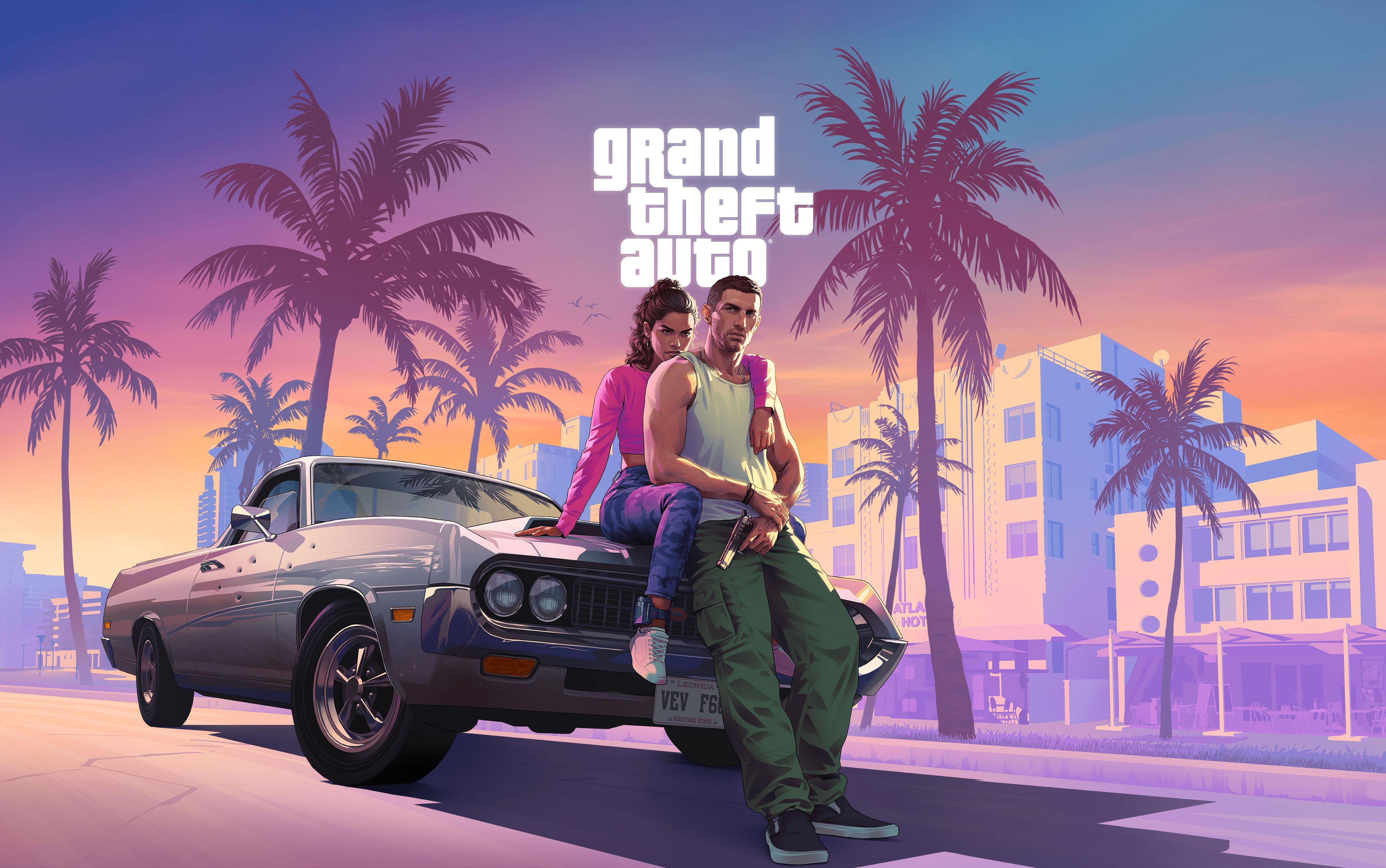
Image via Rockstar Games
It has been exactly 365 days since Rockstar Games unveiled the first trailer for Grand Theft Auto VI, and the gaming world remains suspended in a state of unprecedented anticipation. In that year of near-total silence, one staggering figure has emerged that puts the scope of this project into perspective: Take-Two Interactive CEO Strauss Zelnick has confirmed that development costs for the most anticipated game in history have reached somewhere between $1 billion and $1.5 billion. When asked about the astronomical investment, Zelnick offered a characteristically understated response: "It was expensive."
The economics of modern AAA game development have entered uncharted territory. To put GTA 6's budget into context, the most expensive video game ever made prior to this was reportedly Cyberpunk 2077, which cost CD Projekt Red approximately $316 million including marketing. Grand Theft Auto V, the current reigning champion of entertainment media with over $8 billion in lifetime revenue, was developed for roughly $265 million back in 2013. Rockstar's upcoming sequel isn't just breaking records—it's redefining what a video game budget can look like.
The question that hangs over the industry like a storm cloud is simple: can any game possibly justify such an investment? History suggests that if anyone can pull it off, it's Rockstar. GTA V has sold over 200 million copies and continues to generate substantial revenue through GTA Online more than a decade after its initial release. Red Dead Redemption 2, the studio's most recent single-player epic, moved over 60 million units despite its more niche Western setting. The Rockstar brand carries a weight that few other developers can match.
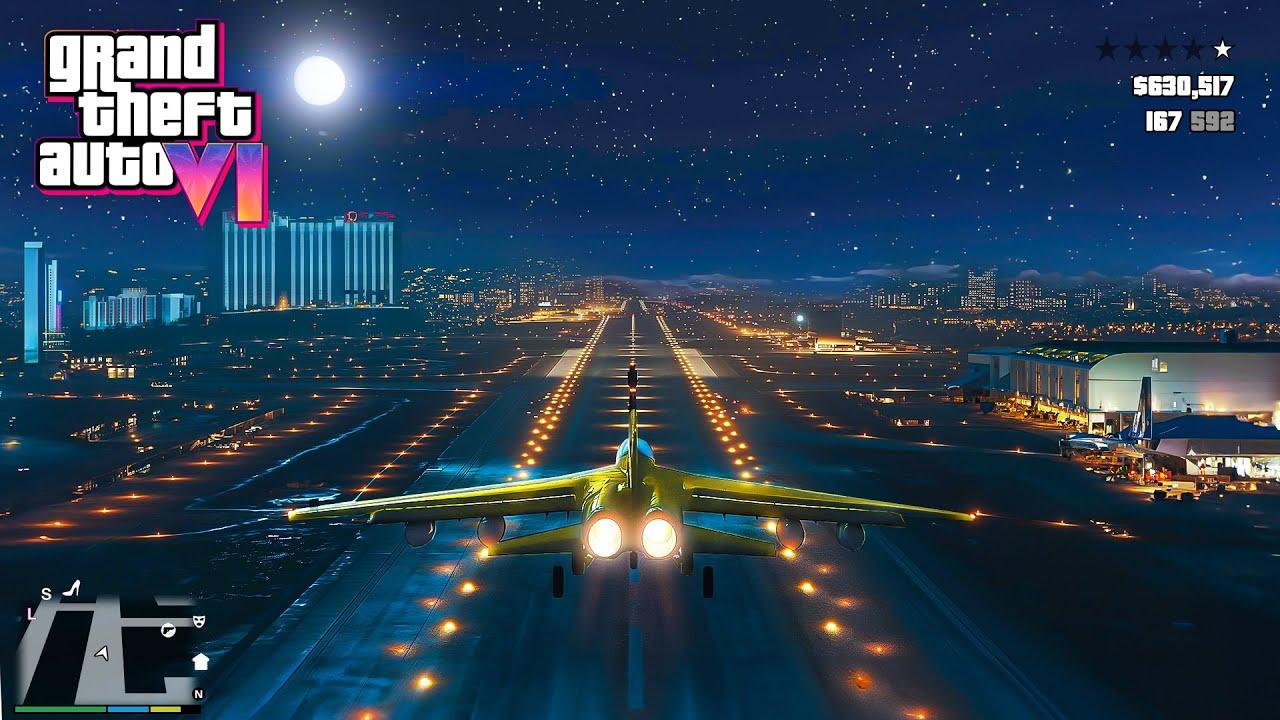
Yet the gaming landscape of 2026 looks markedly different from when GTA V launched. The industry has weathered massive layoffs, studio closures, and a broader reckoning with unsustainable development practices. Games that once would have been considered successes are now deemed failures if they don't meet increasingly unrealistic sales expectations. In this environment, betting over a billion dollars on a single title feels both audacious and terrifying.
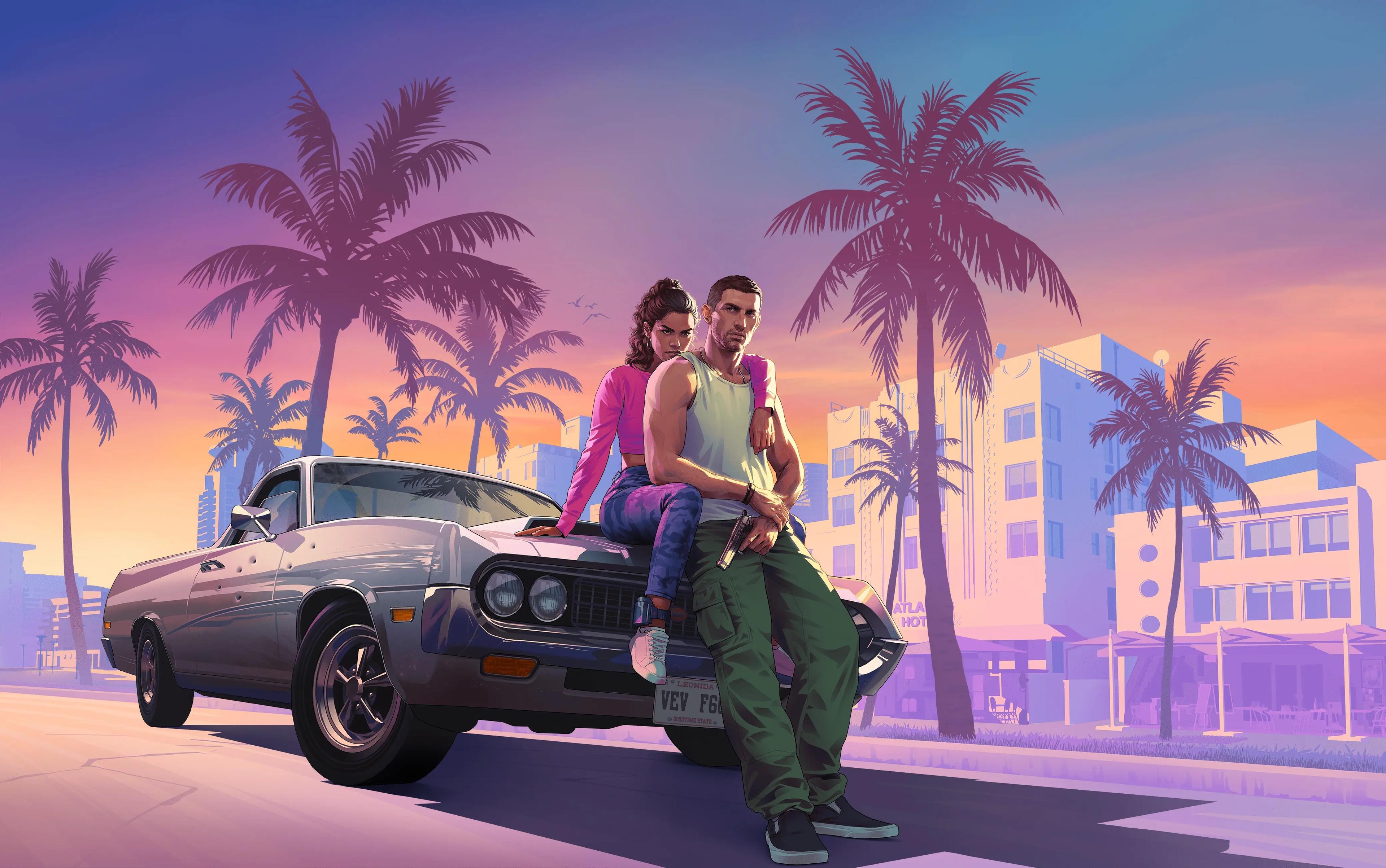
The year of silence following that explosive first trailer has only intensified speculation. Rockstar has always been notoriously secretive, but even by their standards, the information blackout has been remarkable. Fans have dissected every frame of that original trailer countless times, mapping out the fictional Leonida setting, analyzing character details for protagonists Lucia and her partner, and building elaborate theories about gameplay mechanics based on brief visual hints. Online communities have transformed speculation into an art form, with some dedicated followers tracking potential Easter eggs and hidden messages with almost religious fervor.
The pressure on Rockstar cannot be overstated. When you spend over a billion dollars on development, the margin for error becomes virtually nonexistent. The game needs to not only meet the impossibly high expectations set by its predecessor but somehow exceed them. Players expect a revolutionary leap forward in open-world design, storytelling, technical achievement, and online integration. Anything less than perfection will be viewed as a disappointment, regardless of objective quality.
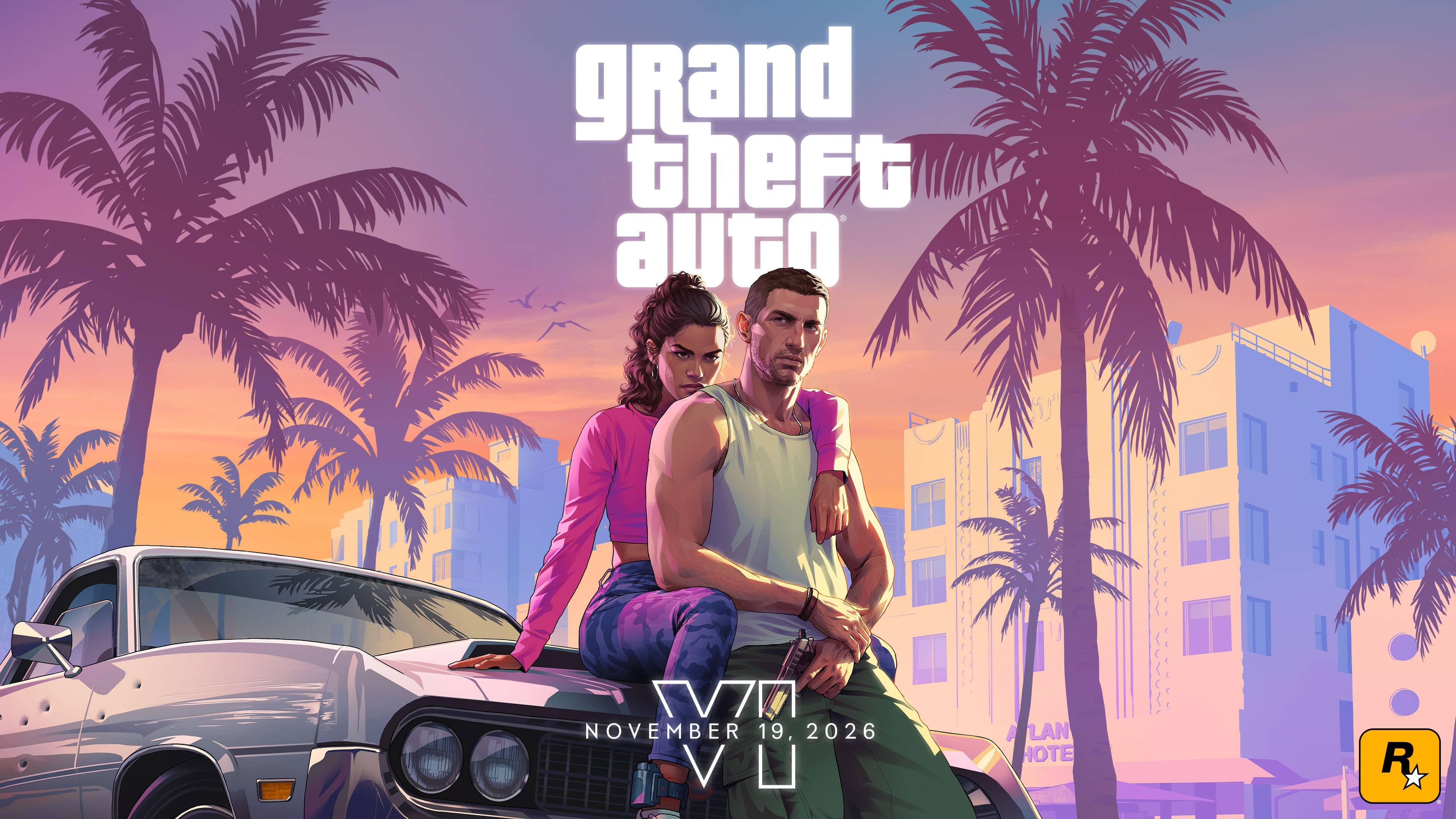
Industry analysts have attempted to calculate what kind of sales figures would be necessary to recoup such an investment. Even with premium $70 pricing, the game would need to sell tens of millions of copies just to break even on development costs alone—and that's before factoring in what will surely be an equally massive marketing campaign. The real financial strategy likely mirrors GTA V's model: use the single-player experience as a gateway to an endlessly profitable online component that can generate revenue for years or even decades.
There's also the matter of platform exclusivity and timing. With the PlayStation 5 and Xbox Series X now firmly established, and persistent rumors of mid-generation hardware refreshes, Rockstar faces decisions about where and when to release that could impact both sales and player experience. The original GTA V benefited enormously from releasing across multiple console generations, essentially selling the same game to dedicated fans two or three times over.
What remains undeniable is that GTA 6 has become more than just a game—it's become a cultural event. The first trailer broke YouTube viewing records. The mere possibility of new information sends gaming forums into overdrive. Every former Rockstar employee, every supposed leak, every corporate earnings call is analyzed for potential clues. In an era of constant content and perpetual distraction, Rockstar has somehow made waiting into an event unto itself.
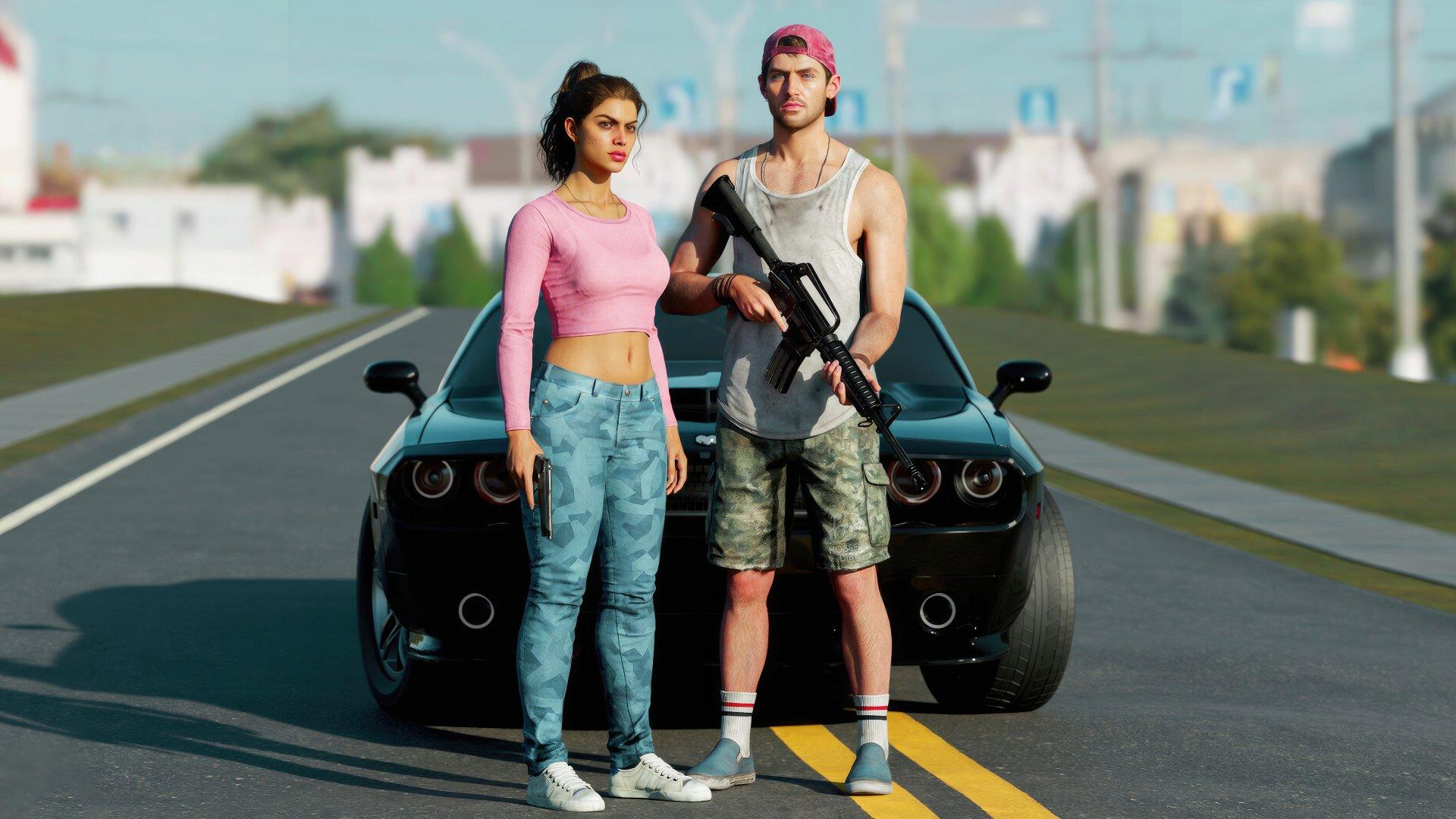
As we mark this one-year anniversary of anticipation, the gaming community finds itself in a familiar yet strange position. We know almost nothing concrete about Grand Theft Auto VI beyond what that single trailer showed us, yet we remain utterly captivated. The billion-dollar question isn't whether the game will be good—Rockstar's track record suggests it almost certainly will be. The real question is whether any piece of entertainment, no matter how polished or ambitious, can truly live up to this level of hype and investment. In approximately twelve months, we may finally have our answer.