PlayStation's Physical Disc Controversy Explodes as Marvel's Wolverine Trailer Becomes Ground Zero for Fan Frustration
18 JULY, 2026 - Marvel's Wolverine
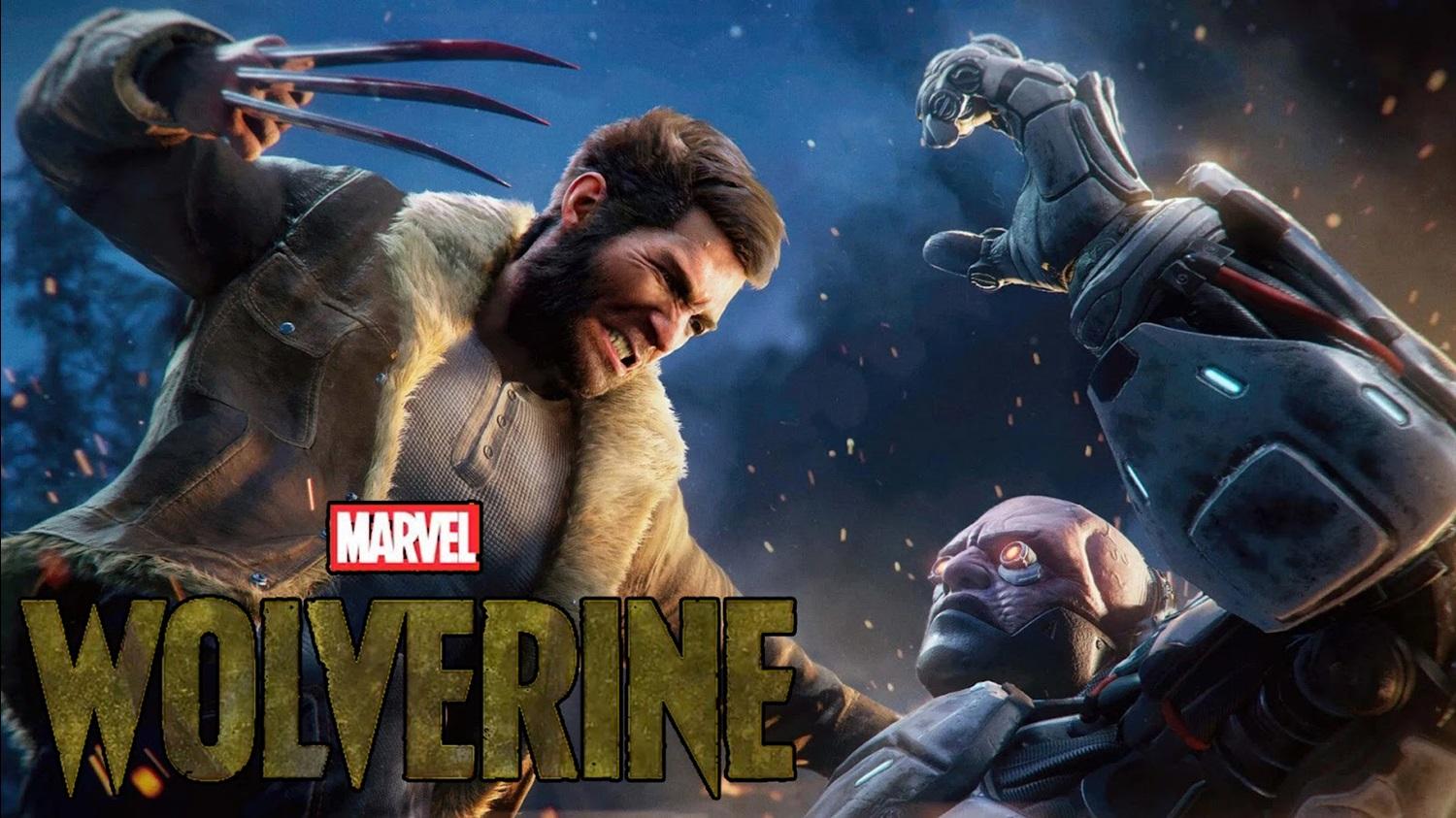
Image via Insomniac Games
What should have been a triumphant moment for Insomniac Games and PlayStation has instead become a lightning rod for one of gaming's most heated debates. The newly released trailer for Marvel's Wolverine has accumulated over 10,000 comments, but the conversation isn't about Logan's adamantium claws or the game's gritty atmosphere. Instead, fans have transformed the comment section into a battleground over PlayStation's increasingly controversial stance on physical media.
The trailer, which showcased impressive footage of the highly anticipated superhero title, should have generated excitement about combat mechanics, story details, and the potential for another Insomniac masterpiece following their acclaimed Spider-Man series. Instead, the overwhelming majority of comments focus on a single demand: the ability to purchase the game on a physical disc.
This unprecedented backlash represents the culmination of months of growing frustration within the PlayStation community. The controversy traces back to PlayStation's recent decisions regarding digital-only releases and the increasing push toward an all-digital future. For many collectors and traditionalists, the potential loss of physical media represents something far more significant than mere nostalgia.
The timing of this outcry couldn't be more pointed. Just this week, Bandai Namco and Rebel Wolves announced that Blood of Dawnwalker, the upcoming dark fantasy RPG from former CD Projekt Red developers, will receive a full physical disc release. This confirmation was met with widespread praise from the gaming community, throwing PlayStation's digital-focused strategy into sharp relief.
The arguments from physical media advocates are numerous and increasingly difficult to dismiss. Preservation concerns sit at the forefront of the debate. Digital storefronts have proven impermanent, with games regularly being delisted and becoming inaccessible to those who wish to purchase them legally. A physical disc, supporters argue, provides a tangible backup that cannot be revoked through corporate decisions or server shutdowns.
Ownership is another cornerstone of the movement. When consumers purchase a digital game, they're technically buying a license that can be revoked under certain circumstances. Physical media provides a sense of true ownership that resonates deeply with collectors and those who remember an era when buying a game meant owning it outright.
The economic argument also carries significant weight. Physical games can be resold, lent to friends, or purchased secondhand at reduced prices. The digital marketplace eliminates these options entirely, creating an ecosystem where games maintain their full price long after release and cannot be traded or shared in traditional ways.
Internet accessibility concerns add another dimension to the debate. While major metropolitan areas enjoy reliable high-speed internet, millions of gamers worldwide still struggle with data caps, slow connections, or unreliable service. For these players, downloading massive modern games measuring hundreds of gigabytes presents a genuine barrier to entry that physical media would circumvent.
The sheer volume of comments on the Wolverine trailer suggests this isn't a fringe concern. Over 10,000 responses represent a significant portion of engaged viewers, and the consistency of the message indicates coordinated frustration rather than isolated complaints. PlayStation's silence on the matter has only amplified the tension, with fans interpreting the lack of response as indifference to consumer concerns.
Industry analysts have noted that this represents a critical moment for PlayStation's relationship with its community. The company has built tremendous goodwill through exclusive titles and quality first-party releases, but that goodwill is not infinite. The physical media debate touches on fundamental questions about consumer rights and corporate respect that transcend typical gaming controversies.
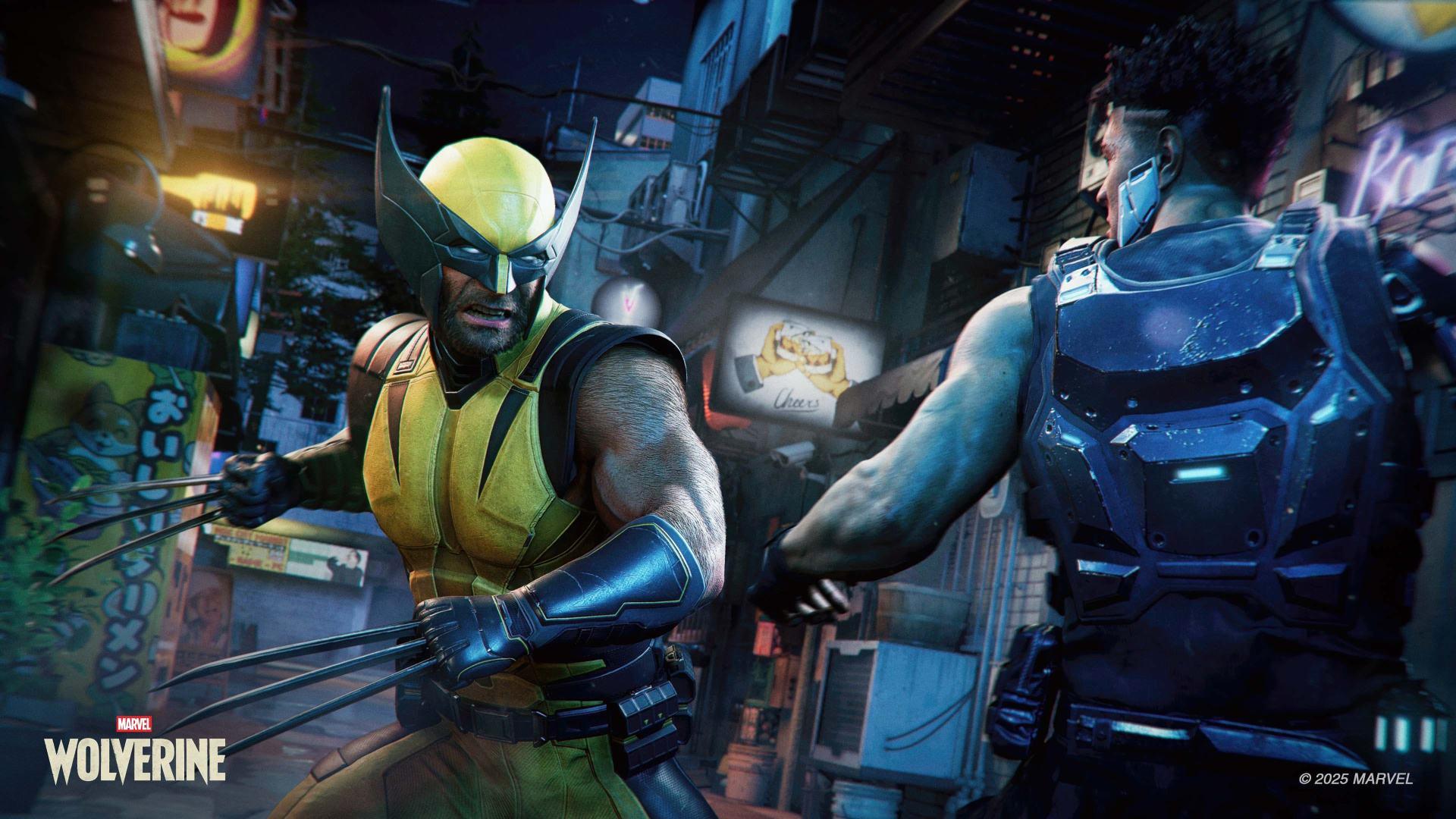
Insomniac Games finds itself in an uncomfortable position through no fault of its own. The studio's reputation for delivering exceptional superhero experiences means Marvel's Wolverine should be generating anticipation rather than serving as a platform for broader grievances. The game itself looks impressive, promising the visceral, brutal action that the character demands while presumably maintaining the narrative depth that made the Spider-Man titles so compelling.
Whether PlayStation will respond to this unprecedented feedback remains uncertain. The company could announce physical releases for its upcoming titles, potentially diffusing the controversy. Alternatively, it could maintain its current trajectory, risking further alienation of a vocal and passionate segment of its audience.

What's clear is that the gaming community has found its voice on this issue, and that voice is remarkably unified. The Wolverine trailer comment section has become a monument to consumer frustration, a digital petition demanding acknowledgment and action. Whether PlayStation chooses to listen may define its relationship with fans for years to come.
As the industry continues its gradual shift toward digital distribution, the backlash against Marvel's Wolverine's trailer serves as a powerful reminder that consumers still have expectations about how they purchase and own their games. The comment count continues to climb, and with each new addition, the message grows louder: physical media still matters, and PlayStation ignores that reality at its own peril.