Marvel's Wolverine Trailer Flooded With Comments as Physical Disc Backlash Against PlayStation Continues
18 JULY, 2026 - Marvel's Wolverine
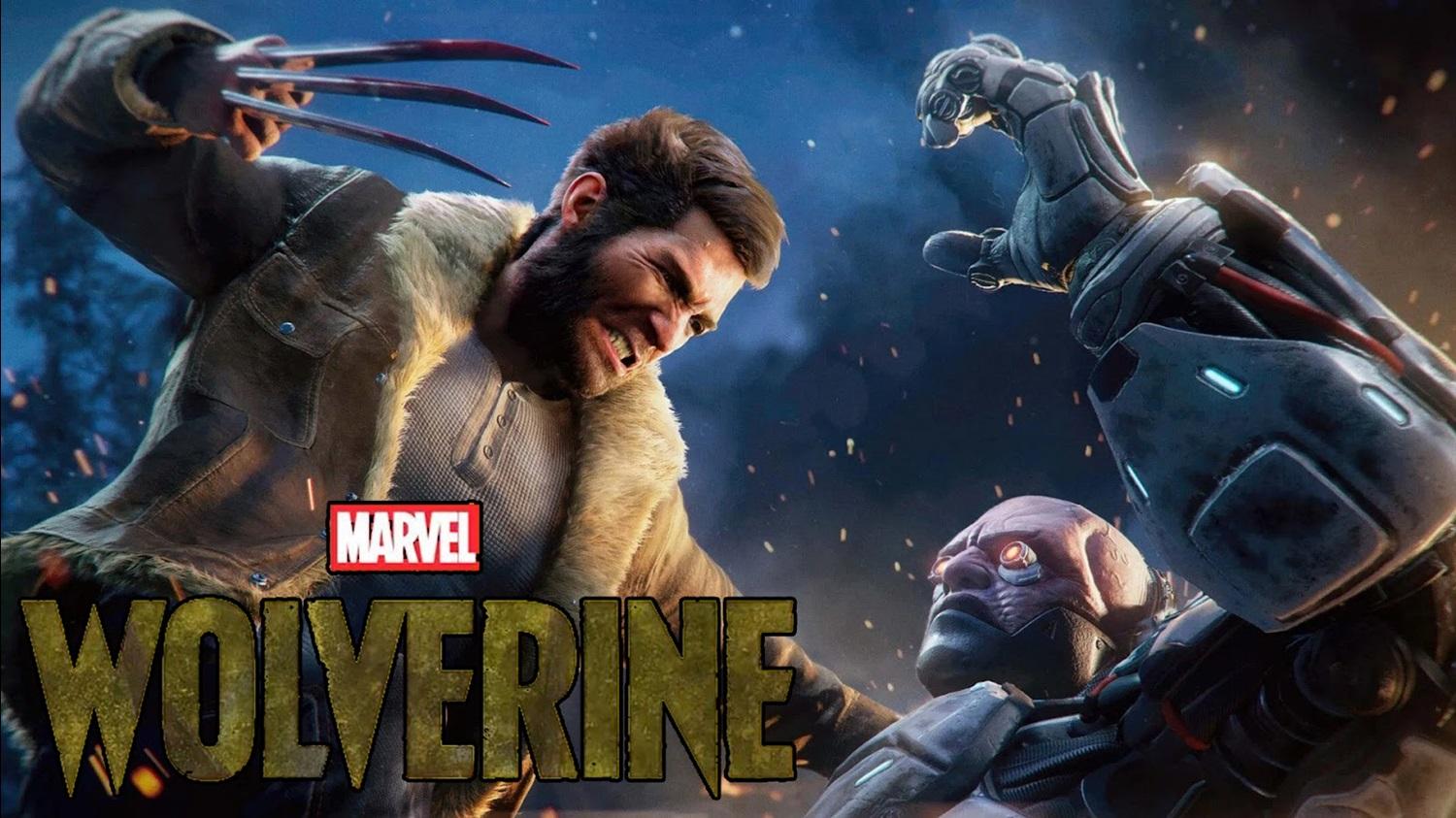
Image via Insomniac Games
When Insomniac Games unveiled fresh footage of Marvel's Wolverine earlier this month, the gaming community should have been buzzing with excitement about Logan's brutal combat mechanics, the stunning visual fidelity, or the tantalizing hints at the narrative direction. Instead, the comment sections across YouTube and social media platforms have transformed into battlegrounds for an entirely different fight—one that has nothing to do with adamantium claws and everything to do with plastic discs.
The controversy centers on PlayStation's increasingly aggressive push toward an all-digital future, a strategy that has left physical media enthusiasts feeling abandoned and betrayed. The Marvel's Wolverine trailer, which should have been a celebration of one of gaming's most anticipated upcoming titles, has instead become a lightning rod for consumer frustration that has been building for years.
Comments beneath the trailer are dominated by declarations from players vowing to skip the game entirely if it doesn't receive a physical release, demands for Sony to reverse course on its digital-first initiatives, and broader criticisms of the gaming industry's apparent determination to eliminate disc-based gaming altogether. The sentiment is clear: no matter how spectacular Wolverine looks, a significant portion of the audience is prepared to vote with their wallets on principle.
This backlash didn't emerge in a vacuum. It represents the culmination of mounting tensions that began with the PlayStation 5's launch in 2020, when Sony introduced a digital-only console variant at a lower price point. Since then, the company has made increasingly bold moves suggesting physical media's days are numbered. The redesigned PS5 models pushed the disc drive to an optional, separately purchased accessory. Rumors have persistently circulated about future PlayStation hardware potentially abandoning physical media entirely.
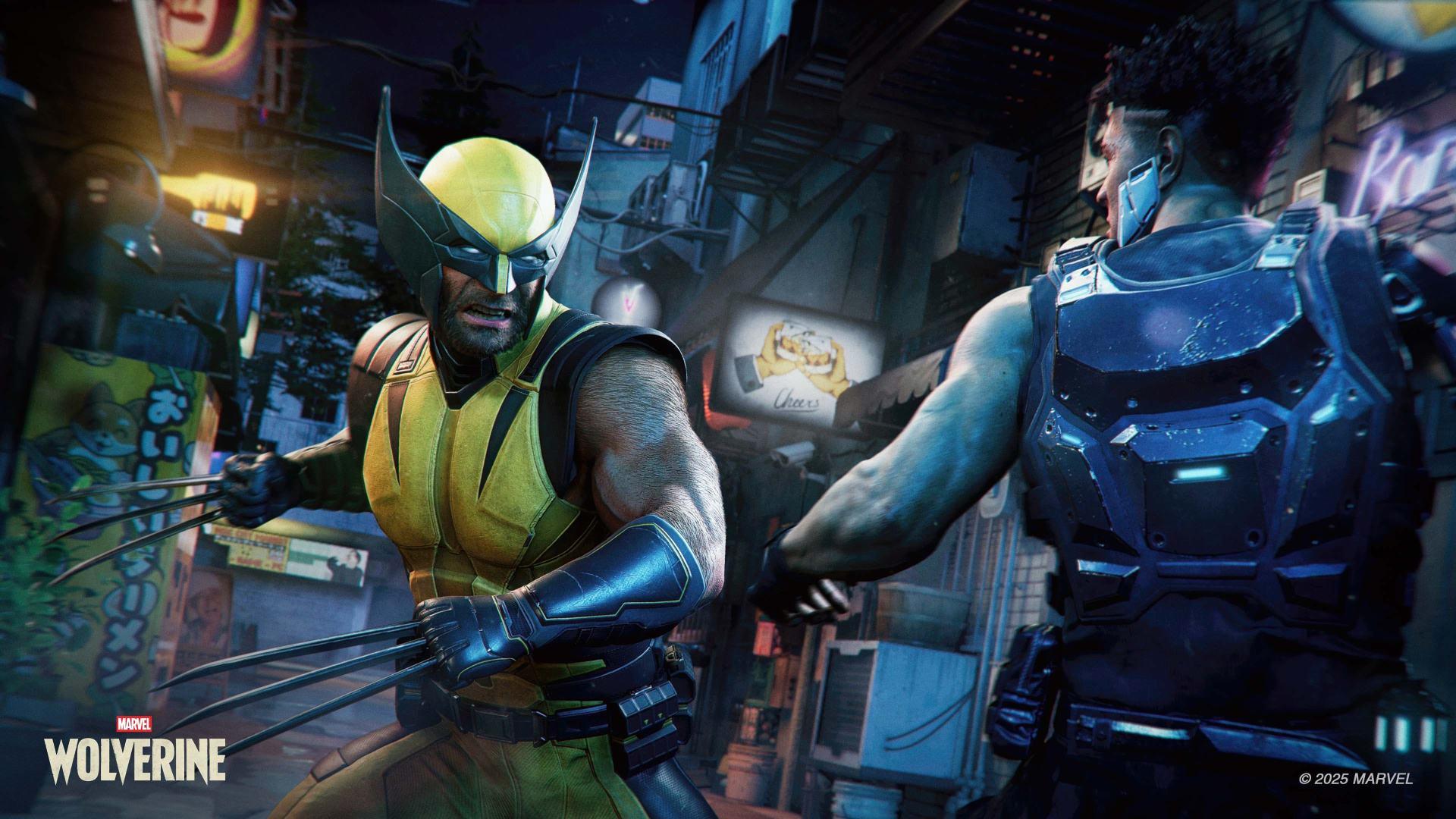
For collectors and preservationists, these developments represent an existential threat. Physical game ownership provides something digital purchases fundamentally cannot—true ownership. When you buy a disc, you possess a tangible product that cannot be revoked, delisted, or rendered inaccessible by server shutdowns. Recent high-profile incidents, including the closure of digital storefronts and the removal of purchased content from user libraries, have only intensified these concerns.
The timing of this particular flashpoint is significant. Marvel's Wolverine occupies a unique position in the current gaming landscape. Insomniac Games has established itself as perhaps Sony's most valuable first-party studio, delivering critical and commercial successes with the Spider-Man franchise. Expectations for Wolverine are astronomical, and the game carries substantial weight as a system-seller for the PlayStation 5.
That such an important title has become entangled in the physical media debate speaks volumes about how deeply this issue resonates with consumers. Players aren't simply complaining about an abstract corporate policy—they're actively signaling that their purchasing decisions will be influenced by factors beyond gameplay quality and critical reception.
Sony has remained characteristically silent on the matter, neither confirming nor denying specific plans for Marvel's Wolverine's release format. This silence has only fueled speculation and frustration. In an era when transparency and community engagement are increasingly valued, the company's reluctance to address consumer concerns directly has amplified the negative sentiment.
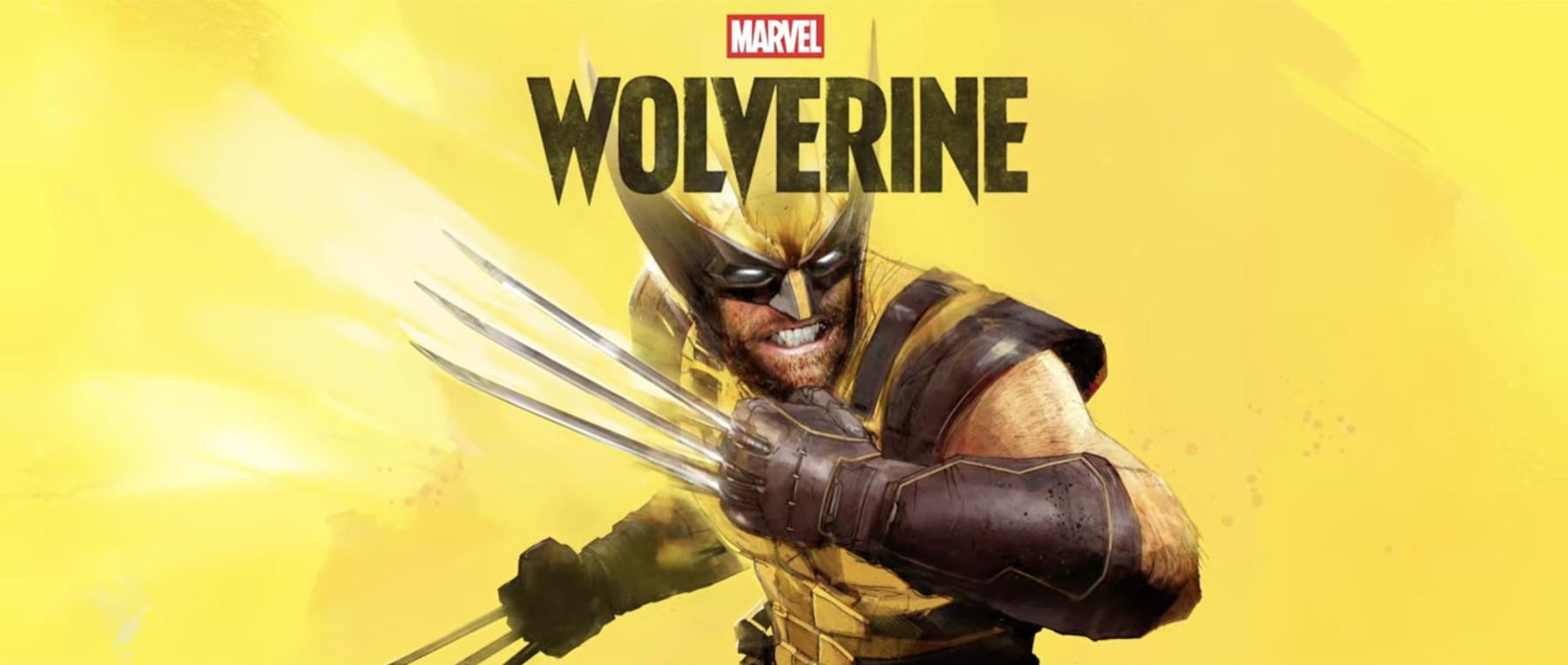
The broader implications extend beyond any single game. If the backlash against Marvel's Wolverine proves substantial enough to impact sales or generate sustained negative press, it could force Sony to reconsider its digital-first trajectory. Conversely, if the game achieves massive commercial success regardless of the controversy, it might embolden further moves away from physical media.
Industry analysts have noted that digital sales have been steadily increasing across all platforms for years, a trend that accelerated during the pandemic. From a business perspective, digital distribution offers higher profit margins, eliminates manufacturing and shipping costs, and provides valuable data about consumer behavior. The incentives for platform holders to push toward all-digital ecosystems are substantial.
Yet the passion evident in the Wolverine trailer's comment section suggests that physical media supporters represent a vocal and potentially economically significant demographic. These aren't casual complaints—they're organized expressions of consumer advocacy, complete with hashtags, coordinated messaging, and explicit calls to action.
What happens next will depend largely on whether this digital resistance can translate online frustration into meaningful market impact. Previous consumer campaigns against industry practices have achieved mixed results, from the successful pushback against Xbox One's original always-online requirements to the less successful attempts to prevent microtransaction proliferation.

For now, Marvel's Wolverine remains one of the most anticipated games on the horizon, its eventual release date still unannounced. When Logan finally unsheathes his claws on PlayStation 5, the conversation should be about whether Insomniac has delivered another masterpiece. Instead, the discourse surrounding one of gaming's most beloved characters has become inextricably linked to questions about ownership, preservation, and the future of how we consume interactive entertainment.
The adamantium-laced mutant has faced countless enemies across decades of comic books, films, and video games. This time, the most formidable opponent might be an industry trend that even healing factors cannot overcome.