Xbox at a Crossroads: Microsoft Accelerates Flagship Franchises While Spinning Off Gaming Division Remains an Option
14 JUNE, 2026
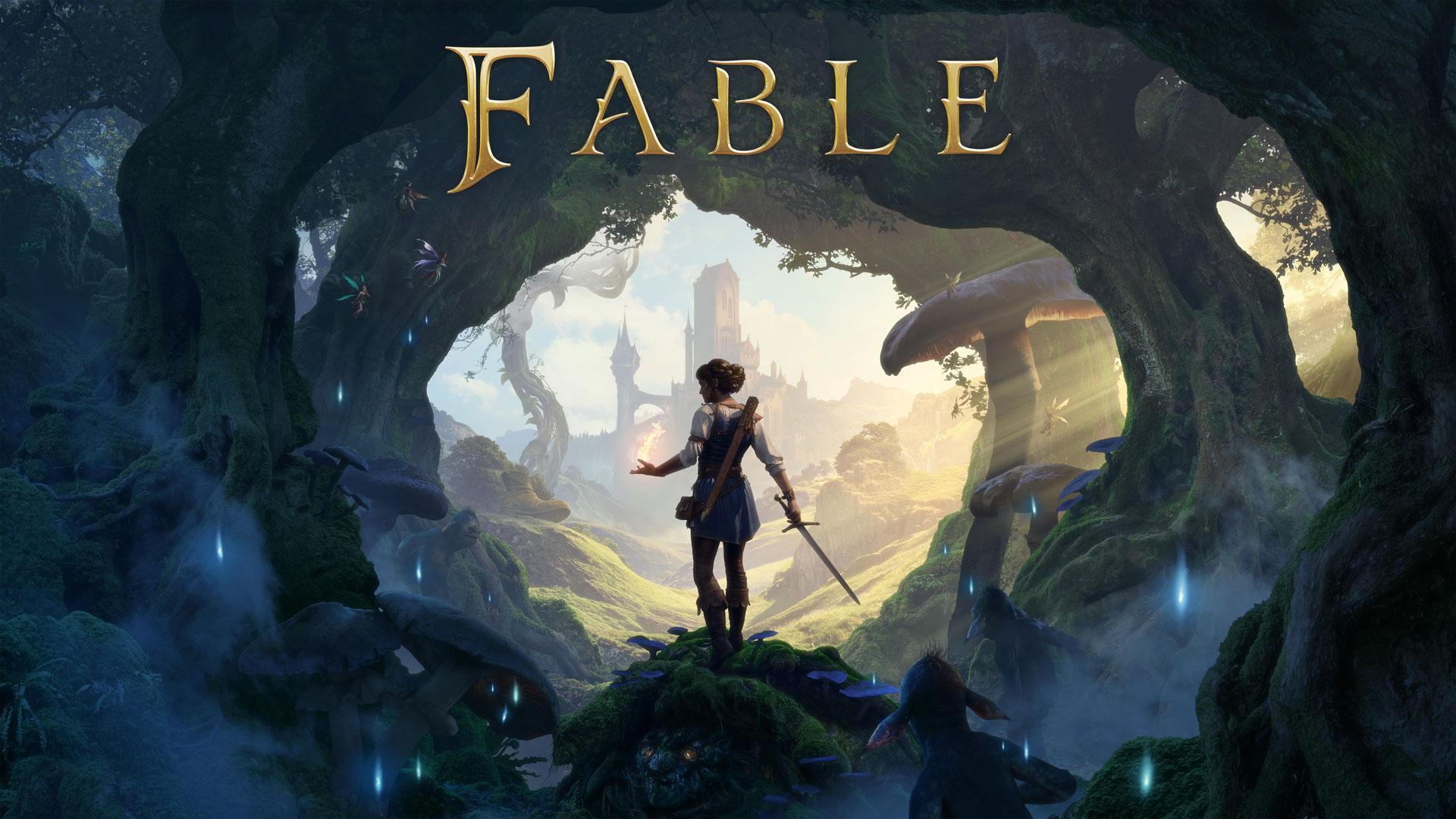
Image via Microsoft
The gaming industry was rocked this week by reports that Microsoft is considering a dramatic restructuring of its Xbox division, potentially transforming it into a wholly-owned subsidiary while simultaneously pushing to accelerate the release of major first-party titles including the next entries in the Halo, Fallout, and Elder Scrolls franchises. The news represents one of the most significant potential shifts in Xbox's corporate structure since Microsoft entered the gaming market over two decades ago.
According to multiple reports, Xbox CEO Phil Spencer and Microsoft leadership are exploring ways to give the gaming division more operational independence while maintaining ownership. This restructuring would theoretically allow Xbox to operate with greater agility in an increasingly competitive market, free from some of the bureaucratic constraints that come with being a division of one of the world's largest technology companies. Perhaps most intriguingly, sources indicate that the option of spinning off Xbox entirely has not been completely dismissed, though it remains far from a primary consideration at this time.
The pressure on Xbox has been mounting for years. Despite the landmark acquisition of Activision Blizzard for nearly seventy billion dollars in 2023, the platform has struggled to compete with Sony's PlayStation in terms of console sales and exclusive software momentum. While Xbox Game Pass continues to grow as a service, the lack of consistent blockbuster releases from Microsoft's extensive stable of studios has become a recurring criticism from fans and analysts alike.

The reported push to speed up development on flagship franchises speaks directly to this concern. Halo, once the crown jewel of Xbox exclusives, has been in a precarious position since the troubled launch of Halo Infinite in 2021. While the game eventually found its footing, developer 343 Industries underwent significant layoffs and restructuring in subsequent years. A faster path to the next Halo title could help reinvigorate a franchise that defined Xbox for generations of players.
Similarly, the Fallout franchise is experiencing a renaissance of interest following the massive success of the Amazon Prime Video adaptation. The timing could not be better for Bethesda to capitalize on this renewed enthusiasm, yet Fallout 5 remains years away by most estimates, with the studio currently focused on post-launch support for Starfield and the long-awaited Elder Scrolls 6. Any acceleration of these projects would require significant resource allocation and potentially fundamental changes to Bethesda's famously methodical development approach.
The subsidiary restructuring option presents both opportunities and challenges. Operating as a separate entity could allow Xbox to make faster decisions, pursue partnerships more freely, and potentially even release games on competing platforms without the corporate optics that currently accompany such moves. Microsoft has already begun releasing former Xbox exclusives on PlayStation and Nintendo platforms, a strategy that has proven financially successful but philosophically contentious among the Xbox faithful.

However, skeptics note that structural changes alone do not solve fundamental development challenges. Games take years to create, and no amount of corporate reorganization can instantly produce the caliber of exclusive experiences that have historically driven console adoption. The industry is littered with examples of publishers pushing for faster development cycles only to release undercooked products that damage brand reputation and consumer trust.
Industry analysts have offered mixed reactions to the news. Some view the potential restructuring as a pragmatic response to market realities, arguing that Xbox needs operational flexibility to compete effectively against Sony and the increasingly assertive Nintendo. Others express concern that pressure to accelerate releases could compromise the quality that fans expect from these beloved franchises.
The implications extend beyond Xbox itself. Microsoft's gaming division employs thousands of people across dozens of studios worldwide. Any significant restructuring would inevitably affect these workers, potentially through relocated offices, merged teams, or unfortunately, additional layoffs in an industry that has already seen unprecedented job losses over the past two years.
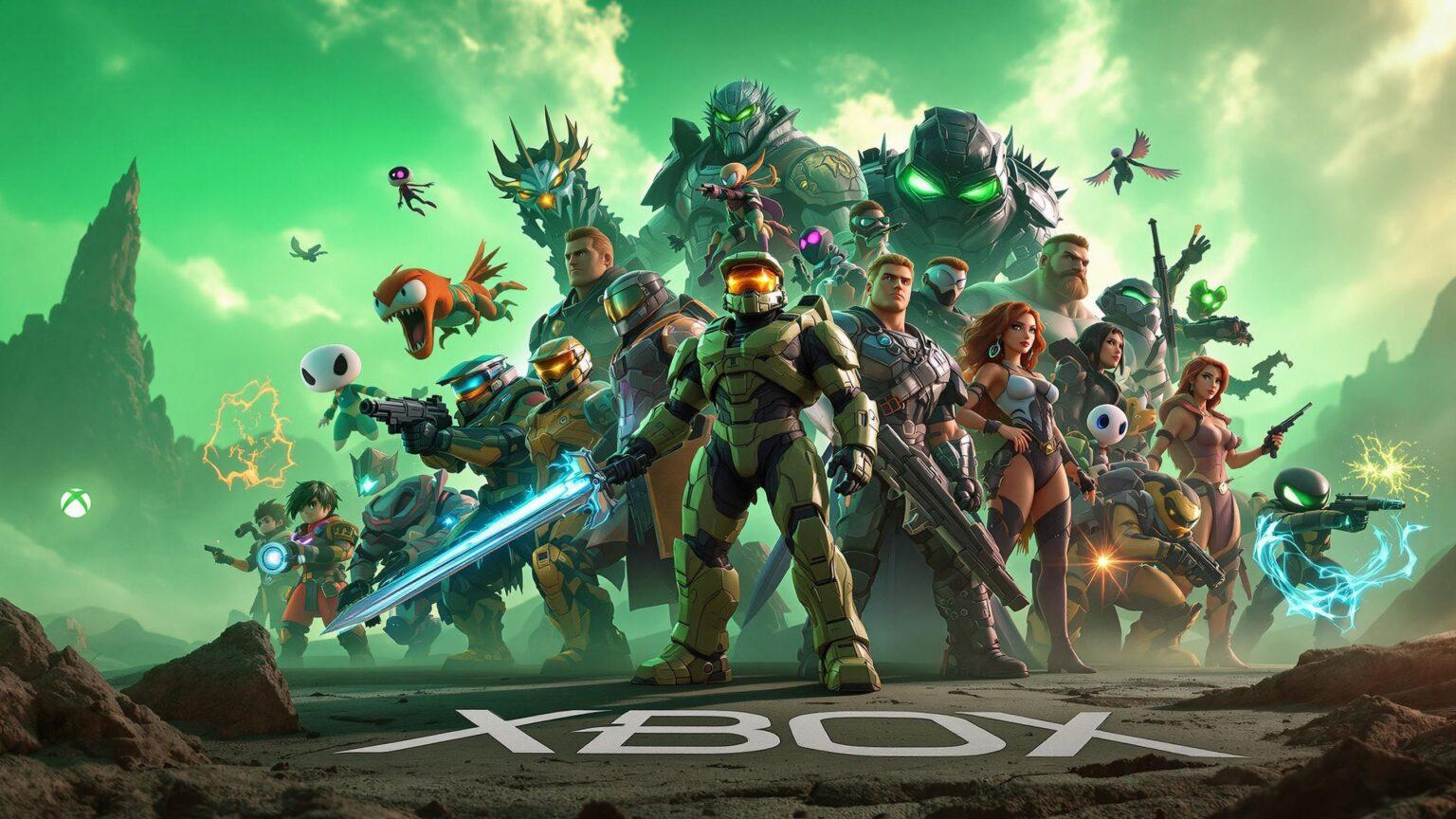
For consumers, the immediate impact remains unclear. Game Pass subscribers will likely continue receiving day-one access to Microsoft first-party releases regardless of corporate structure. The more pressing question is whether accelerated development timelines will result in games that meet the high expectations attached to these legendary franchises.
The gaming landscape has shifted dramatically since Microsoft launched the original Xbox in 2001. The company that once positioned itself as the premier destination for hardcore gamers now finds itself at an inflection point, forced to balance its identity as a platform holder against the economic realities of modern game development and distribution. Whether restructuring as a subsidiary or maintaining the status quo, Xbox's path forward will require navigating these tensions with care.
As this story develops, gamers worldwide will be watching closely. The decisions made in Redmond over the coming months could reshape not just Xbox, but the entire competitive dynamics of the console market for years to come. One thing is certain: the era of Xbox as we have known it is evolving, and the industry is holding its breath to see what emerges.