Physical Media Fights Back: Blood of Dawnwalker Disc Confirmation Reignites Industry Debate Amid PlayStation Controversy
18 JULY, 2026 - The Blood Of Dawnwalker
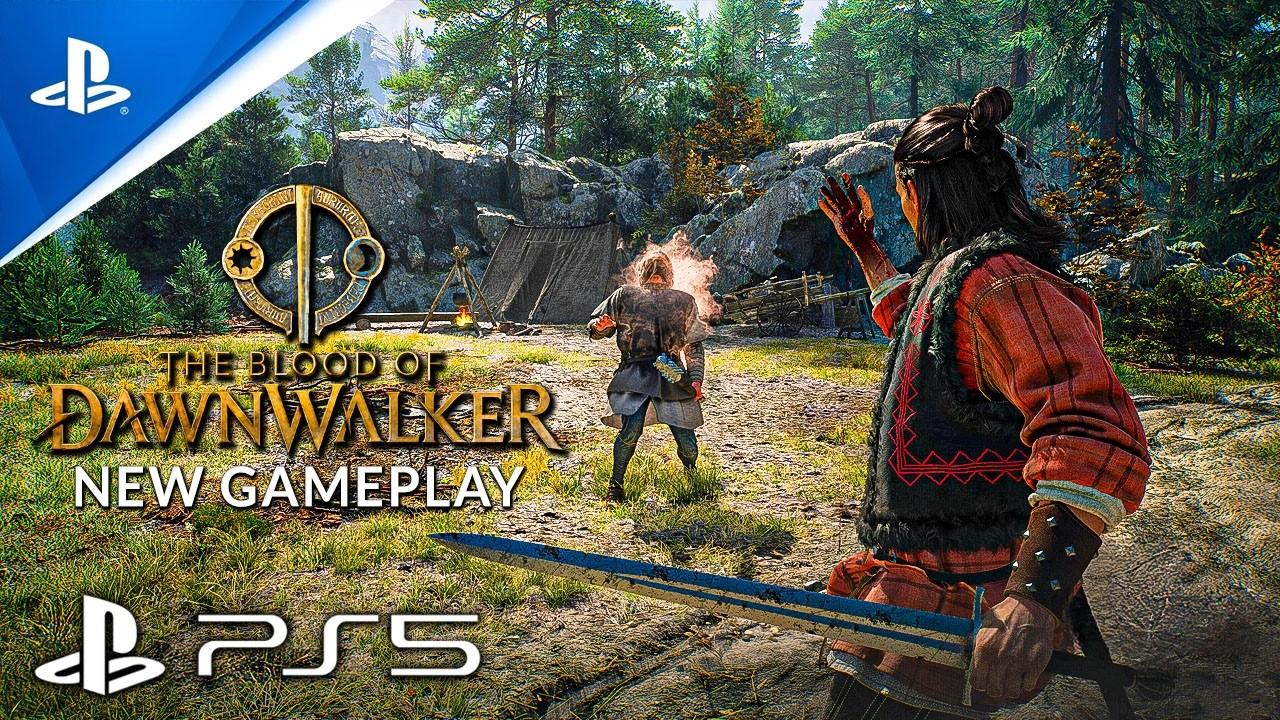
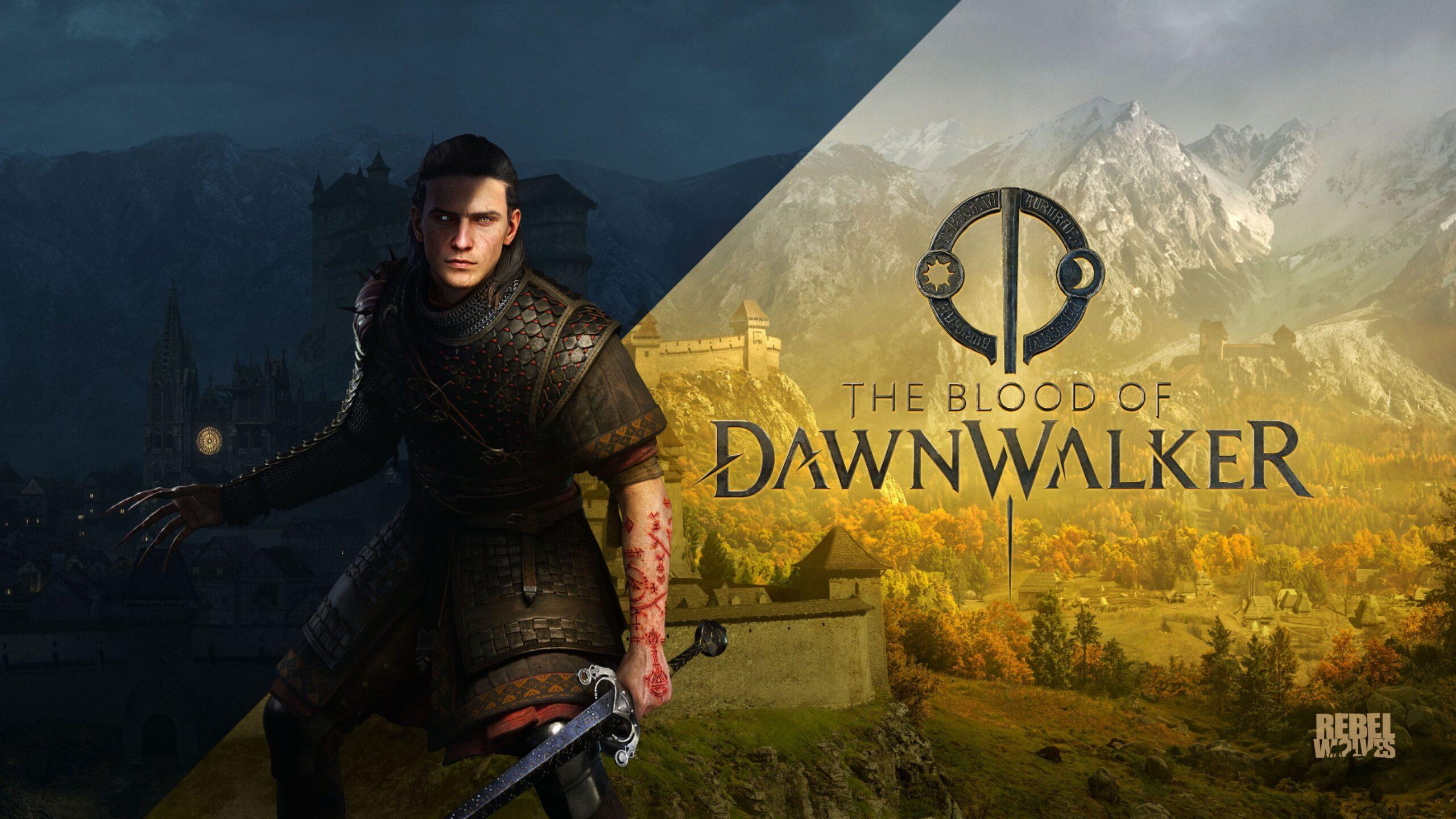
Image via Rebel Wolves
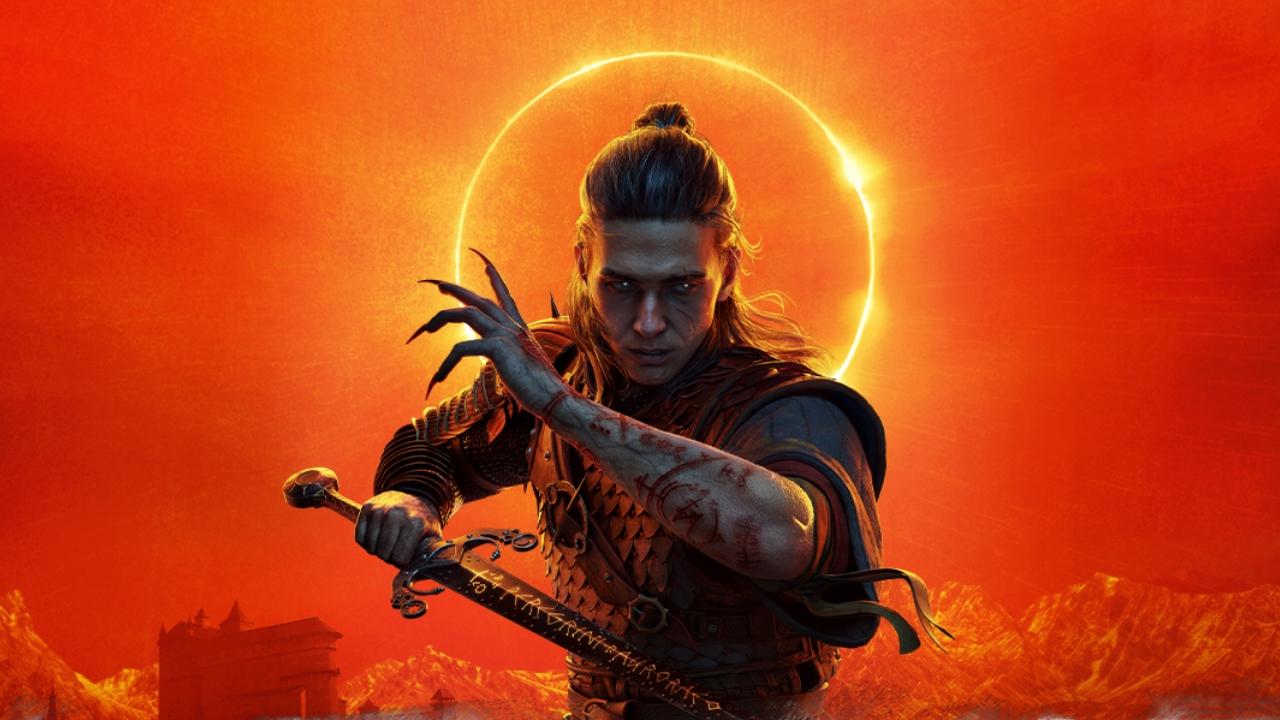
In an era where digital distribution has become the default for most gamers, a single announcement from Bandai Namco and Rebel Wolves has sent ripples through the gaming community. The confirmation that Blood of Dawnwalker, the highly anticipated dark fantasy RPG from the studio founded by former CD Projekt Red developers, will receive a full physical disc release has become a lightning rod for the ongoing debate about game ownership and preservation.
The timing of this announcement could not be more significant. Just days ago, PlayStation found itself embroiled in yet another wave of backlash following the release of the Marvel's Wolverine trailer, with comment sections flooded by fans demanding a return to physical media options. The convergence of these two stories has created a perfect storm that highlights one of the most contentious issues facing the gaming industry today.
Rebel Wolves Stakes Its Claim
For Rebel Wolves, the decision to commit to physical disc distribution represents more than just a business strategy. It is a statement of intent from a studio that has positioned itself as a champion of player-friendly practices. Founded by Konrad Tomaszkiewicz, the former game director of The Witcher 3: Wild Hunt, the studio has consistently emphasized its commitment to delivering complete, polished experiences that respect both players and their investments.
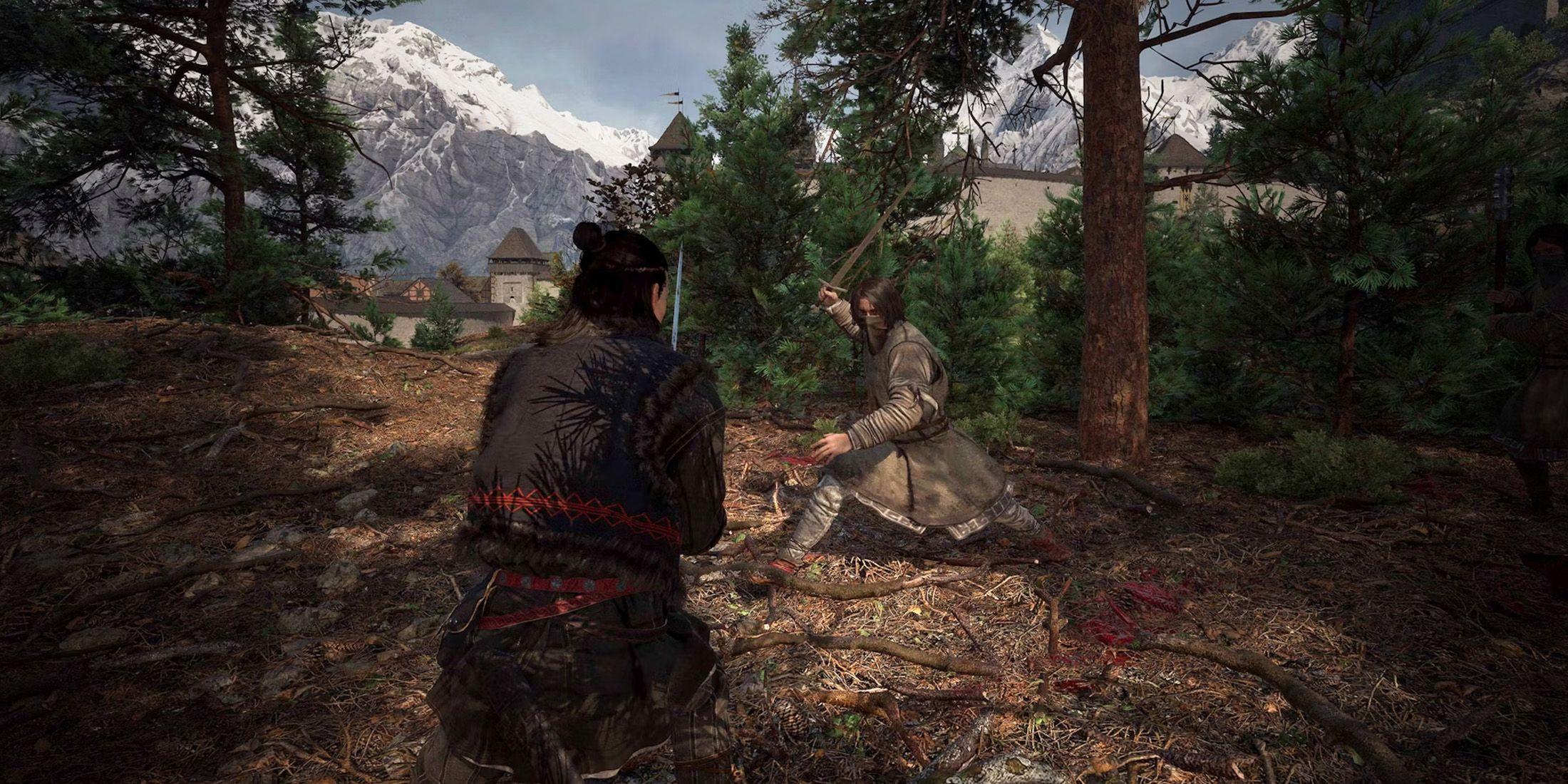
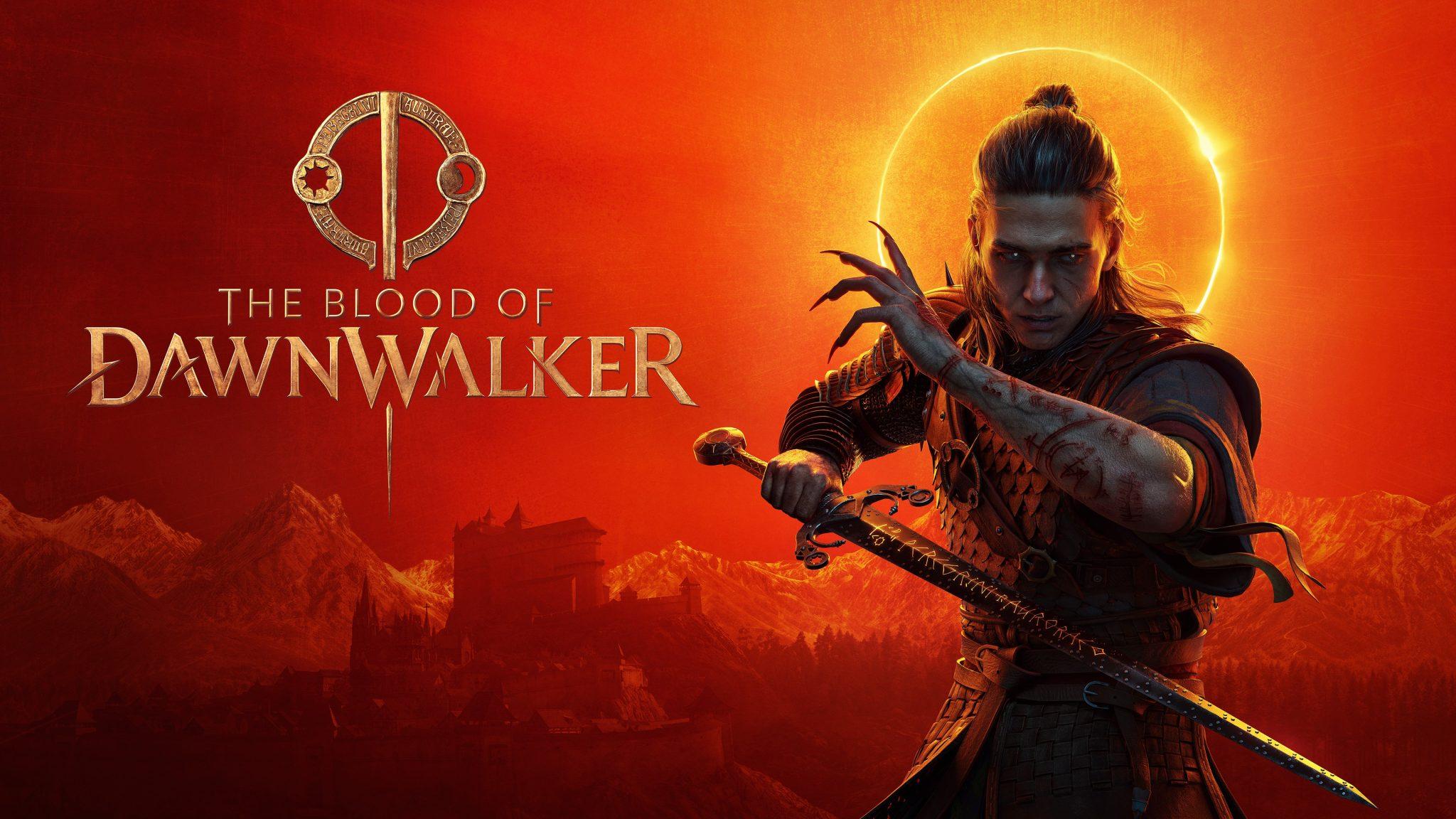
Blood of Dawnwalker, set in a dark medieval world where supernatural horrors lurk beneath a veneer of political intrigue, has already generated substantial buzz since its initial reveal. The game promises to blend the narrative depth that defined CD Projekt Red's finest work with fresh mechanical innovations. Now, with Bandai Namco's backing ensuring a proper physical release, the title has become something of a standard-bearer for those who believe game ownership should mean more than a license that can be revoked at any moment.
The Wolverine Effect
The contrast with PlayStation's current situation could not be more stark. Insomniac Games' Marvel's Wolverine, one of the most anticipated PlayStation exclusives on the horizon, has become an unlikely battleground for consumer advocacy. Every new piece of marketing material released for the game is immediately met with comments demanding clarity on physical release options, disc requirements, and whether players will truly own their purchase.
This backlash has been building for years, but recent events have brought it to a boiling point. The industry has witnessed several high-profile instances of digital games becoming inaccessible, whether through store closures, licensing disputes, or simply publishers deciding to delist titles. Each incident adds fuel to a fire that shows no signs of diminishing.
A Broader Cultural Moment
What makes the Blood of Dawnwalker announcement particularly resonant is that it arrives during a period of genuine uncertainty about the future of physical media across all entertainment sectors. The film industry has seen similar debates as streaming services remove content without warning and physical media production continues to decline. Music went through this transition years ago, and many collectors now treasure their vinyl records as artifacts of a different era.
Gaming, however, occupies a unique position in this landscape. Unlike passive media such as films or music, games are interactive experiences that require specific hardware and software configurations to function. A physical disc provides a tangible backup against the ever-present threat of servers going dark, patches being removed, or entire storefronts ceasing to exist. For preservation-minded gamers and collectors, this matters enormously.
Industry Response
Publishers have taken varied approaches to this growing concern. Some have doubled down on digital-only strategies, citing reduced manufacturing costs, environmental considerations, and the convenience of immediate downloads. Others, like Bandai Namco in this case, have recognized that a significant portion of their audience places genuine value on physical ownership.
The success of limited physical release companies like Limited Run Games demonstrates that demand for tangible copies remains robust, even for titles that initially launched as digital exclusives. These companies have built entire business models around the premise that gamers will pay premium prices for the privilege of owning something real.
Looking Forward
As Blood of Dawnwalker continues its development journey toward an eventual release, its physical disc confirmation will likely serve as a benchmark against which other major releases are measured. Every AAA title announcement will face questions about physical availability, and publishers will need to provide clear answers or face the kind of sustained criticism currently plaguing PlayStation's marketing efforts.
The gaming community has spoken with remarkable clarity on this issue. They want to own their games, not merely rent access to them at the pleasure of corporate entities. Rebel Wolves and Bandai Namco have heard that message and responded accordingly. Whether the rest of the industry follows suit may well determine the shape of gaming commerce for the next generation.
For now, Blood of Dawnwalker stands as proof that physical media advocacy can influence major publishing decisions. In an industry often criticized for ignoring consumer feedback, that alone represents a significant victory worth celebrating.