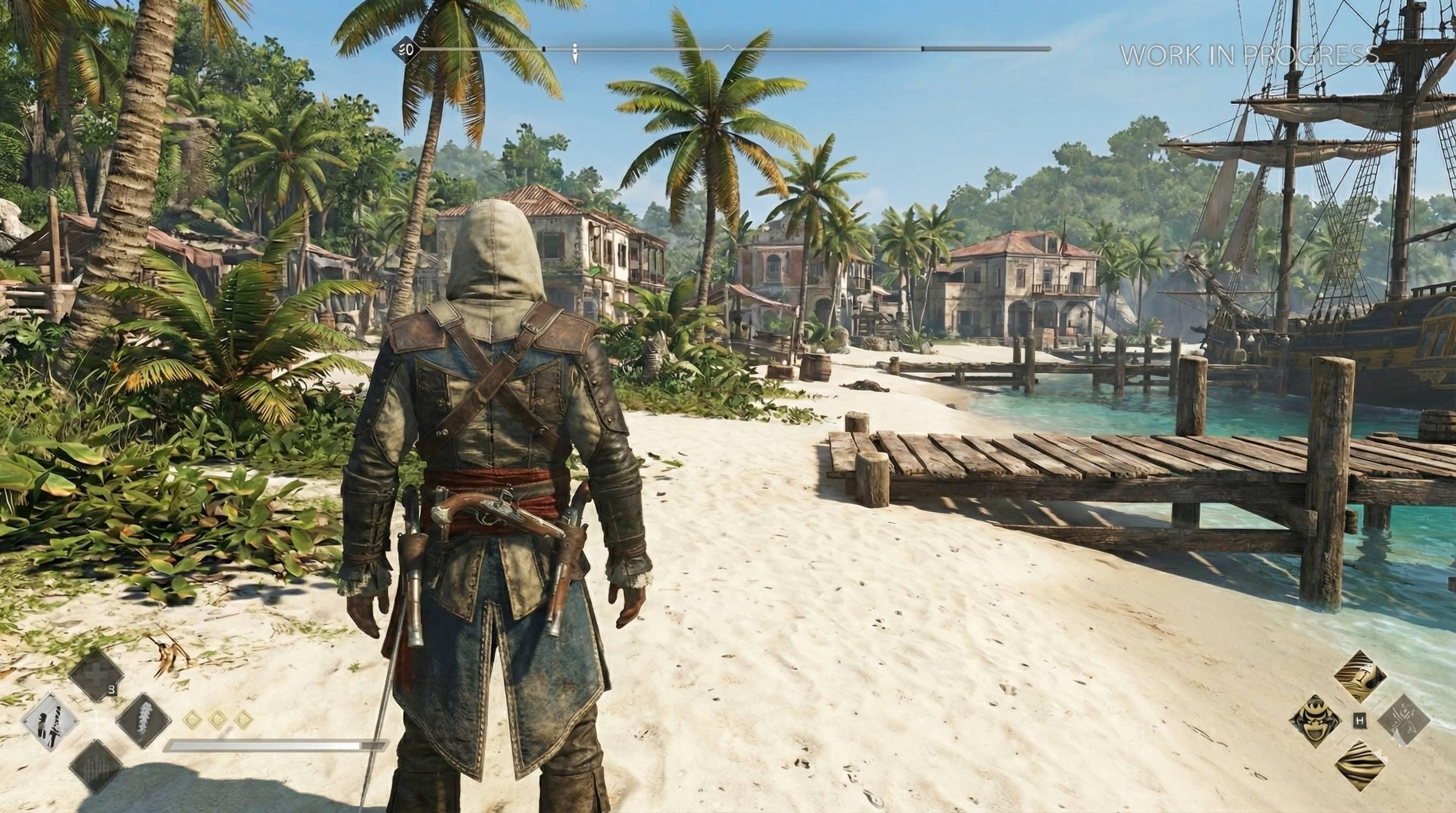
Blood, Sweat, and Sea Shanties: Assassin's Creed Black Flag Remake Developers Promise Gore After Fan Backlash
24 APRIL, 2026 - AssassinâÂÂs Creed IV: Black Flag
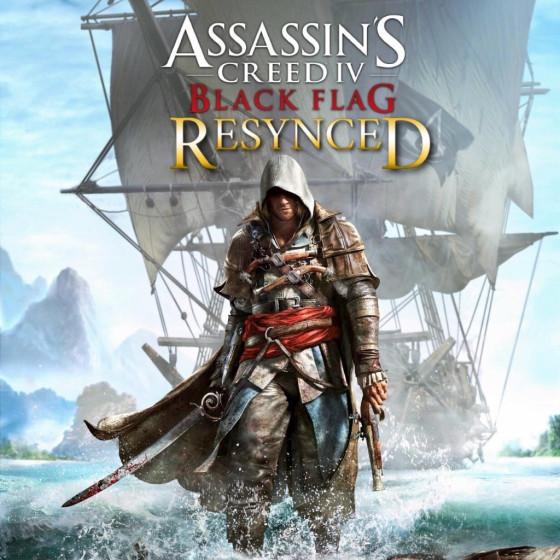
Image via Ubisoft Singapore
When Ubisoft announced that Assassin's Creed IV: Black Flag would be receiving a full-fledged remake, fans of the beloved 2013 pirate adventure collectively held their breath. The original game remains one of the most cherished entries in the long-running franchise, praised for its open-world naval exploration, memorable protagonist Edward Kenway, and an atmosphere that perfectly captured the brutal romanticism of the Golden Age of Piracy. Now, after recent gameplay footage sparked concern among the community, the development team has been forced to address one particularly sharp criticism: the apparent absence of blood.
The response from Ubisoft Singapore has been swift and unequivocal. In a statement that has quickly circulated across gaming forums and social media platforms, the developers confirmed that the final version of Assassin's Creed: Black Flag Resynced will indeed feature blood and that it will absolutely not be locked behind paid downloadable content. The clarification comes after early preview footage showed combat sequences that appeared noticeably sanitized compared to the original game, prompting an immediate wave of criticism from fans who felt the remake was softening the edges of what was, at its core, a story about pirates, assassins, and the violent world they inhabited.
The controversy highlights a growing tension in the gaming industry between modernizing beloved classics and preserving the elements that made them special in the first place. Black Flag's original release was rated M for Mature, and its depiction of naval warfare, sword fighting, and assassination missions never shied away from showing the consequences of violence. For many players, this grittiness was essential to the game's identity and its narrative about a man navigating a world of moral ambiguity.
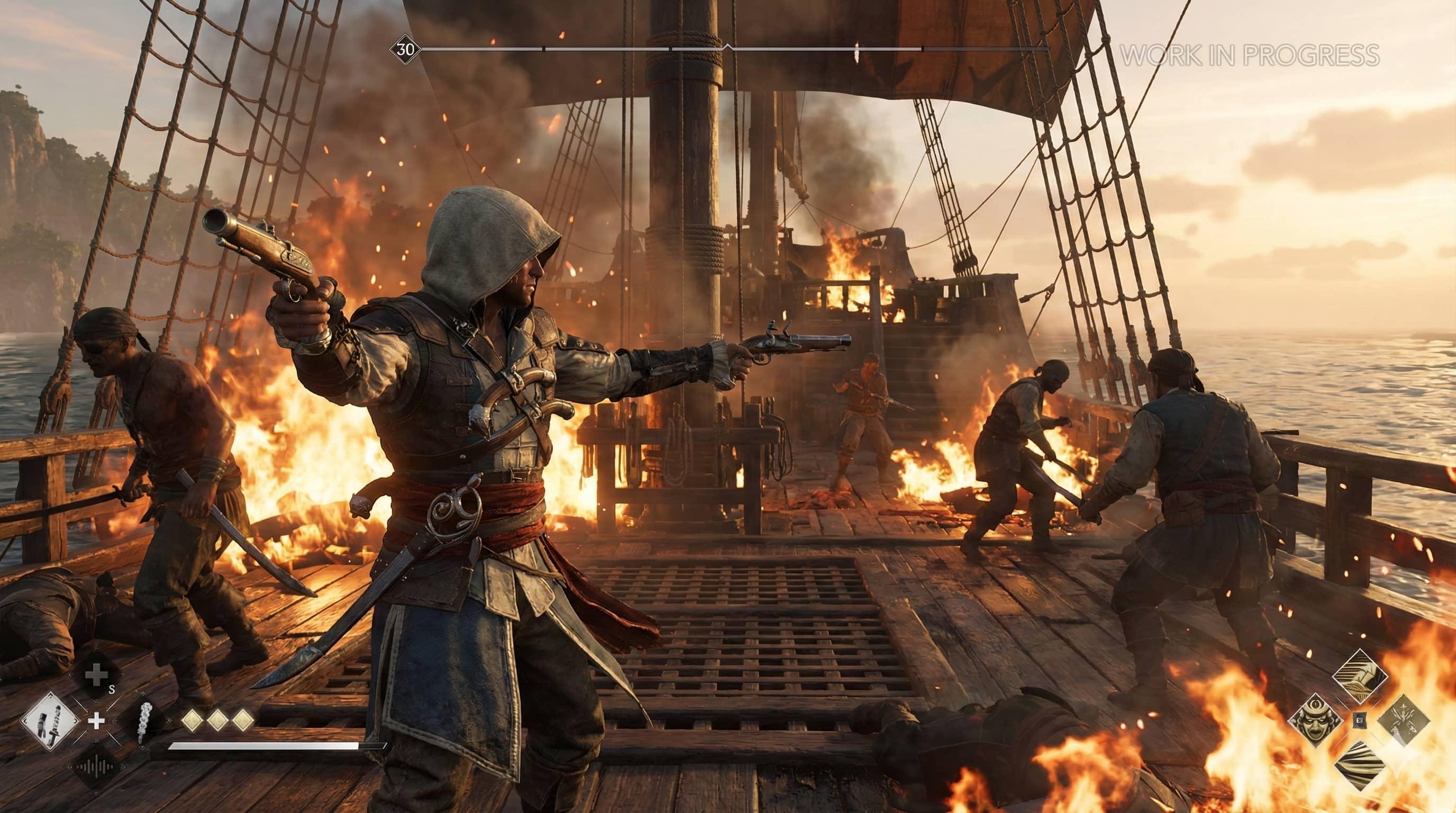
The developer response represents a notable shift in how studios are engaging with fan feedback during the pre-release period. Rather than remaining silent or offering corporate non-answers, the Black Flag Resynced team chose to address the concern directly and with a touch of humor, acknowledging that yes, pirates were indeed a bloody bunch, and the game would reflect that reality. The explicit mention that blood would not be sold as DLC also speaks to ongoing industry anxieties about content being stripped from base games only to be resold later, a practice that has drawn significant criticism in recent years.
This direct communication strategy appears to be part of a broader effort to rebuild trust with a fanbase that has grown increasingly skeptical of remakes and remasters. The gaming landscape is littered with examples of beloved titles receiving updated versions that failed to capture what made the originals special, whether through unnecessary changes, technical issues, or a fundamental misunderstanding of what players actually wanted. By getting ahead of the controversy and making firm commitments about the final product, Ubisoft Singapore seems to be taking a different approach.
The timing of this reassurance is particularly significant given the current state of the Assassin's Creed franchise. After the divisive reception of recent entries and ongoing debates about the series' direction, Black Flag Resynced represents an opportunity for Ubisoft to remind players why they fell in love with the franchise in the first place. Edward Kenway's journey from selfish pirate to reluctant Assassin remains one of the series' most compelling character arcs, and the game's Caribbean setting offered a refreshing change of pace from the urban environments that had defined earlier entries.
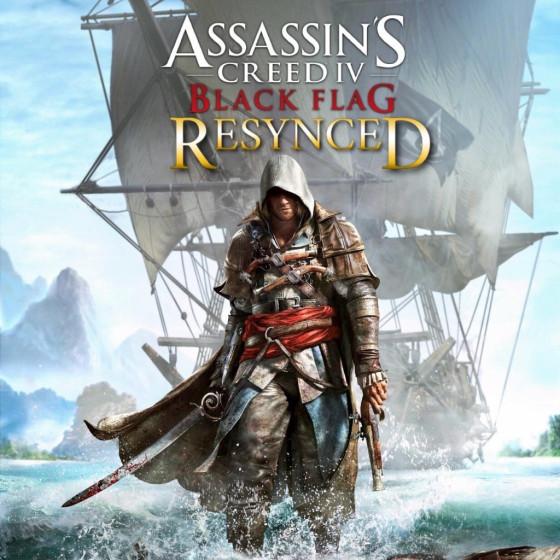
Beyond the blood controversy, anticipation for the remake has been building steadily. The recent announcement of a companion art book from Titan Books titled The Art of Assassin's Creed: Black Flag Resynced suggests that the project is being treated as a major release deserving of the full prestige treatment. Art books of this nature are typically reserved for significant launches, indicating that both Ubisoft and its publishing partners see this remake as a flagship title rather than a quick cash-in on nostalgia.
What remains to be seen is whether the final product will satisfy fans who have been burned before. The promise of blood is one thing, but a successful remake of Black Flag will need to deliver on multiple fronts. The naval combat that defined the original experience must feel both familiar and enhanced. The open world must retain its sense of discovery while benefiting from modern hardware capabilities. Most importantly, the game must capture that ineffable quality that made sailing into a sunset while your crew sang sea shanties feel like one of gaming's most purely joyful experiences.
For now, fans can take some comfort in the knowledge that the developers are listening and responding to concerns. The commitment to including blood without charging extra for it may seem like a small thing, but in an era where player trust is hard-won and easily lost, these small things matter. Assassin's Creed: Black Flag Resynced has a chance to be something special, a loving recreation of a game that many consider the high-water mark of the franchise. Whether it achieves that potential will depend on countless decisions both large and small. At least we now know that when Edward Kenway crosses blades with his enemies, the encounter will have the visceral weight it deserves.