Xbox's Identity Crisis: The Man Hired to Fix It Admits Even He Struggles to Make the Case
12 JUNE, 2026
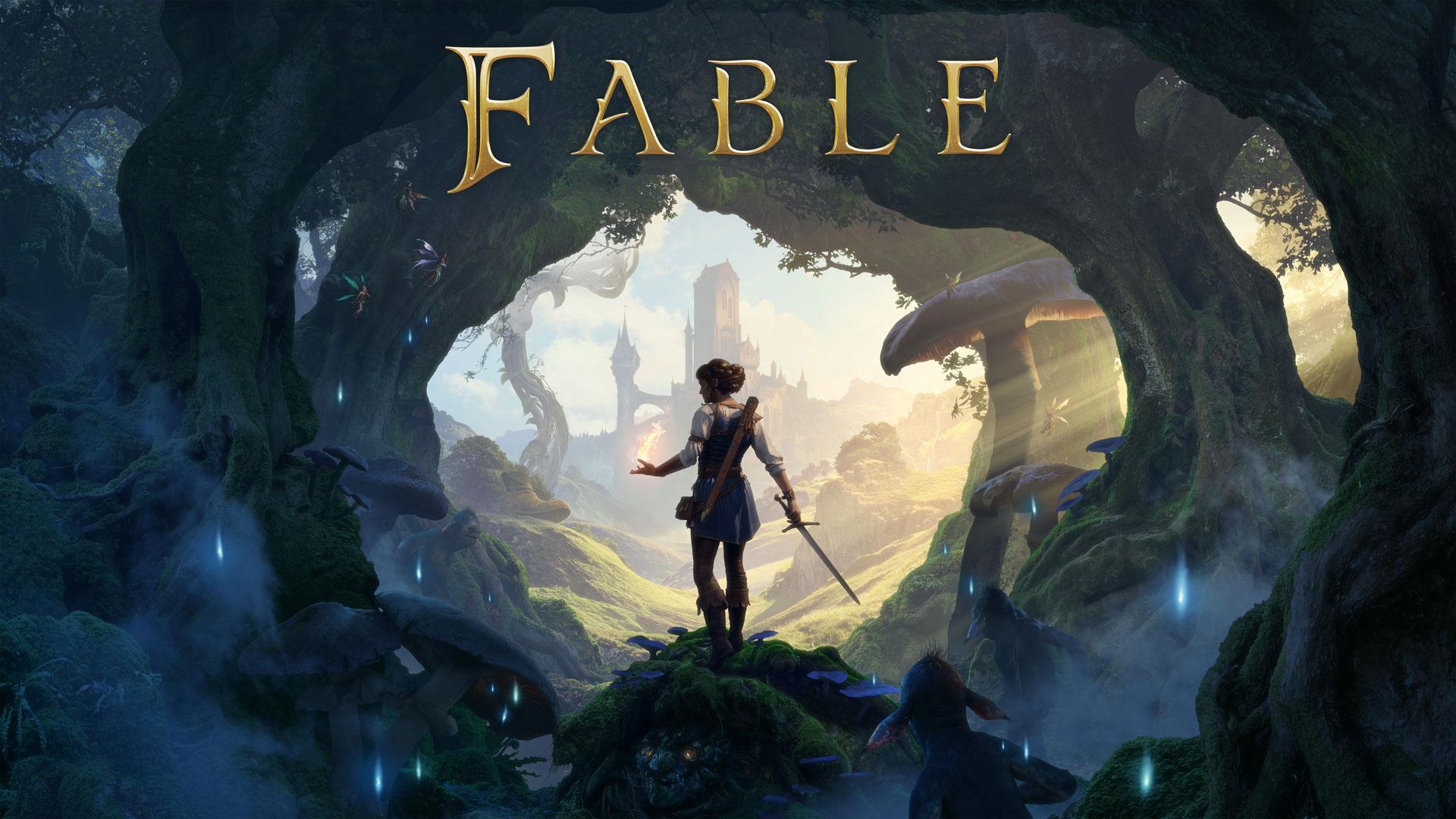
Image via Microsoft
In a moment of startling candor that has set the gaming world ablaze with discussion, a senior Xbox executive has publicly acknowledged what many industry observers and frustrated fans have been saying for years: it has become genuinely difficult to explain why consumers should choose an Xbox console over the competition. The admission, coming from someone specifically brought in to help address the platform's woes, represents perhaps the most honest assessment of Xbox's current market position we've ever heard from within Microsoft's gaming division.
The statement has resonated so powerfully because it cuts through the corporate speak and marketing jargon that typically surrounds console wars discourse. For years, Xbox loyalists have watched as Microsoft's messaging has grown increasingly muddled, with the company seemingly pulling in multiple directions at once. The push toward Game Pass, the acquisition of major studios, the embrace of PC gaming, and the recent decisions to release formerly exclusive titles on PlayStation have all contributed to an identity crisis that this executive is now openly acknowledging.
The Exclusivity Problem
At the heart of Xbox's struggle lies the fundamental question of exclusivity. Sony's PlayStation 5 boasts a library of must-play titles that simply cannot be experienced anywhere else. Spider-Man 2, Final Fantasy XVI's console exclusivity, and the upcoming slate of first-party titles give PlayStation owners a clear sense of what they're buying into. Nintendo, meanwhile, has Mario, Zelda, and Pokemon locked behind their hardware, ensuring that Switch owners know exactly why they made their purchase.
Xbox, by contrast, has spent the last several years methodically dismantling the very concept of console exclusivity. Nearly every major Xbox title is available on PC at launch. Games like Sea of Thieves and Hi-Fi Rush have made their way to PlayStation. The company's messaging has shifted from "buy an Xbox to play these games" to "subscribe to Game Pass on whatever device you prefer." While this strategy may make business sense from a services perspective, it has left the Xbox console itself feeling increasingly purposeless.
The Game Pass Paradox
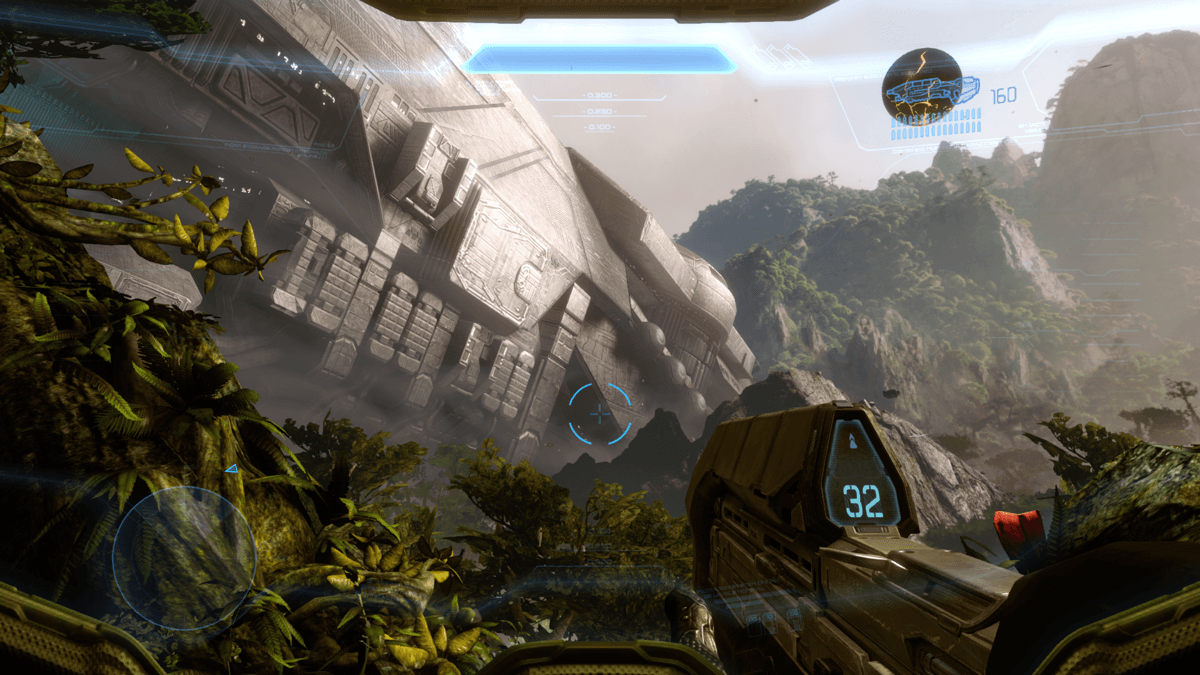
Game Pass remains Xbox's most compelling offering, a genuinely revolutionary service that provides incredible value to subscribers. Day-one releases of major titles, a vast back catalog, and regular additions make it arguably the best deal in gaming. Yet even this crown jewel has become a double-edged sword for Xbox hardware sales.
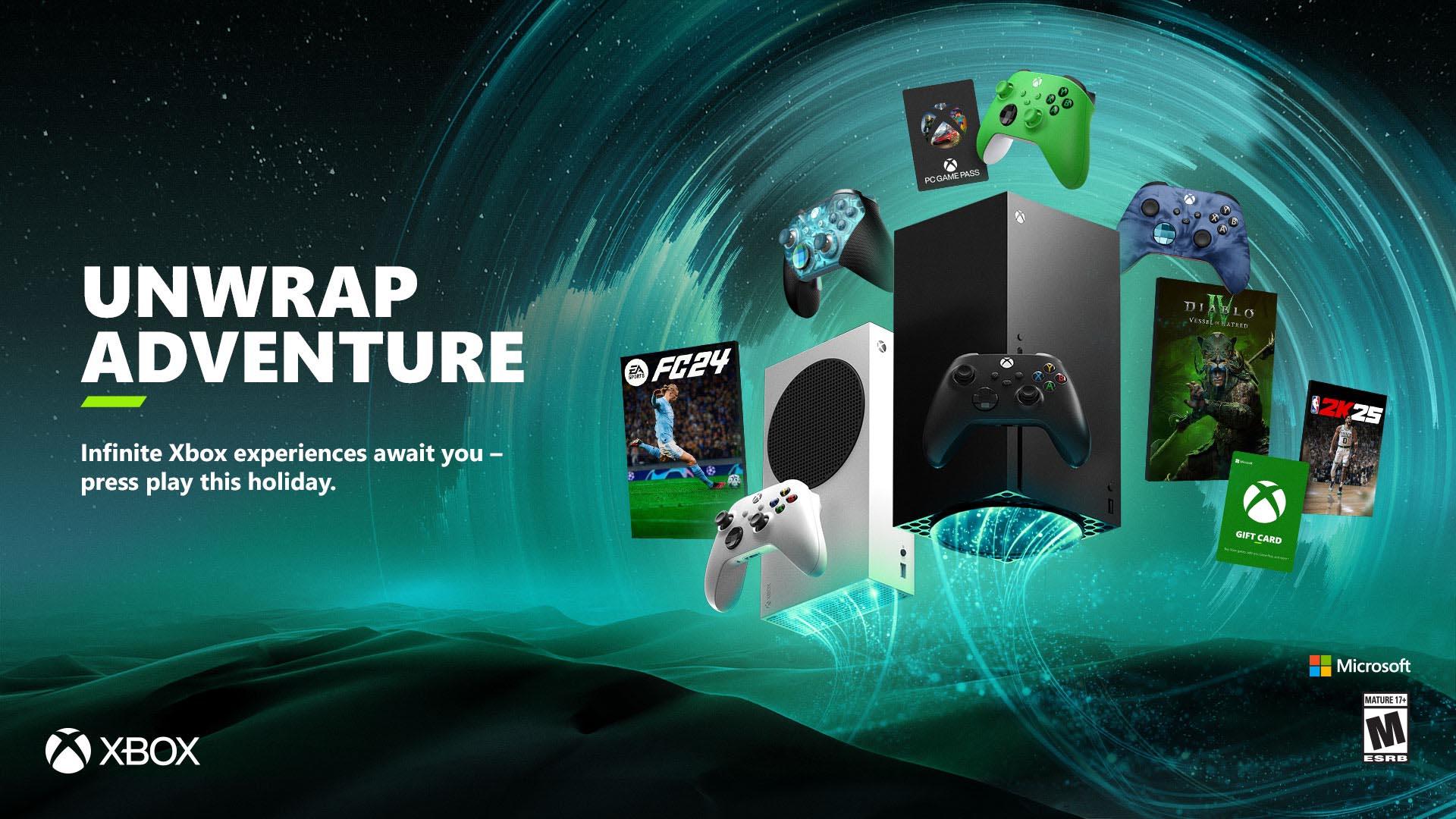
Why purchase an Xbox Series X when Game Pass Ultimate includes cloud gaming that works on phones, tablets, and smart TVs? Why invest in Microsoft's console when a gaming PC can access the same library with superior performance? The company has, perhaps inadvertently, created a situation where its own service undermines the case for its hardware.
The executive's admission suggests that internally, Microsoft is grappling with these contradictions. The company spent nearly seventy billion dollars acquiring Activision Blizzard, ostensibly to bolster its first-party lineup and Game Pass offerings. Yet even with Call of Duty, Diablo, and World of Warcraft under its umbrella, the fundamental question remains: what makes Xbox the platform to choose?
A Path Forward?
The gaming community's reaction to this admission has been mixed. Some have praised the honesty, viewing it as a necessary first step toward meaningful change. Others see it as a troubling sign that even those tasked with solving Xbox's problems don't have clear answers. The candor is refreshing, but candor alone won't move consoles off store shelves.
Xbox does have potential bright spots on the horizon. Gears of War: E-Day represents exactly the kind of tentpole exclusive that could reignite interest in the platform. The continued output from studios like Bethesda and Obsidian promises quality content. And the raw power of the Xbox Series X remains impressive from a technical standpoint.
But hardware specifications and future promises have been Xbox's refrain for years now. The gap between potential and execution has become the defining characteristic of Microsoft's gaming division this generation. Players have grown weary of waiting for Xbox to fulfill its promise while PlayStation and Nintendo deliver compelling reasons to own their hardware right now.
The Bigger Picture
This admission may ultimately be remembered as a turning point, though in which direction remains to be seen. Either Microsoft will use this moment of clarity to refocus its efforts and rebuild Xbox's identity, or it will serve as the beginning of the company's transition away from traditional console gaming entirely.
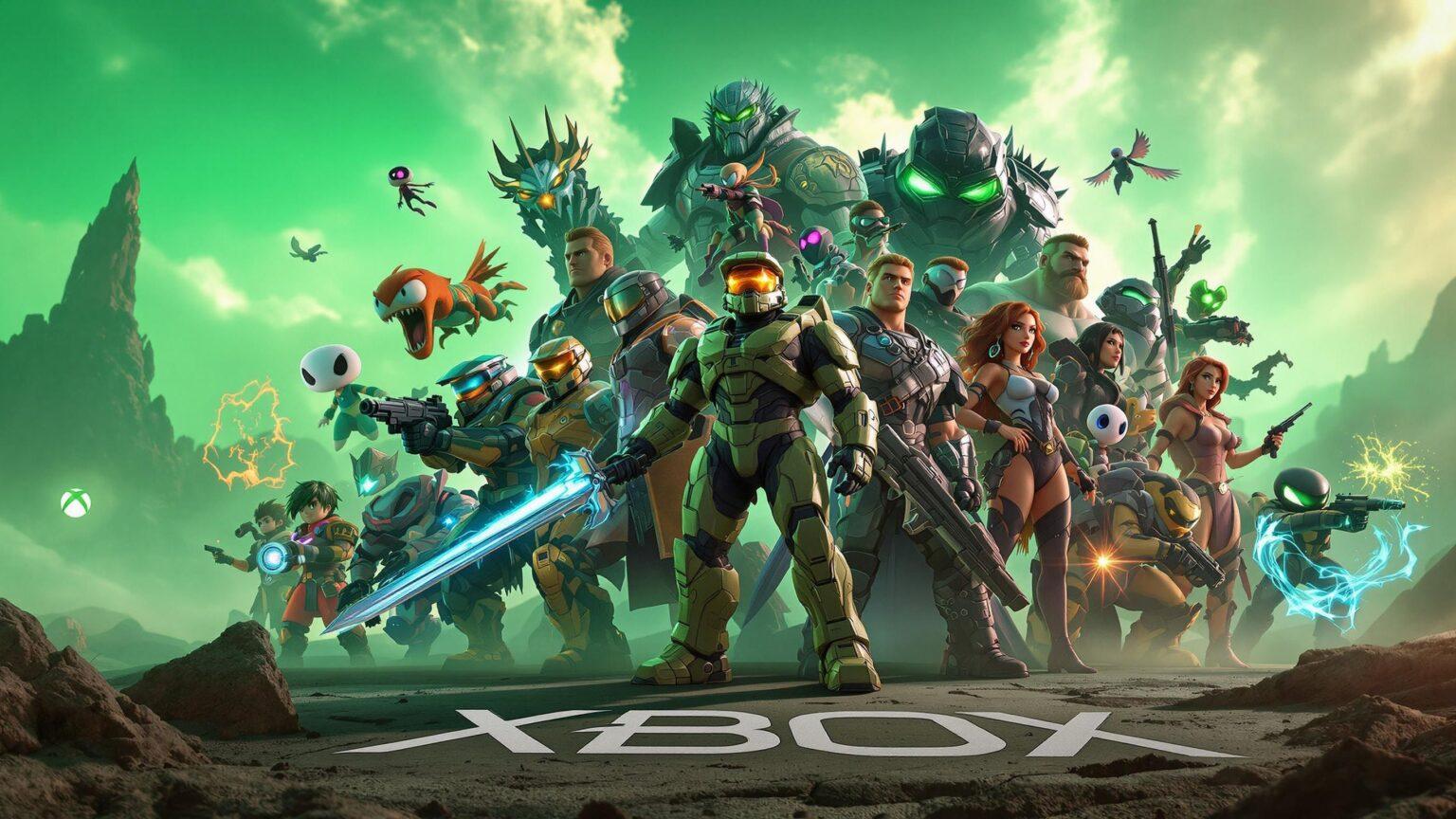
What's certain is that the gaming industry is watching closely. Microsoft has the resources, the studios, and the talent to compete at the highest level. What they've lacked is a coherent vision that gives consumers a compelling reason to invest in their ecosystem. Acknowledging the problem publicly is brave. Solving it will require something Xbox has struggled to deliver for years: a clear, consistent identity that players can believe in.
The man hired to fix Xbox knows the challenge ahead. Now comes the hard part.