Take-Two CEO Takes Aim at 2025's Biggest Gaming Disappointment, and Everyone Knows Exactly Which Game He Means
28 MAY, 2026 - Grand Theft Auto VI
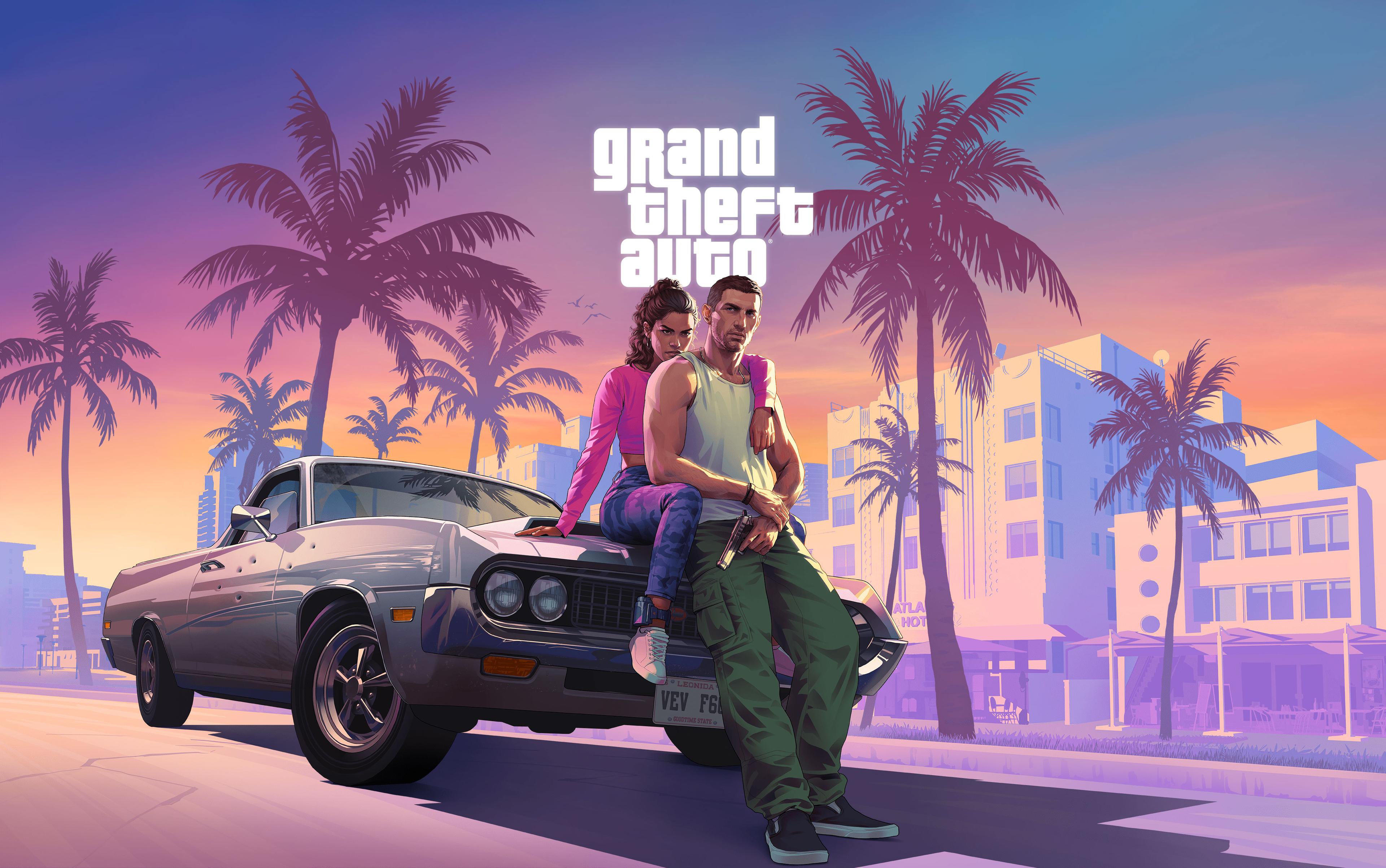
Image via Rockstar Games
In the cutthroat world of open-world gaming, few franchises cast a longer shadow than Grand Theft Auto. For decades, Rockstar Games has set the gold standard for sprawling criminal sandboxes, and according to Take-Two Interactive CEO Strauss Zelnick, plenty of former employees have tried to recreate that magic elsewhere—only to fall flat on their faces. While Zelnick didn't name names during his recent comments, the gaming community has already connected the dots, and they're pointing squarely at one of 2025's most spectacular failures.
The game in question is almost certainly Everywhere, the ambitious open-world project from Build A Rocket Boy, a studio founded by former Rockstar North president Leslie Benzies. Once heralded as a potential GTA killer from the mind of one of the franchise's key architects, Everywhere launched earlier this year to devastating reviews and tepid player response. It currently sits as one of the worst-reviewed major releases of 2025, a cautionary tale about the perils of trying to out-Rockstar Rockstar itself.
Zelnick's comments came during a recent investor call, where he discussed Take-Two's competitive positioning in the market. "We've seen former Rockstar employees attempt to match what GTA has achieved," Zelnick reportedly stated. "They've tried to replicate the formula, and they've failed. There's a reason why Grand Theft Auto remains the benchmark for this genre, and it's not something that can be easily duplicated by simply hiring away talent."
The timing of these remarks is particularly pointed. With Grand Theft Auto VI looming on the horizon as potentially the most anticipated game release in history, Take-Two appears confident that no challenger can threaten their crown. And based on recent evidence, they may have a point.
Leslie Benzies departed Rockstar Games in 2016 following a highly publicized legal dispute over unpaid royalties, a case that was eventually settled out of court. He subsequently founded Build A Rocket Boy with the explicit goal of creating something that would rival his former employer's flagship franchise. The studio attracted significant investment and assembled a team of industry veterans, many of whom had worked on previous GTA titles. The promise was tantalizing: the minds behind GTA would create something even more ambitious, freed from the constraints of working under Rockstar's notoriously secretive and demanding corporate structure.
Everywhere was meant to be revolutionary. Pitched as a multi-world experience that would blend traditional open-world gameplay with user-generated content and social features, the game positioned itself as the next evolution of the genre. Early trailers showcased impressive technology and hinted at a scope that would dwarf even Rockstar's offerings. Gaming publications breathlessly covered every development update, and fan anticipation built steadily over the years.
Then the game actually released.
Critics savaged Everywhere for its unfocused design, technical issues, and failure to deliver on its lofty promises. The user-generated content systems felt half-baked, the core gameplay loop was criticized as repetitive and shallow, and the much-hyped social features struggled to attract a meaningful player base. Review aggregators painted a grim picture, with scores hovering in territory typically reserved for budget shovelware rather than AAA releases backed by hundreds of millions in funding.
The contrast with Rockstar's methodical approach couldn't be starker. While GTA VI has been in development for years, with Rockstar maintaining its characteristic silence and only revealing the game when they were confident in its polish, Everywhere attempted to generate hype through constant communication and ambitious promises that the final product couldn't fulfill. It's a reminder that talent alone doesn't guarantee success—execution, vision, and institutional knowledge all play crucial roles.
Zelnick's willingness to publicly address the situation, even indirectly, suggests a level of confidence bordering on swagger from Take-Two. The company knows they're sitting on a goldmine with GTA VI, and they're apparently not above reminding the industry of that fact. Some might view his comments as unnecessarily harsh toward former colleagues, while others see it as a pragmatic assessment of market realities.
The gaming industry has seen this pattern before. Talented developers leave successful studios, raise enormous sums of money based on their pedigrees, and promise to recapture past glories. Sometimes it works spectacularly—Respawn Entertainment's founding by former Infinity Ward leaders led to Titanfall and Apex Legends. But more often, these ventures struggle to replicate the complex alchemy that made their previous projects successful.
What made GTA special was never just one person. It was the combination of Rockstar's perfectionist culture, their willingness to delay releases until quality standards were met, their massive teams working in concert, and yes, the creative contributions of individuals like Benzies and the Houser brothers. Remove any element from that equation, and the formula breaks down.
As the industry watches GTA VI's development with bated breath, Everywhere serves as a humbling reminder: in gaming, reputation opens doors, but only the finished product determines legacy. For now, Take-Two remains the undisputed champion of the open-world crime genre, and Strauss Zelnick clearly wants everyone to remember that.