Helldivers 2 Faces Its Biggest Crisis Yet as Steam Reviews Plunge to "Mostly Negative"
8 MAY, 2026 - HELLDIVERS 2
Image via Arrowhead Game Studios
What was once the darling of the gaming industry has now become a cautionary tale about the fragile relationship between live-service developers and their passionate communities. Helldivers 2, the cooperative third-person shooter that took the world by storm in early 2024, has seen its Steam review status plummet to "Mostly Negative" as frustrated players voice their discontent over what they perceive as a lack of meaningful content and communication from developer Arrowhead Game Studios.
The situation has become dire enough that Arrowhead has been forced to issue a public statement promising that more content is indeed on the way. But for many players who have invested hundreds of hours spreading managed democracy across the galaxy, these assurances may be arriving too late to salvage their goodwill.
Helldivers 2 launched to unprecedented success in February 2024, quickly becoming one of the best-selling PlayStation titles of all time and amassing millions of concurrent players on both PC and PlayStation 5. The game's addictive gameplay loop, satirical humor, and emphasis on cooperative teamwork created one of those rare gaming phenomena that transcended typical genre boundaries. Players who had never touched a third-person shooter found themselves eagerly diving into bug-infested planets and robot-controlled territories.
However, the very success that propelled Helldivers 2 into the stratosphere also created expectations that Arrowhead has struggled to meet. The live-service model demands a constant stream of new content, balance updates, and engaging seasonal events to keep players returning. And according to the increasingly vocal community, Arrowhead has failed to deliver on these expectations.
The review bombing campaign that has pushed Helldivers 2 into negative territory represents months of accumulated frustration. Players cite numerous grievances, including a perceived slowdown in new content releases, controversial weapon balance changes that have made fan-favorite loadouts less viable, and communication from the development team that many describe as insufficient or dismissive of community concerns.
This is not the first time Helldivers 2 has faced community backlash. Earlier in its lifecycle, the game weathered a significant controversy when Sony attempted to require all PC players to link their accounts to PlayStation Network, a decision that was ultimately reversed after massive player outcry. That crisis was averted through swift corporate action, but the current content drought presents a more complex challenge that cannot be solved with a simple policy reversal.
Arrowhead's recent statement acknowledges the community's frustration while attempting to reassure players that the studio has not abandoned the game. The developer promises that new content is in development and will be arriving in the coming months. However, the statement notably lacks specific details about what players can expect or when exactly they can expect it, which may do little to satisfy those demanding concrete roadmaps and transparent development timelines.
The broader implications of this situation extend beyond Helldivers 2 itself. The gaming industry has witnessed numerous live-service titles struggle to maintain momentum after explosive launches, and Arrowhead's current predicament serves as yet another example of how quickly player sentiment can turn against even the most beloved games.
Live-service games exist in a perpetual state of needing to prove themselves to their communities. Unlike traditional single-player experiences that can be evaluated as finished products, games like Helldivers 2 are judged not just on what they are but on what they promise to become. When that promise appears unfulfilled, player trust erodes rapidly.
The Steam review system has become a powerful tool for community expression, for better or worse. While some argue that review bombing campaigns can be counterproductive and fail to capture the nuanced realities of game development, others maintain that negative reviews represent legitimate consumer feedback that developers ignore at their peril. In the case of Helldivers 2, the review scores serve as a visible metric of community dissatisfaction that is difficult for Arrowhead or Sony to dismiss.
What happens next will be crucial for the game's long-term health. Arrowhead faces the challenging task of not only delivering content that meets player expectations but also rebuilding trust with a community that feels neglected. This requires more than just new weapons, missions, and enemies. It demands a fundamental shift in how the studio communicates with and involves its player base in the ongoing development process.
The path forward is not impossible. Other live-service games have recovered from similar crises through dedicated community engagement and substantial content updates. No Man's Sky remains the quintessential example of a game that transformed its reputation through years of committed development and genuine responsiveness to player feedback.
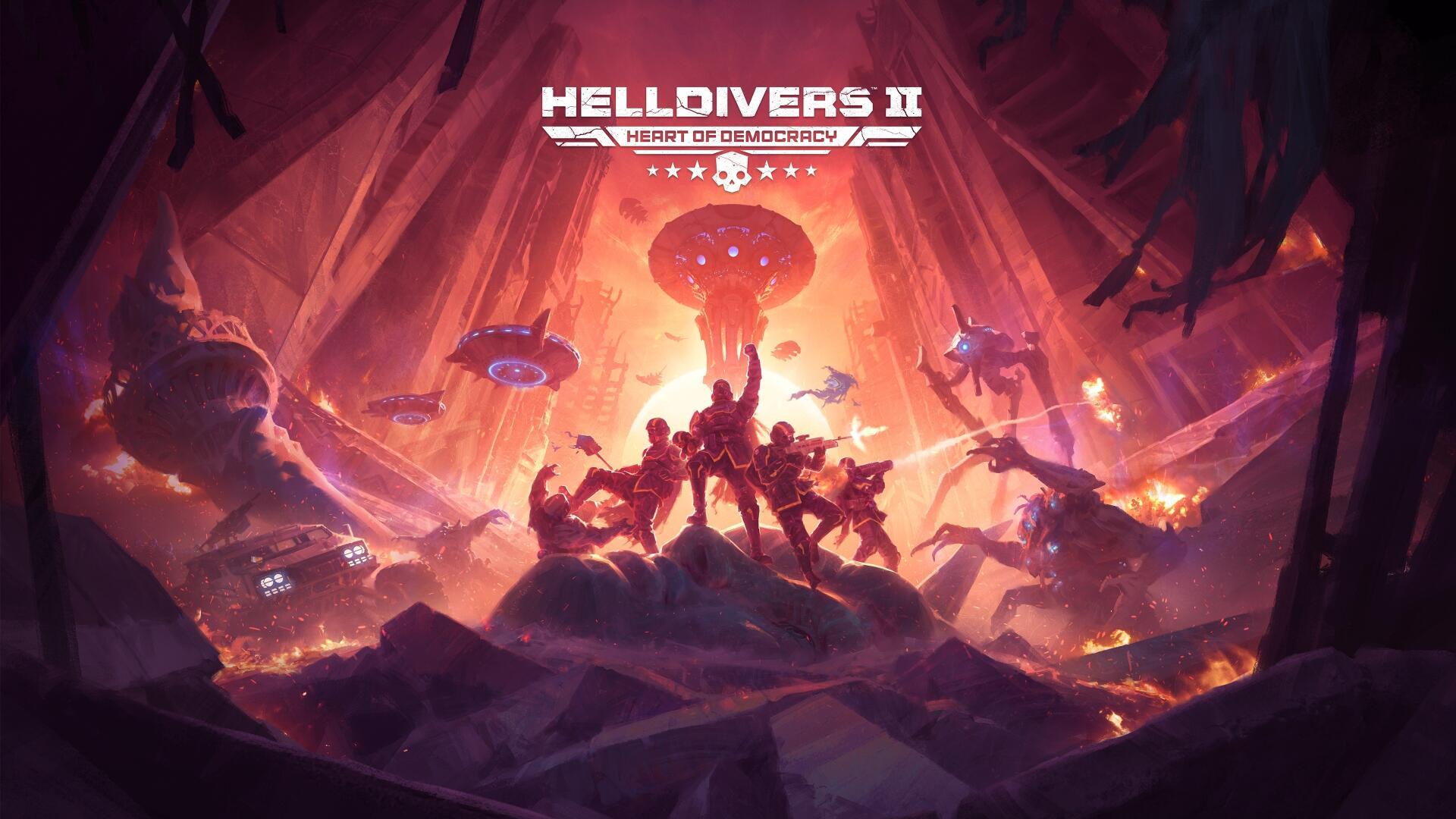
For now, millions of Helldivers await news from Super Earth command. The democracy they fought so hard to spread hangs in the balance, and only time will tell whether Arrowhead can rally its troops for another glorious campaign or whether this particular war has already been lost. The coming months will determine whether Helldivers 2 becomes a cautionary tale or a comeback story for the ages.