Vanillaware Artist Retreated to Mountain Solitude for Six Years to Craft a Stunning Love Letter to Classic RPGs
13 JULY, 2026
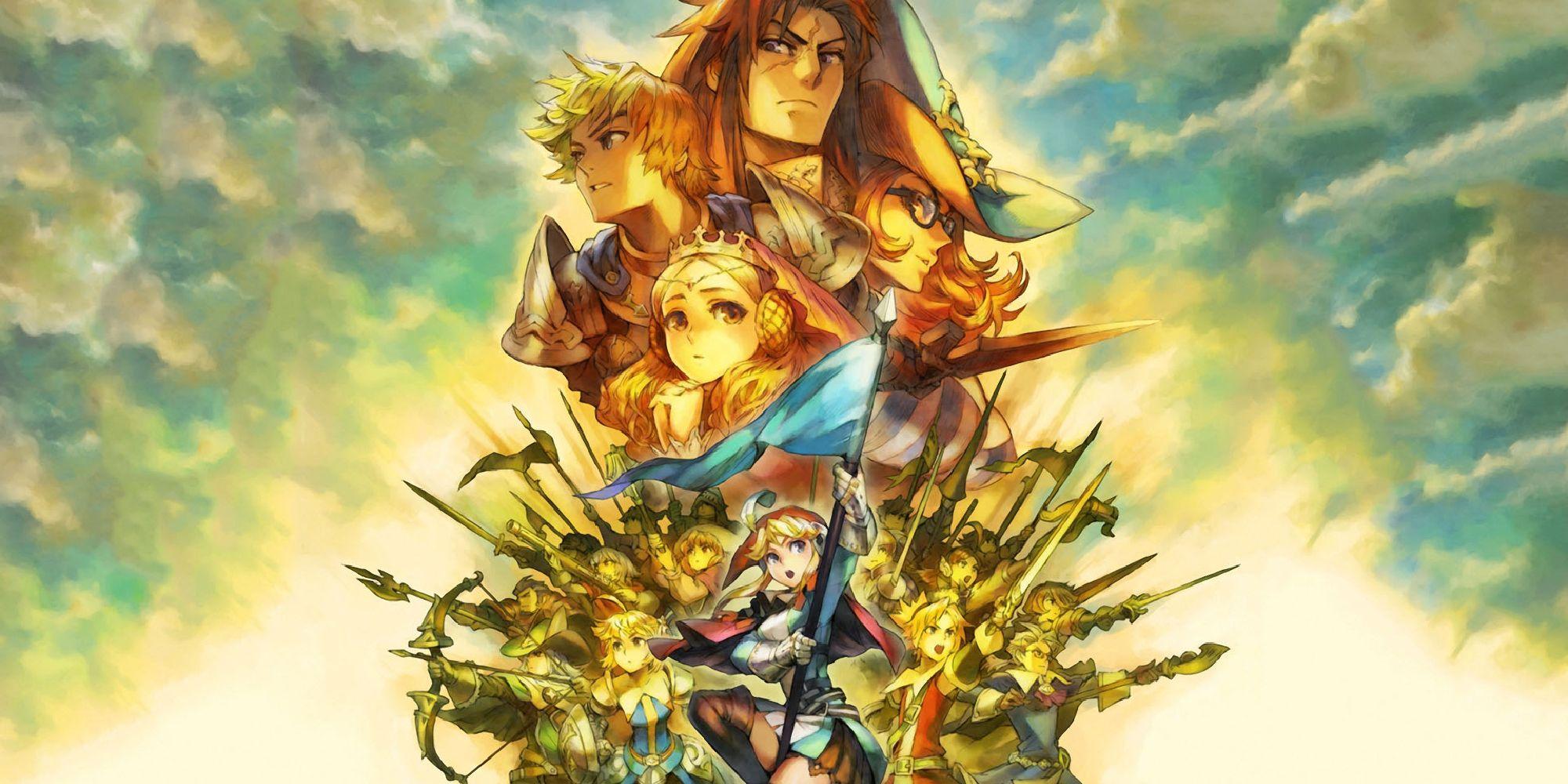
Image via Vanillaware
In an era where game development increasingly resembles factory assembly lines, with studios churning out content through crunch culture and corporate efficiency mandates, one artist's radical creative choice stands as a powerful reminder of what passion-driven game development can look like. A veteran artist from the acclaimed studio Vanillaware has emerged from a remarkable six-year mountain retreat, bringing with them what early glimpses suggest is a breathtaking tribute to the golden age of role-playing games.
The news has captured the imagination of the gaming community, sparking conversations about artistic dedication, the nature of creativity, and whether the industry has lost something essential in its pursuit of annual releases and live-service models. While details about the project remain carefully guarded, the story behind its creation has already become legendary among fans of the celebrated Japanese developer known for titles like Dragon's Crown, Odin Sphere, and the critically acclaimed 13 Sentinels: Aegis Rim.
Vanillaware has long occupied a unique space in the gaming landscape, renowned for its distinctive hand-drawn art style that evokes classical paintings brought to vivid life. The studio's games feel like interactive storybooks, each frame worthy of museum display. For an artist from this particular pedigree to withdraw from the modern world entirely, relocating to a mountain dwelling to pursue a singular creative vision, speaks to a level of commitment that borders on the monastic.
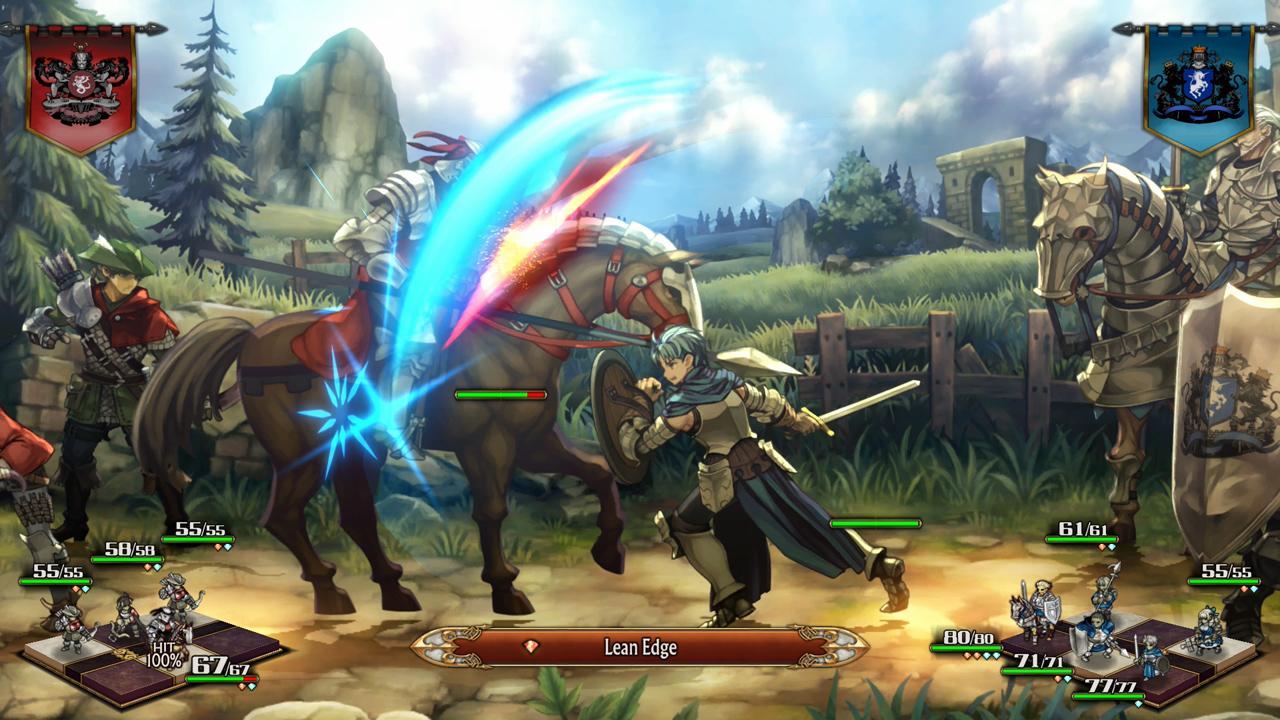
According to reports, the artist spent these years immersed in the aesthetic and mechanical foundations of classic role-playing games, studying everything from the pixel art of 16-bit era masterpieces to the intricate character designs of early console RPGs. The resulting project is described as a love letter to these formative experiences, channeling the spirit of games that defined a generation of players who discovered fantasy worlds through cartridges and disc-based adventures.
The gaming community's response has been overwhelmingly enthusiastic, with many expressing both admiration and curiosity about what six years of focused mountain solitude can produce. Social media has erupted with speculation about the project's scope, its potential platforms, and whether it might represent a new direction for Vanillaware's signature aesthetic approach. Some have drawn comparisons to other legendary stories of isolated game development, though few can match the romantic imagery of an artist literally removing themselves from civilization to pursue their craft.
This approach stands in stark contrast to contemporary development practices that prioritize rapid iteration, constant connectivity, and design-by-committee methodologies. While modern studios increasingly rely on live analytics and player feedback to shape their games in real-time, this mysterious project was crafted in complete isolation, guided solely by the artist's personal vision and reverence for gaming history.

The timing of this revelation feels particularly significant given current industry trends. As major publishers face criticism for rushed releases, aggressive monetization, and the closure of beloved studios, stories of individual artistic dedication resonate powerfully with players hungry for authenticity. The gaming community has grown increasingly weary of products that feel designed primarily to extract ongoing revenue rather than deliver complete, crafted experiences.
Vanillaware itself has maintained this countercultural position throughout its existence, releasing polished single-player experiences that prioritize artistic expression over market trends. The studio has never chased the live-service model or succumbed to the pressures of annual franchise entries. Each release feels like an event precisely because the team refuses to compromise their meticulous approach to game development.
What makes this particular project even more intriguing is its explicit focus on old-school RPG sensibilities. At a time when the genre has evolved toward open-world excess and action-oriented combat, a return to classical foundations could offer something genuinely refreshing. The greatest RPGs of earlier generations succeeded through tight design, memorable characters, and worlds that felt complete rather than infinitely expandable.
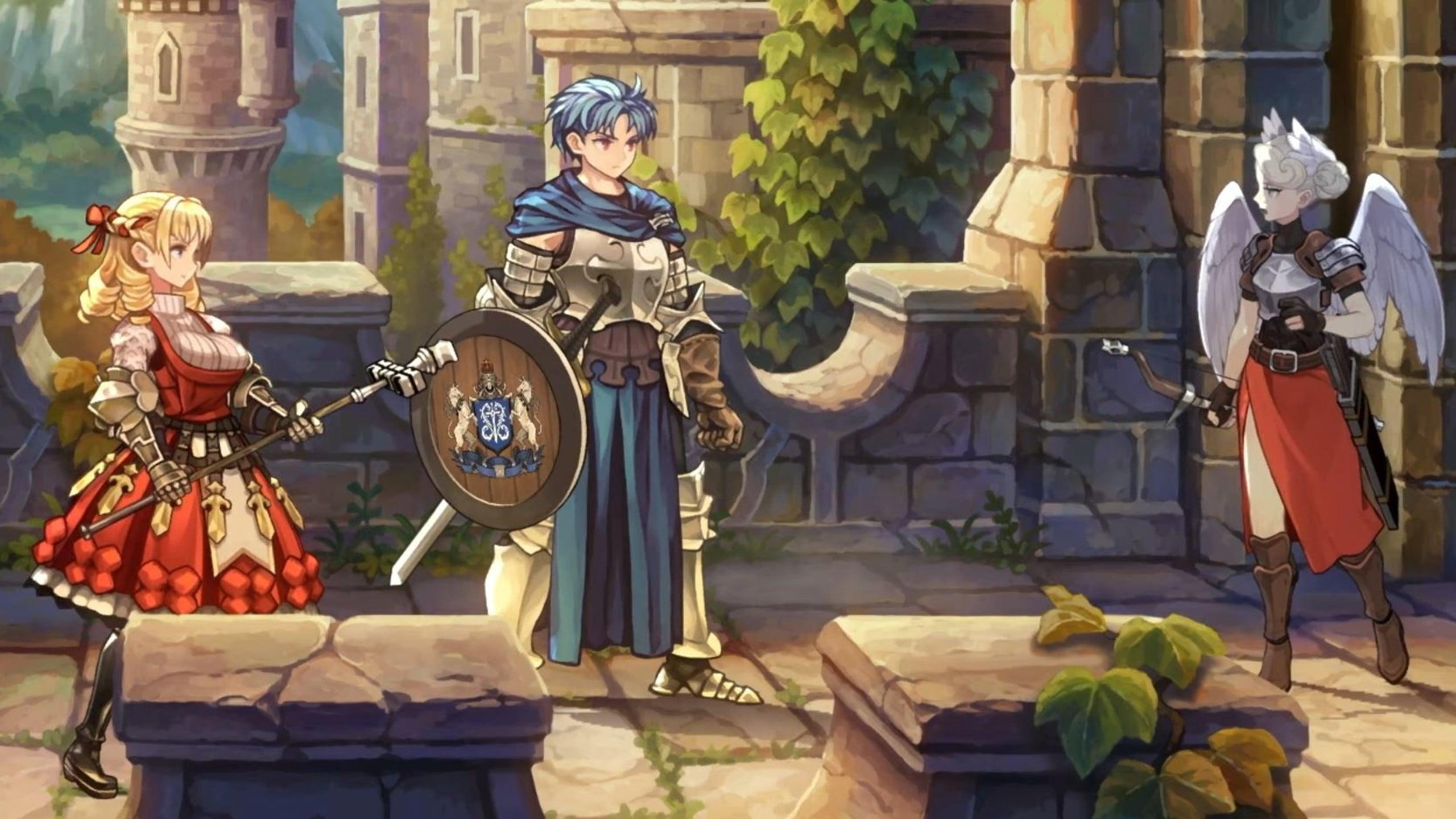
The mountain retreat detail has captured particular attention, evoking images of artistic pilgrimage that transcend gaming to touch something universal about creative pursuit. Throughout history, artists and writers have sought isolation to produce their greatest works, removing themselves from distraction to achieve clarity of vision. That this tradition continues within game development suggests the medium has truly matured as an art form.
While we await official announcements regarding platforms, release windows, and gameplay specifics, the story itself has already succeeded in sparking important conversations. In an industry often criticized for losing its soul to corporate interests, evidence of uncompromising artistic dedication provides hope that games can still be made the old-fashioned way, through passion, patience, and personal sacrifice.
Whatever this mysterious project ultimately reveals itself to be, its creation story has already secured its place in gaming lore. Six years in mountain solitude, crafting a tribute to the RPGs that shaped a medium. Sometimes the most compelling game development stories remind us that behind every great title, there are human beings driven by something more powerful than quarterly earnings reports.