Palworld's Unstoppable Rise: 40 Million Players and Counting as 1.0 Launch Looms
8 JULY, 2026 - Palworld
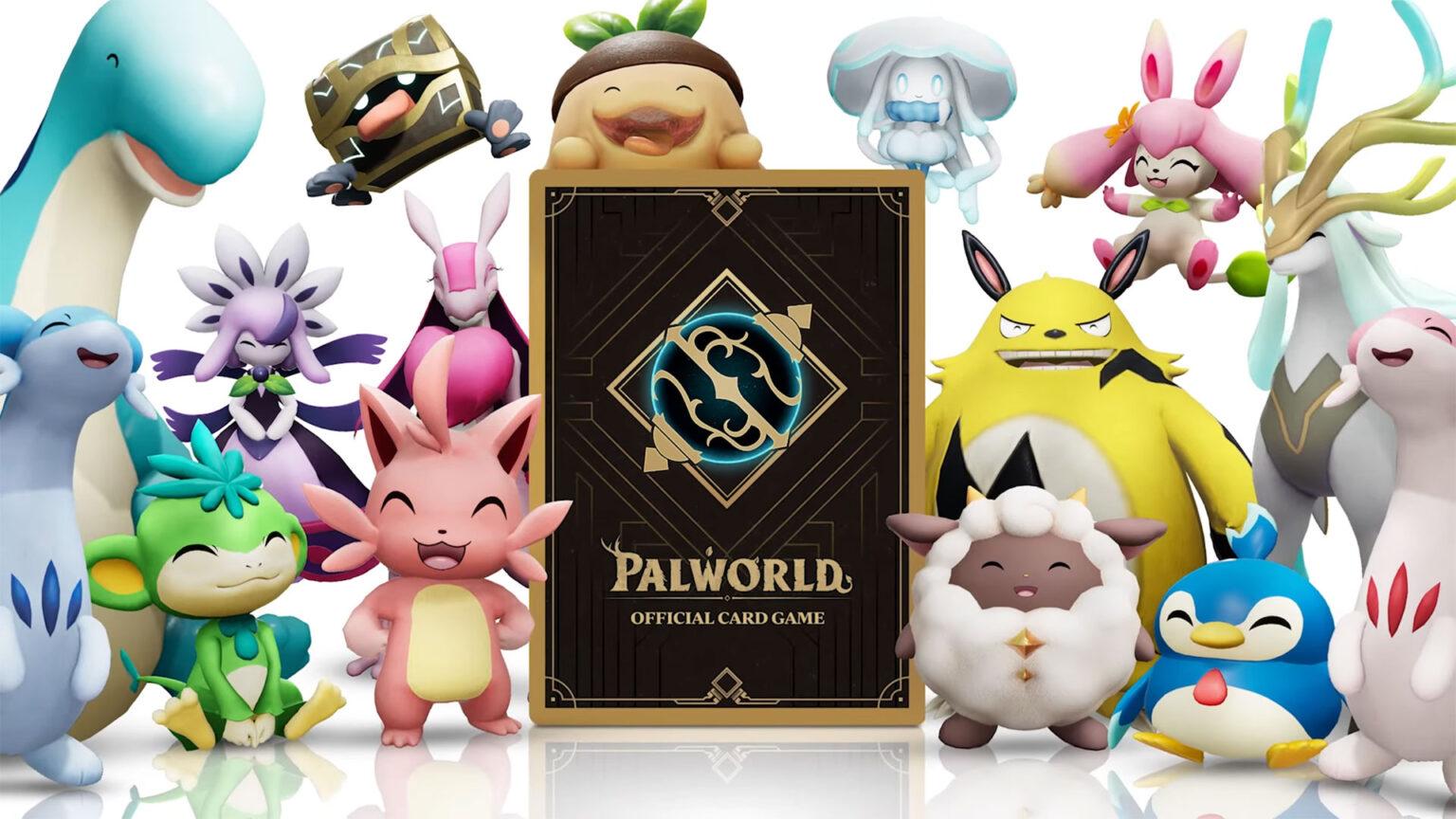
Image via Pocketpair
When Palworld burst onto the gaming scene in January 2024, few could have predicted just how dramatically it would reshape the conversation around survival crafting games. Now, two and a half years later, Pocketpair's controversial creature-collecting phenomenon has reached an extraordinary milestone: 40 million players worldwide. With the full 1.0 release just around the corner, Palworld's journey from scrappy indie experiment to industry juggernaut represents one of the most remarkable success stories in recent gaming history.
The numbers speak for themselves. Palworld didn't just find an audience—it captured the gaming zeitgeist in a way that few titles manage to achieve. Within its first month of Early Access availability, the game had already shattered concurrent player records on Steam, at one point hosting over two million simultaneous players and briefly challenging even the legendary Counter-Strike for platform dominance. That initial surge of interest could have easily faded, as it does for so many viral sensations. Instead, Palworld has demonstrated remarkable staying power, continuing to attract new players while retaining its dedicated community.
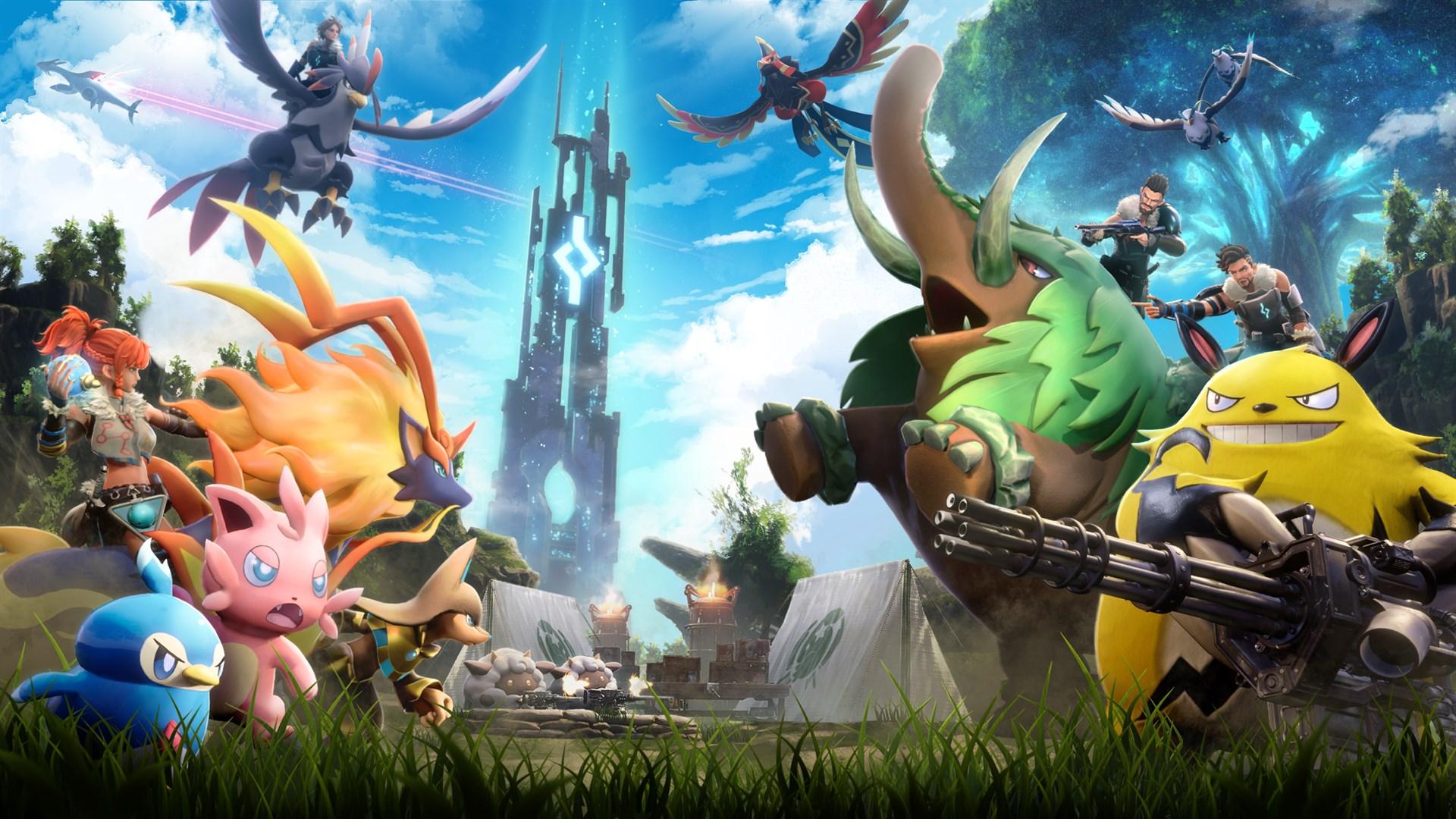
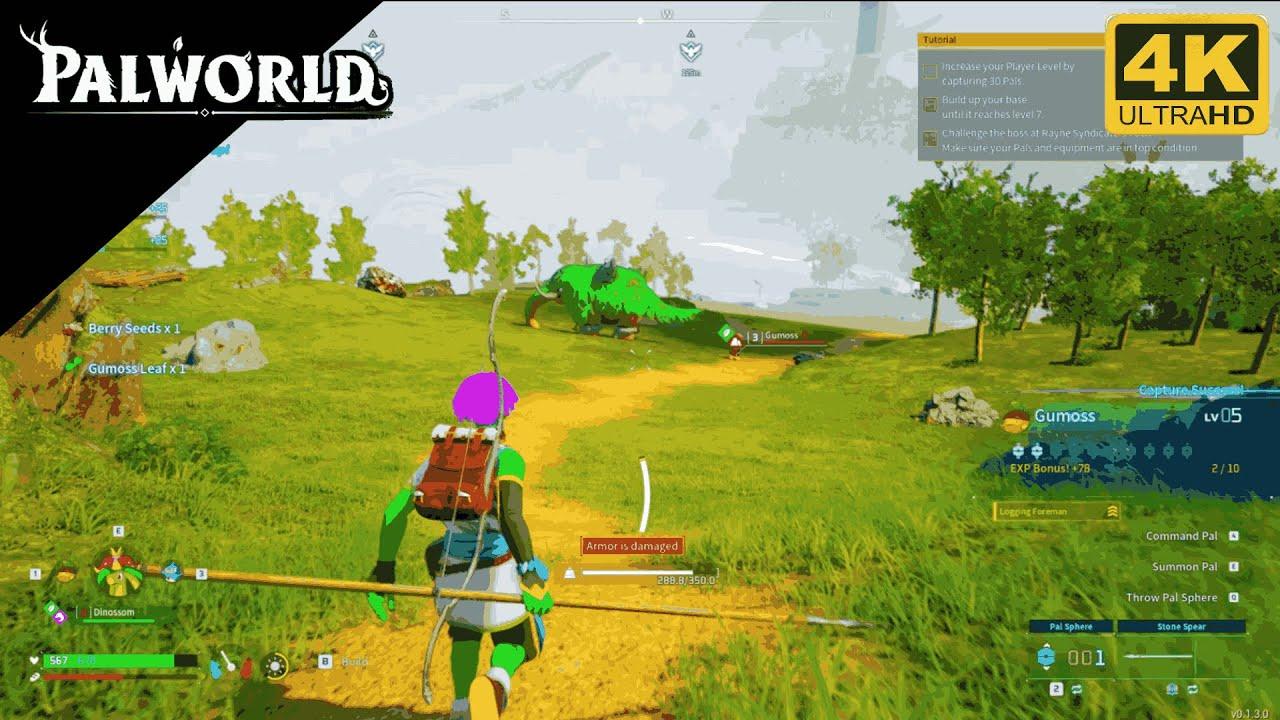
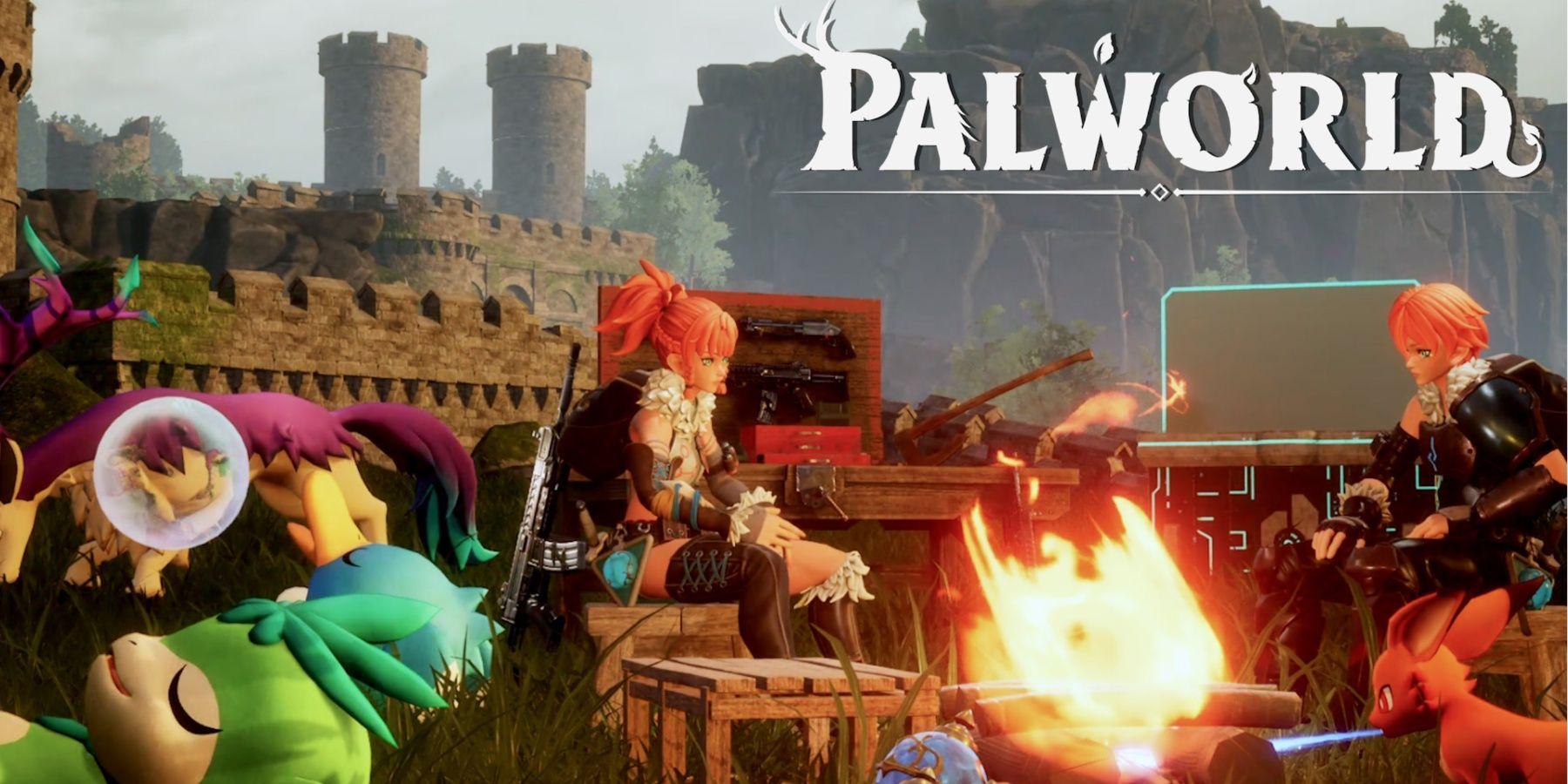
The secret to Palworld's success lies in its audacious genre-blending approach. On the surface, the game combines the addictive creature-collecting mechanics popularized by Pokémon with the base-building and survival elements of titles like Ark: Survival Evolved and Rust. But Palworld goes further, injecting a darkly comedic sensibility that sets it apart from its inspirations. Players can put their captured Pals to work in factories, arm them with assault rifles, or send them into battle against hostile wildlife and other players. It's a formula that sounds absurd on paper but proves irresistible in practice.
Of course, Palworld's rise hasn't been without controversy. From the moment its first trailers dropped, the game faced accusations of derivative design, with critics pointing to the striking similarities between many Pals and existing Pokémon creatures. The Nintendo-owned Pokémon Company notably filed a patent infringement lawsuit against Pocketpair in September 2024, a legal battle that continues to cast a shadow over the game's future. Despite these challenges, or perhaps partly because of the publicity they generated, Palworld has continued its meteoric ascent.
Pocketpair has proven to be a surprisingly agile developer, consistently rolling out updates that address community feedback while expanding the game's content. The studio has added new Pals, refined base-building mechanics, improved multiplayer functionality, and introduced quality-of-life features that have kept the experience feeling fresh. Each major update has brought players back in waves, contributing to that impressive 40 million figure. The developer's willingness to engage with its community and iterate rapidly has earned it considerable goodwill, even among initially skeptical players.
The timing of this milestone announcement is particularly significant given the impending 1.0 release. After spending roughly two and a half years in Early Access, Palworld is finally preparing to shed that label and present itself as a complete product. For many games, the transition from Early Access to full release marks a critical inflection point—a moment when casual observers decide whether the title has fulfilled its promise. Based on current momentum, Palworld appears poised to make that transition successfully.
What makes Palworld's achievement even more impressive is the competitive landscape it has navigated. The survival crafting genre is notoriously crowded, with established franchises and well-funded competitors constantly vying for player attention. Meanwhile, the creature-collecting space has long been dominated by Nintendo's seemingly unassailable Pokémon empire. That an independent Japanese studio could carve out such significant territory in both genres simultaneously speaks to the genuine innovation at the heart of Palworld's design.
The 40 million player milestone also raises interesting questions about the future of the franchise. Pocketpair has remained relatively tight-lipped about its long-term plans, but a property with this level of engagement inevitably attracts attention from potential partners and investors. Whether the studio chooses to expand Palworld into a broader multimedia franchise, develop sequels, or explore other creative directions entirely remains to be seen. The ongoing legal situation with The Pokémon Company will likely influence those decisions significantly.
For now, though, Palworld stands as a testament to what happens when developers take creative risks and trust their audience to embrace something different. The game arrived at precisely the right moment, offering players a fresh take on familiar mechanics delivered with personality and polish. It proved that there was hunger for a creature-collecting experience that didn't shy away from darker themes or more complex gameplay systems.
As Palworld prepares to enter its next chapter with the 1.0 release, those 40 million players represent more than just a number—they represent a community that has grown alongside the game, weathering controversies and celebrating victories together. Whatever challenges lie ahead, Pocketpair has already accomplished something remarkable. In a gaming landscape often dominated by safe sequels and proven formulas, Palworld dared to be weird, and millions of players responded with enthusiasm. That's a legacy worth celebrating, regardless of what comes next.