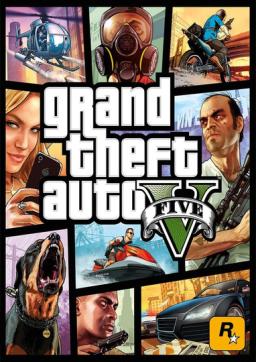
GTA Online Is Still Making Rockstar Games Around $1.3 Million Per Day On Average
15 APRIL, 2026 - Grand Theft Auto V

Image via Rockstar Games
In an industry where live-service games rise and fall with alarming regularity, one title continues to defy all expectations and conventional wisdom about gaming's shelf life. Grand Theft Auto Online, the multiplayer companion to 2013's Grand Theft Auto V, is still generating approximately $1.3 million per day for Rockstar Games, cementing its status as one of the most financially successful entertainment products ever created.
The staggering figure, which translates to roughly $475 million annually, places GTA Online in rarefied air among gaming properties. To put this in perspective, many AAA game releases would consider themselves fortunate to generate that kind of revenue across their entire lifetime, let alone on a yearly basis more than a decade after launch. The multiplayer crime sandbox has become less of a game and more of a perpetual money-printing machine for parent company Take-Two Interactive.
What makes these numbers even more remarkable is the context in which they exist. GTA Online launched in October 2013, just weeks after the base game arrived on PlayStation 3 and Xbox 360. The gaming landscape has transformed dramatically since then. We have seen the rise and fall of countless live-service competitors, the emergence of battle royale as a dominant genre, and the transition through two console generations. Yet through all of this upheaval, Los Santos remains packed with players willing to spend real money on virtual cars, properties, and criminal enterprises.

The secret to GTA Online's enduring success lies in Rockstar's approach to content updates and player engagement. Rather than resting on their laurels, the development team has consistently delivered substantial expansions that add new heists, vehicles, businesses, and gameplay mechanics. From the early days of simple apartment ownership to the current era of submarine bases, nightclubs, and space-age weaponry, the game has evolved dramatically while maintaining its core appeal.
The economy of GTA Online is carefully calibrated to encourage spending. New content typically arrives with eye-watering in-game price tags that make the grind for virtual currency feel almost insurmountable for casual players. This creates a natural incentive to purchase Shark Cards, the game's premium currency packs that allow players to skip the grind and immediately access the latest content. It is a model that has drawn criticism from some quarters but has proven devastatingly effective at extracting revenue.
Take-Two Interactive has been refreshingly transparent about the importance of GTA Online to their bottom line. In earnings calls and investor presentations, executives have repeatedly highlighted the game's recurrent consumer spending as a key driver of the company's financial performance. The game has generated billions of dollars in microtransaction revenue since launch, with some estimates placing the total figure well above $8 billion.

The timing of these revelations is particularly interesting given the ongoing development of Grand Theft Auto VI. Rockstar has confirmed that the highly anticipated sequel will launch in Fall 2025, and speculation about its own online component runs rampant. If GTA Online can generate this kind of revenue running on hardware and infrastructure designed over a decade ago, the potential for a next-generation equivalent built from the ground up seems almost limitless.
Critics of the live-service model often point to predatory monetization practices and the way these systems can prey on vulnerable players. GTA Online has not been immune to such criticism, with concerns raised about the gambling-adjacent nature of certain features and the pressure placed on players to spend. However, from a pure business perspective, it is difficult to argue with results this impressive.
The player base remains robust despite the game's age. Regular weekly updates, bonus events, and limited-time content keep the community engaged. The social aspects of GTA Online, from crew activities to simply cruising around Los Santos with friends, have created a sticky ecosystem that players return to repeatedly. For many, it has become less of a game they play and more of a virtual hangout space they inhabit.
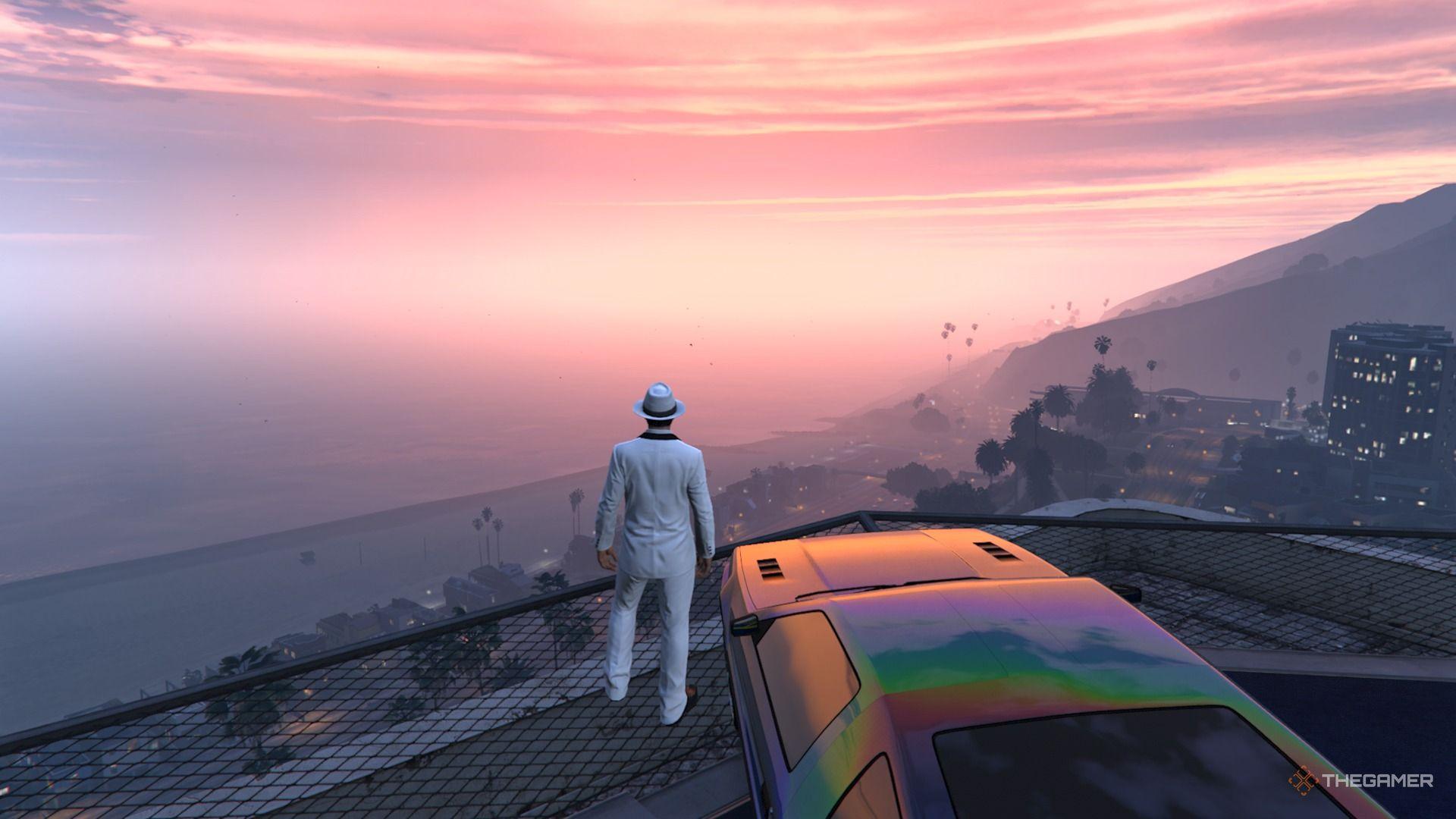
Looking ahead, the question becomes whether GTA Online can maintain this momentum as anticipation builds for its successor. History suggests that major releases can temporarily impact engagement with existing titles, but GTA Online has weathered numerous potential threats over the years. The game survived the launches of Red Dead Online, numerous competitor titles, and even the arrival of Fortnite as a cultural phenomenon.
For Rockstar Games and Take-Two Interactive, these daily revenue figures represent validation of a strategy that has been refined over more than a decade. They have created something that transcends the typical game lifecycle, evolving into a platform that generates consistent returns year after year. As the gaming industry continues to chase the elusive dream of sustainable live-service success, GTA Online stands as both an inspiration and a nearly impossible benchmark to reach.
The $1.3 million daily average is more than just a number. It represents millions of players still finding value in a virtual Los Santos, still willing to invest their time and money into an experience that refuses to grow old. In an industry obsessed with the next big thing, GTA Online proves that sometimes the biggest thing is already here.