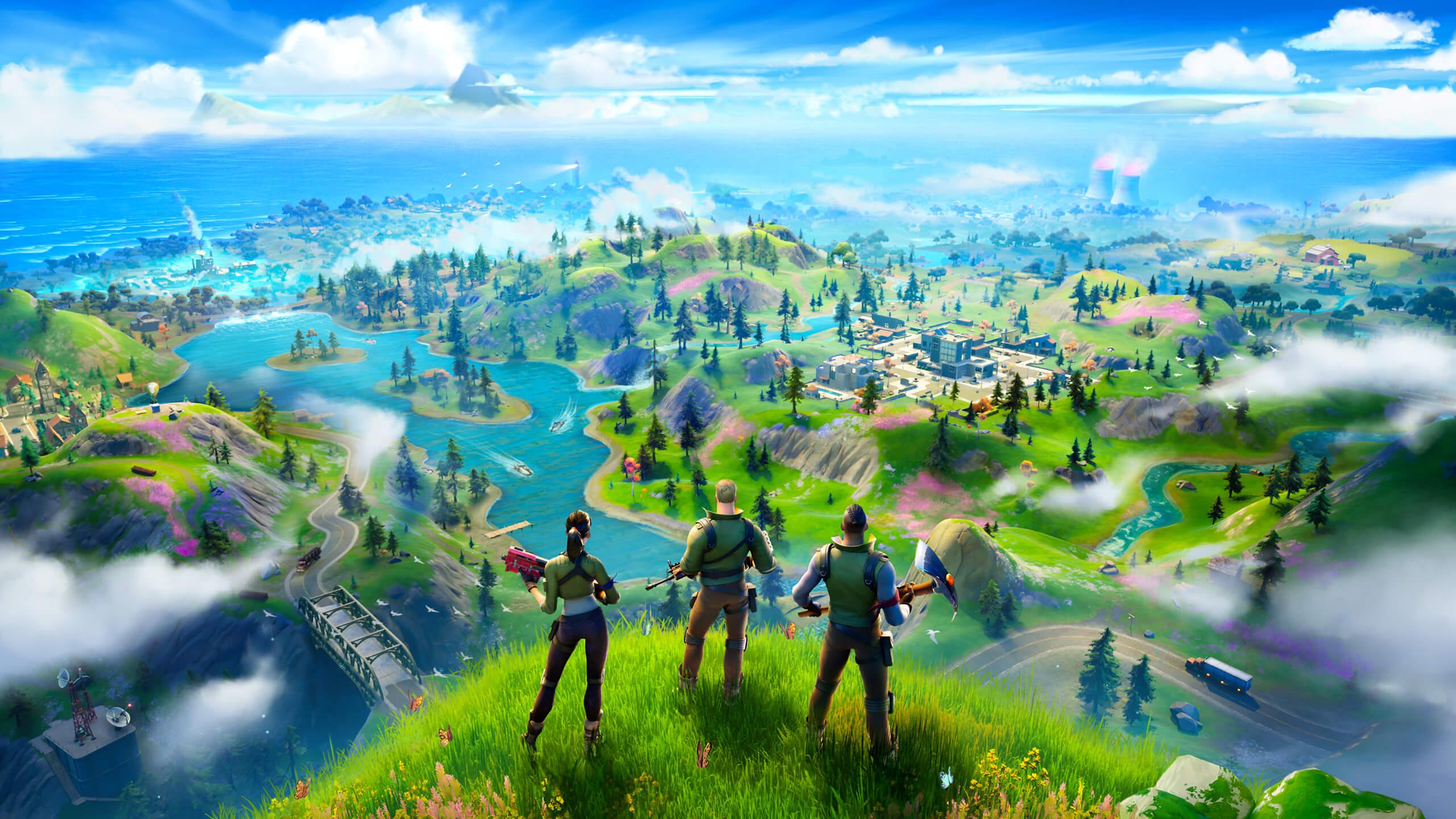
Fortnite Skins Everywhere: Epic's Bold Unreal Engine 6 Vision Could Reshape Gaming Identity Forever
18 JUNE, 2026 - Fortnite Battle Royale

Image via Epic Games
Epic Games has unveiled what might be the most ambitious cross-game integration system ever conceived, and it centers on something players already own millions of: Fortnite skins. With the announcement of Unreal Engine 6, the company is betting big on a future where your digital cosmetics aren't locked to a single game but can travel with you across the entire gaming landscape. It's a concept that sounds like science fiction, but Epic is positioning it as the natural evolution of gaming identity.
Tim Sweeney, the outspoken CEO of Epic Games, has long championed the idea of a more interconnected gaming ecosystem. Now, with Unreal Engine 6, his company is putting the technical framework in place to make that vision a reality. The proposition is elegantly simple on the surface: if you've purchased a skin in Fortnite, you should be able to use that skin in any other Unreal Engine game that opts into the system. But beneath that simplicity lies a potentially transformative shift in how we think about digital ownership and gaming identity.
The implications of this technology extend far beyond cosmetic convenience. For years, players have accumulated vast libraries of digital items across multiple games, each existing in its own isolated silo. Your legendary skin in one game has zero value or presence in another, even if both games run on identical technology. Epic is essentially proposing to tear down those walls, creating a unified ecosystem where your gaming identity persists regardless of which title you're playing.
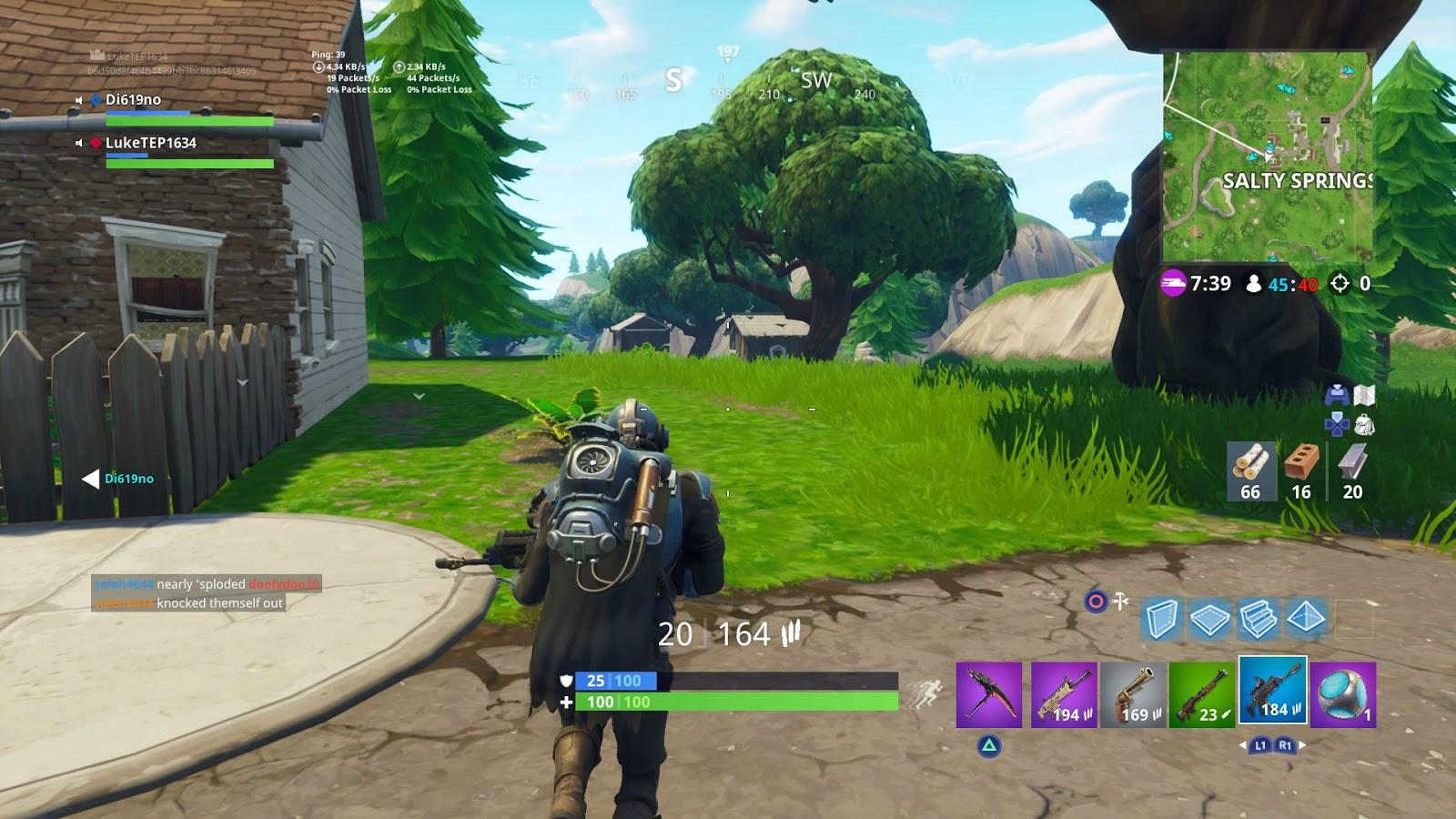
The technical implementation will reportedly work through Epic's existing account system, which already serves as the backbone for Fortnite's massive player base. Developers using Unreal Engine 6 will have the option to enable cross-game cosmetic compatibility, allowing players to bring their Fortnite purchases into new experiences. The system appears designed to be opt-in for developers, which could prove crucial in convincing studios to participate.
From a business perspective, the move is characteristically aggressive from Epic. The company has spent years building Fortnite into one of the most profitable games in history, with its cosmetic marketplace generating billions in revenue. By making those purchases more valuable through expanded utility, Epic creates an even stronger incentive for players to invest in Fortnite's ecosystem. Why buy a skin that only works in one game when you could buy a Fortnite skin that works everywhere?
The strategy also serves as a powerful draw for developers considering which engine to use for their next project. Unreal Engine already dominates the AAA landscape, but this feature could make it virtually mandatory for studios wanting to tap into the massive audience of Fortnite players who might be enticed by the prospect of using their existing cosmetics in new games. It's a network effect that could prove incredibly difficult for competitors to match.
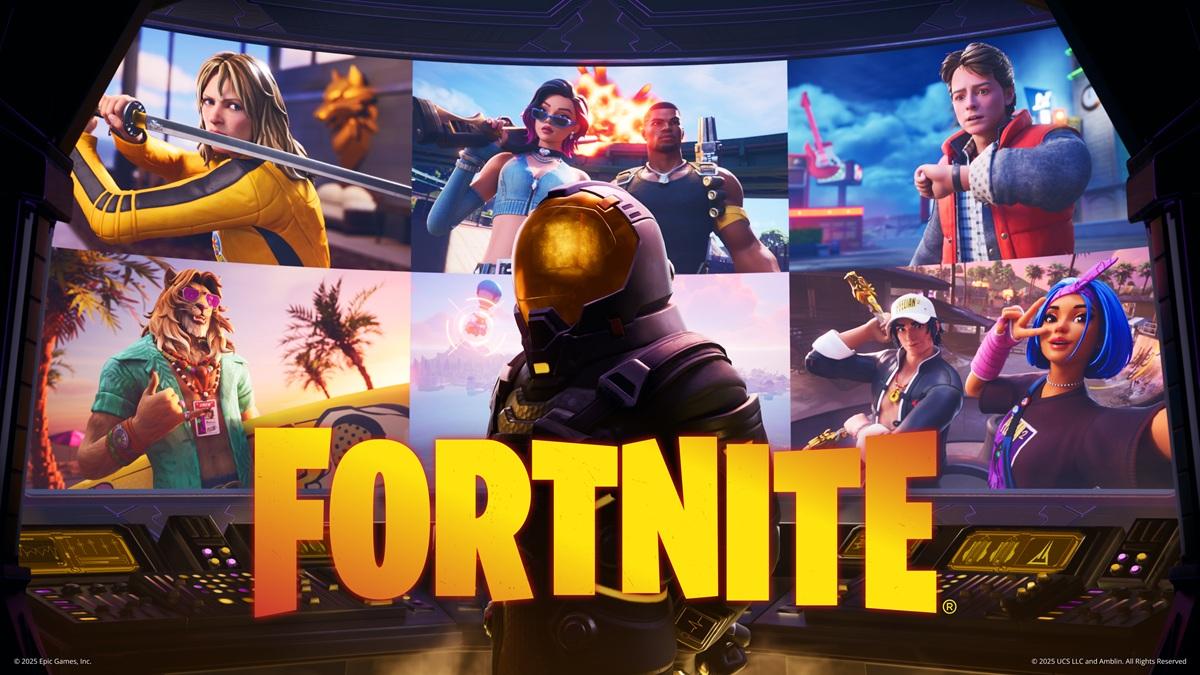
However, significant questions remain about how this system will work in practice. Character proportions, art styles, and animation rigs vary dramatically between games. A skin designed for Fortnite's stylized aesthetic might look jarringly out of place in a realistic military shooter or a dark fantasy RPG. Epic will need to address these technical and artistic challenges if the feature is to feel seamless rather than gimmicky.
There's also the matter of licensing. Fortnite's marketplace is filled with crossover skins featuring characters from Marvel, Star Wars, and countless other franchises. The legal complexities of allowing a Spider-Man skin to appear in games beyond Fortnite seem staggering, suggesting that at least some cosmetics will likely remain restricted to their original context.
The gaming community's reaction has been predictably divided. Some players are excited about the prospect of their purchases gaining additional value and utility, seeing it as a step toward the kind of persistent digital identity that the metaverse concept has long promised. Others express concern about the homogenization of gaming aesthetics and the potential for immersion-breaking moments when a Fortnite banana skin shows up in an otherwise serious game.

Developers, too, have mixed feelings. While the potential player engagement benefits are obvious, some worry about maintaining artistic coherence in their carefully crafted worlds. The opt-in nature of the system provides some reassurance, but the pressure to participate could prove difficult to resist if players come to expect cross-game cosmetic compatibility as standard.
What's undeniable is that Epic continues to push boundaries in ways that force the industry to respond. Whether this particular innovation becomes the standard or remains a niche curiosity will depend largely on execution and adoption. But the company's track record suggests it would be unwise to bet against them.
As Unreal Engine 6 moves toward release, the gaming industry will be watching closely. If Epic can successfully implement this cross-game cosmetic system while addressing the technical and artistic challenges it presents, we might look back on this announcement as a pivotal moment in gaming history. The walls between our gaming experiences may finally be coming down, one skin at a time.