EA Sports College Football 27 Launches to Furious Backlash as Microtransactions Lock Single-Player Content Behind Paywall
9 JULY, 2026
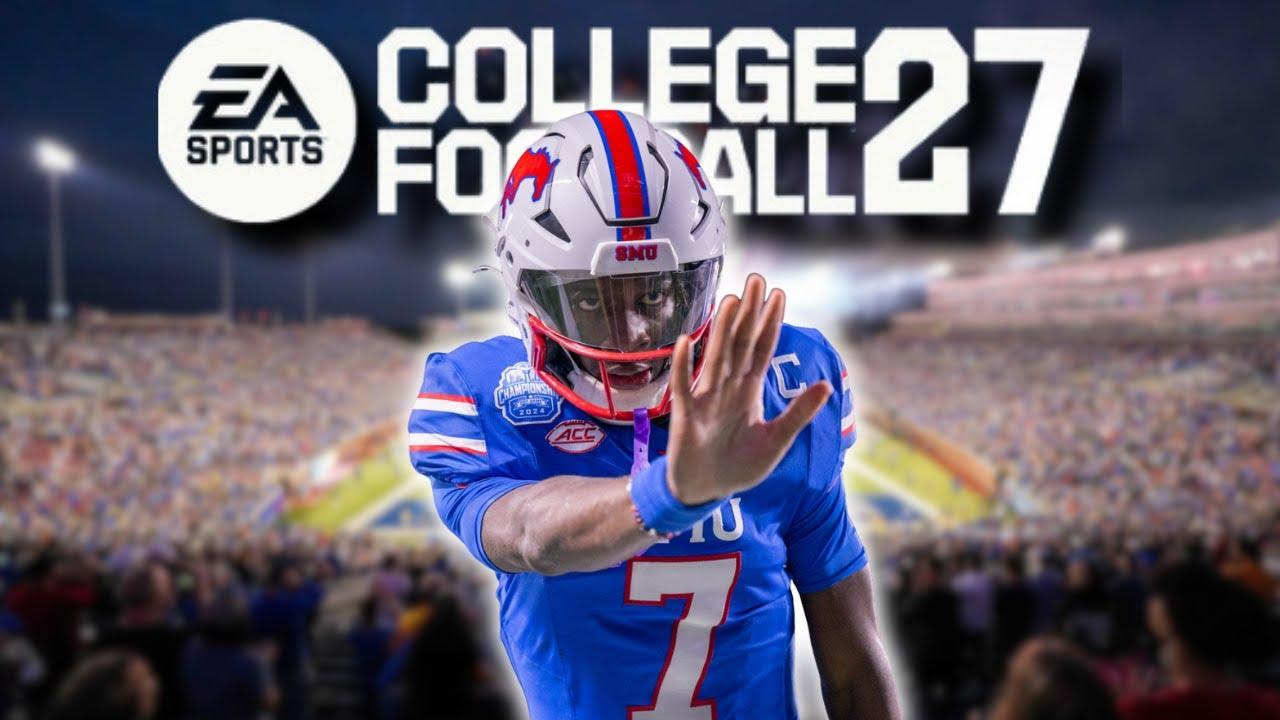
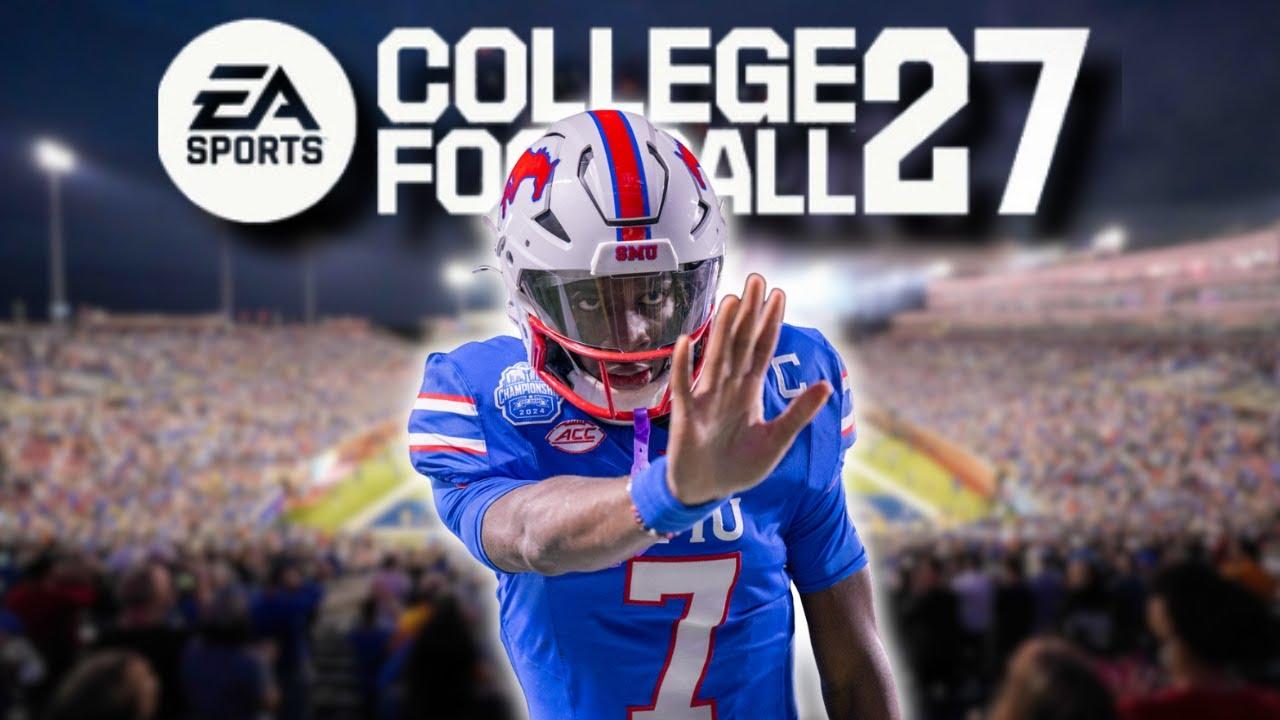
Electronic Arts has once again found itself at the center of a firestorm as EA Sports College Football 27 has earned a devastating "Mostly Negative" rating on Steam within just 24 hours of its release. The culprit? A controversial monetization scheme that locks substantial single-player content behind microtransactions in a game that already carries a premium $70 price tag. The backlash has been swift, vocal, and serves as yet another reminder of the gaming community's growing frustration with aggressive monetization practices.
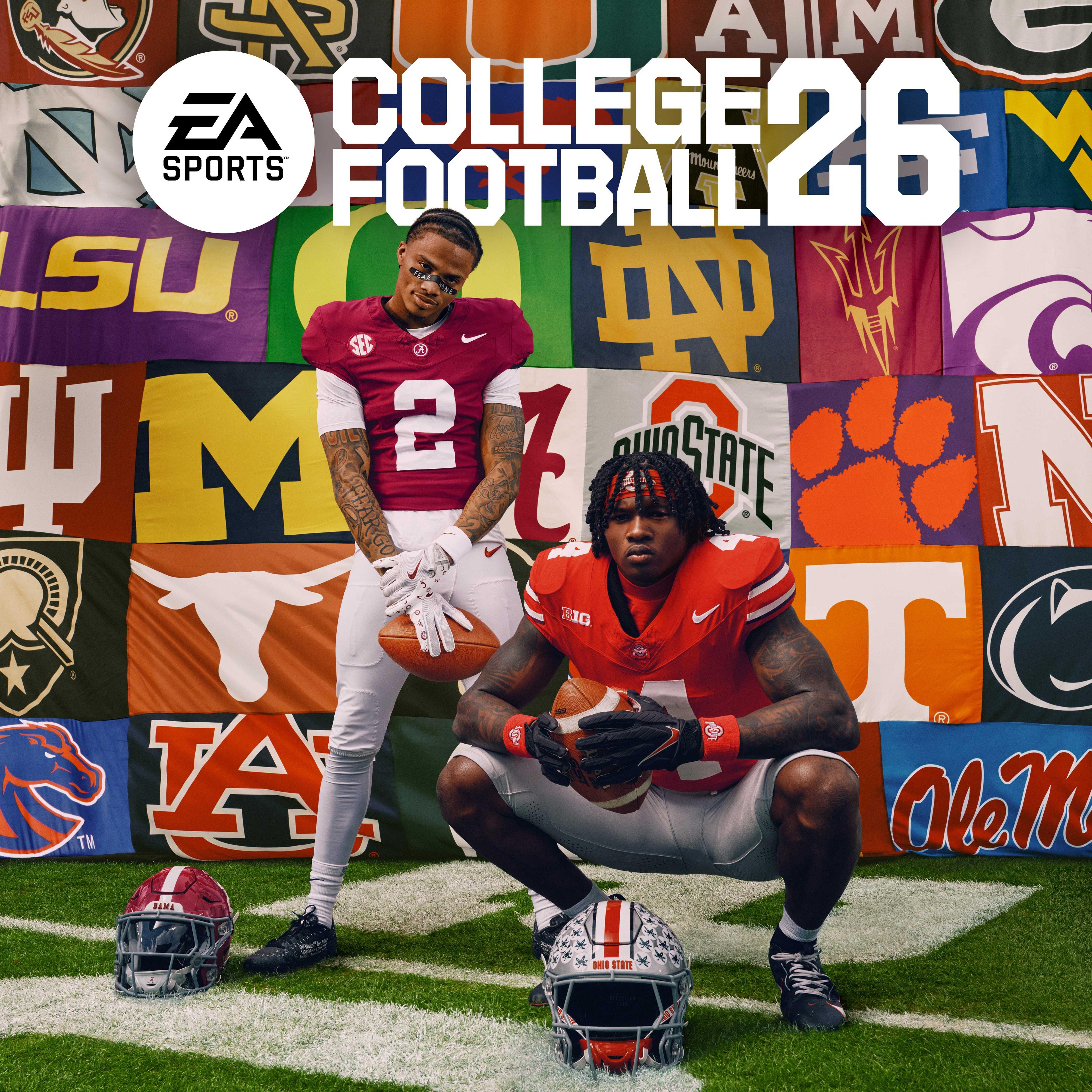
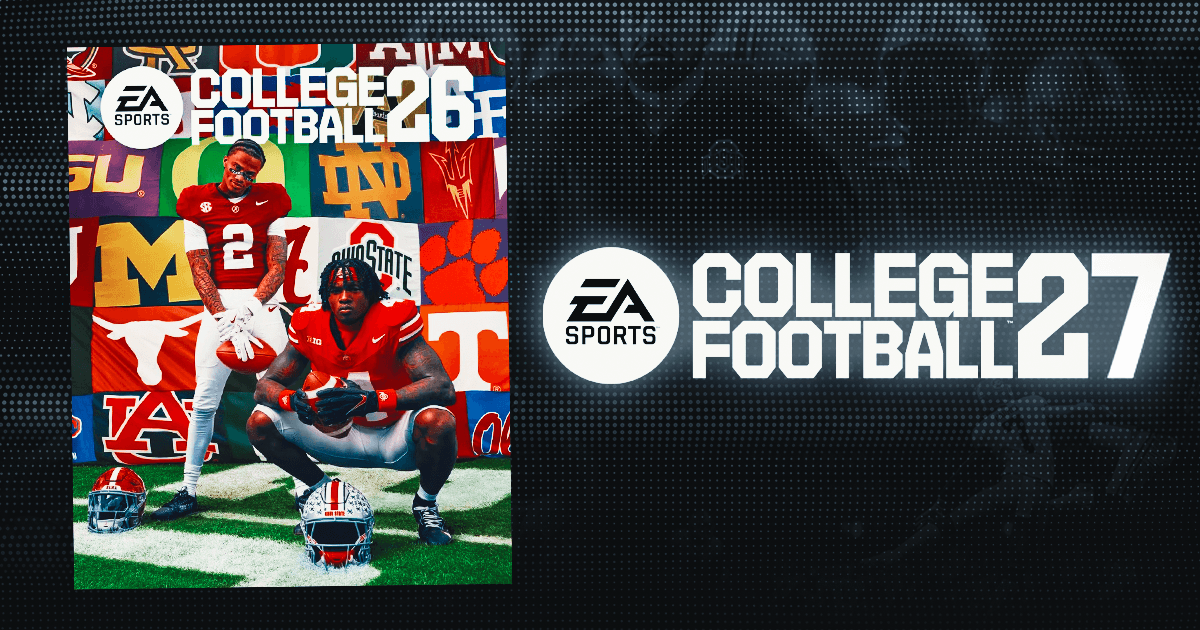
The return of the beloved college football franchise was supposed to be a triumphant moment for EA Sports. After EA Sports College Football 25 marked the series' long-awaited comeback following a decade-long hiatus, expectations were high for the sequel to build upon that foundation. Instead, the company appears to have used the goodwill generated by last year's revival as an opportunity to push monetization boundaries further than ever before, and players are not having it.
The controversy centers on Dynasty Mode, one of the franchise's most cherished single-player experiences. Players have discovered that certain coaching upgrades, recruiting perks, and even specific playbooks are locked behind a premium currency system. While the currency can technically be earned through gameplay, the grind required is so extensive that many view it as functionally impossible without opening their wallets. This represents a dramatic departure from previous iterations of the franchise, where these features were simply part of the core game experience.
Steam reviews have been absolutely scathing. One particularly popular review reads: "I paid $70 for the privilege of being asked to pay more money. My dynasty coach apparently needs me to fork over real cash to unlock basic recruiting tools that were free in NCAA Football 14 over a decade ago." Another user pointed out the irony of monetizing a game built around the likenesses of college athletes who only recently gained the right to be compensated for their participation in these games.
The timing of this release could not be worse for EA. The gaming industry has seen a notable pushback against live-service elements and aggressive monetization in premium titles over the past year. Games like Suicide Squad: Kill the Justice League and other titles that prioritized monetization over player experience have faced commercial disappointment. Yet EA appears to have learned nothing from these cautionary tales, instead doubling down on practices that alienate their most dedicated customers.
Industry analysts have expressed surprise at the boldness of EA's approach. The college football gaming space has essentially no competition, with EA holding exclusive rights to produce games featuring real universities, conferences, and now player likenesses. This monopoly position may have emboldened the publisher to test just how far they can push their monetization strategy, but the immediate backlash suggests they may have badly miscalculated.
What makes this situation particularly frustrating for fans is the quality of the underlying game. Early reviews of the actual gameplay mechanics have been largely positive, with improvements to the physics engine, presentation, and AI receiving praise. The Road to Glory mode, which allows players to experience a career as a college athlete, has been singled out as genuinely excellent. This makes the monetization decisions all the more baffling, as EA has seemingly sabotaged a quality product with predatory business practices.
The response on social media has been explosive. The hashtag "BoycottEASports" began trending within hours of the game's release, with players sharing screenshots of the various paywalls they've encountered. Content creators who received early copies have expressed regret for initially positive previews that didn't have access to the full monetization system. The community feels blindsided, and trust in EA has once again been severely damaged.
EA has remained largely silent in the face of the criticism, offering only a brief statement acknowledging they are "listening to player feedback." This non-response has only further inflamed the situation, with players demanding concrete changes rather than corporate platitudes. Some are calling for refunds, while others are warning potential buyers to wait and see if EA makes meaningful adjustments before purchasing.
This controversy arrives at an interesting moment for the sports gaming genre. With competitors like 2K Sports also facing criticism for their monetization practices, there's a growing sense that something fundamental needs to change in how these games are designed and sold. Players are increasingly unwilling to accept being treated as ongoing revenue streams rather than customers who have already paid full price for a complete product.
Whether EA will respond with meaningful changes remains to be seen. The company has a mixed history of walking back controversial decisions, sometimes removing or adjusting systems that face significant backlash, while other times simply weathering the storm until attention moves elsewhere. Given the strength of the college football brand and the lack of alternatives, EA may be betting that fans will eventually accept these conditions simply because they have no other options.
For now, EA Sports College Football 27 stands as a cautionary tale about corporate overreach and the dangers of taking a loyal fanbase for granted. The game itself may be solid, but no amount of on-field excellence can compensate for monetization practices that feel designed to extract every possible dollar from players who have already paid premium prices. The message from the gaming community is clear: enough is enough.