EA Reverses Course On College Football 27 Microtransactions Following Player Revolt
12 JULY, 2026
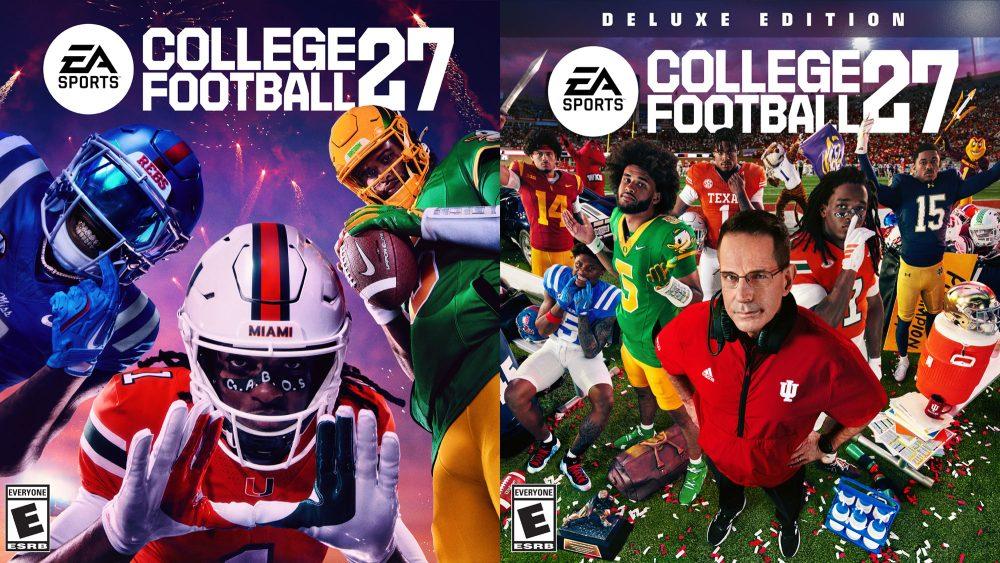
Image via EA Sports
In a stunning reversal that demonstrates the growing power of consumer backlash in the gaming industry, Electronic Arts has announced it will be walking back controversial microtransaction plans for its upcoming College Football 27 title. The decision comes after a massive wave of criticism from fans who felt the publisher was pushing monetization too far in its beloved college football franchise.
The controversy erupted last week when EA revealed details about the game's Ultimate Team mode, which included plans for aggressive pay-to-win mechanics that would have significantly impacted competitive play. Players immediately took to social media, Reddit forums, and gaming communities to voice their displeasure, with hashtags calling for boycotts trending on multiple platforms. Within days, the backlash had reached a fever pitch that EA could no longer ignore.
The original microtransaction structure drew comparisons to some of the most criticized monetization schemes in gaming history. Players were particularly outraged by a proposed system that would have locked certain star player archetypes behind premium currency purchases, effectively creating a two-tiered experience where those willing to spend additional money would have substantial advantages in online competition.
In a statement released yesterday, EA Sports executive vice president and general manager Daryl Holt acknowledged the company had missed the mark. The statement read in part that the team had listened carefully to feedback from the passionate college football community and recognized that the proposed monetization approach did not align with the experience players deserve. Holt went on to explain that EA would be restructuring the Ultimate Team economy to ensure competitive integrity while still offering optional cosmetic purchases for those who want them.

The reversal marks a significant moment in the ongoing tension between publishers seeking to maximize revenue through live service models and players who increasingly push back against perceived exploitation. It also represents a notable evolution for EA, a company that has historically weathered microtransaction controversies without making substantial changes to its approach.
The infamous Star Wars Battlefront 2 debacle of 2017 remains fresh in many gamers' minds. That game's launch was marred by a pay-to-win progression system that sparked such intense backlash it attracted the attention of government regulators and forever changed the conversation around loot boxes in gaming. EA eventually overhauled Battlefront 2's systems, but only after sustaining significant damage to its reputation and the game's commercial performance.
Industry analysts suggest this latest reversal indicates EA has learned from past mistakes and is now more willing to respond quickly to community concerns. The speed of the turnaround is particularly noteworthy, as major publishers typically take weeks or months to acknowledge criticism, let alone implement changes. In this case, EA moved to address the situation within roughly seventy-two hours of the initial backlash reaching critical mass.
The College Football series holds a special place in gaming history, and its return has been eagerly anticipated by millions of fans. EA College Football 25, released last year after more than a decade-long hiatus, was met with enthusiasm despite some technical issues at launch. The game's success demonstrated the enduring appetite for college football gaming experiences and made the franchise a valuable property that EA clearly cannot afford to mishandle.
What makes this situation particularly instructive is how quickly organized consumer action can now influence corporate decision-making. Social media platforms have given players unprecedented ability to coordinate responses to unpopular business practices, and the threat of viral negative publicity has become a powerful deterrent against the most egregious monetization schemes.
The revised monetization plan for College Football 27 will reportedly focus primarily on cosmetic items such as alternate uniforms, stadium customization options, and celebration animations. Gameplay-affecting content will be earnable through in-game progression, with premium currency offering only time-saving conveniences rather than competitive advantages. This approach mirrors the monetization philosophy that has proven successful for titles like Fortnite and has become something of an industry standard for games that maintain healthy player relationships.
Consumer advocacy groups and gaming communities have celebrated the decision as a victory for player rights. Several prominent gaming personalities who had been vocal critics of the original plans have since praised EA for listening to feedback, though many remain cautiously optimistic and are waiting to see how the final product actually implements these changes.
The incident also raises broader questions about the sustainability of increasingly aggressive monetization strategies in the gaming industry. As players become more sophisticated in their understanding of these systems and more organized in their opposition, publishers may find diminishing returns in pushing the boundaries of acceptable microtransaction practices.
For now, the College Football community can breathe easier knowing their concerns were heard. Whether this represents a genuine shift in EA's approach to monetization or simply a tactical retreat in one high-profile case remains to be seen. What is certain is that the power dynamic between publishers and players continues to evolve, and this latest episode demonstrates that organized consumer voices can still make a difference in shaping the games they love.