Dragon Quest II (1987)

Dragon Quest II (1987)

Enix
Release date: 1987-01-26 | Platforms: NES, GAME_BOY_COLOR, NINTENDO_SWITCH.

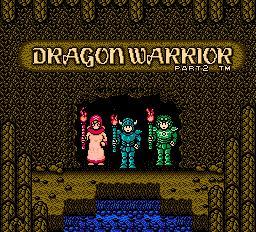
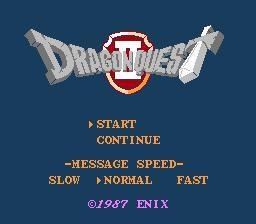
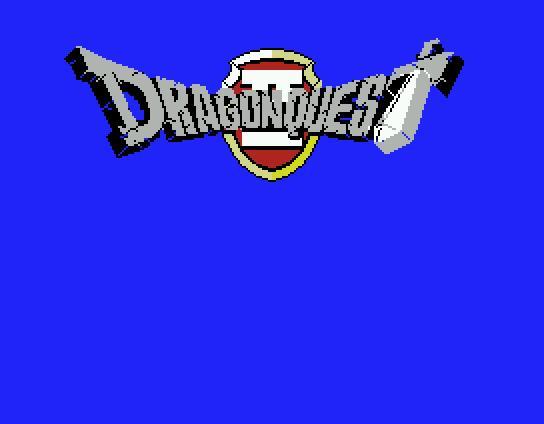
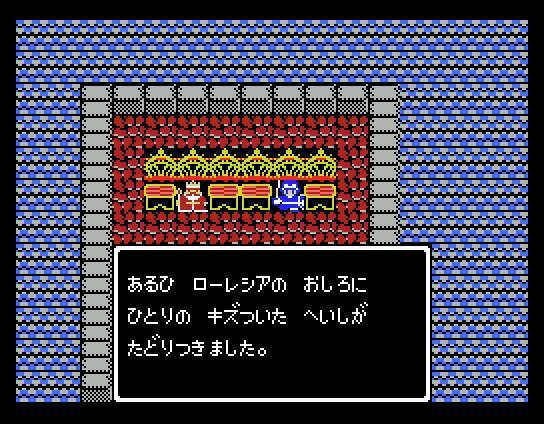
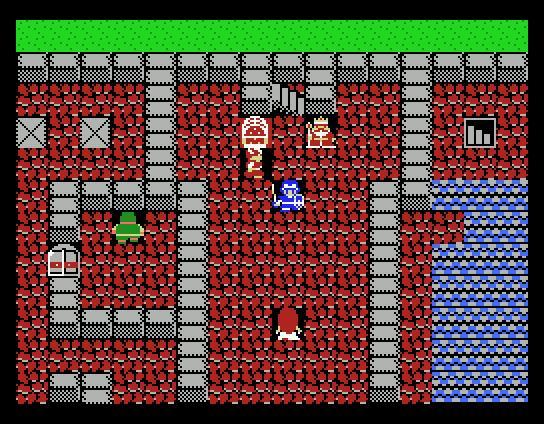
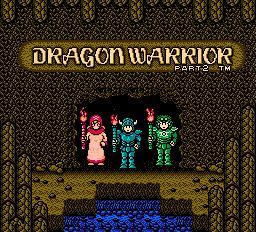
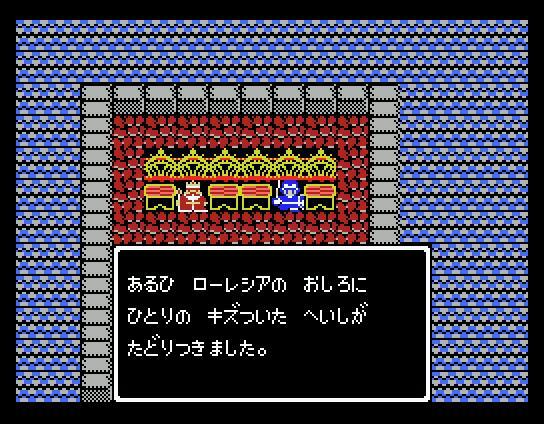
Dragon Quest II: Luminaries of the Legendary Line is a role-playing video game (RPG) developed by Chunsoft and published by Enix in 1987 for the Family Computer (or Famicom) as a part of the Dragon Quest series. Enix's U.S. subsidiary published the American version of Dragon Quest II for the Nintendo Entertainment System (or NES) in 1990. Dragon Quest II is set one hundred years after the events of the first game.
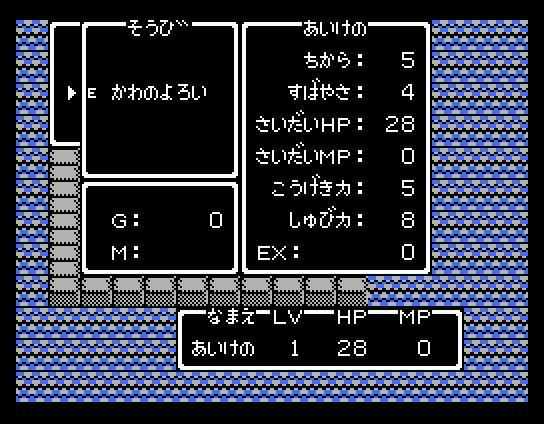
The game's story centers on the prince of Midenhall, who is ordered to stop an evil wizard named Hargon after Hargon destroys Moonbrooke Castle. On his adventure, he is accompanied by his two cousins, the prince of Cannock and the princess of Moonbrooke. Dragon Quest II greatly expands on the series formula from the first game by having a larger party, more areas to explore, multiple heroes and enemies in a battle, and a sailing ship. The game's successor, Dragon Quest III: And Into the Legend..., follows the ancestor of the main characters, the legendary hero Erdrick; and the three games are collectively called "Erdrick Saga Trilogy".
Planning began a month before the original Dragon Quest was released. One major goal was the development of a more exciting combat system, which was inspired by similar multi-character party systems such as the one found in Wizardry. The artwork that was used as the basis for the characters and monsters was painted by Akira Toriyama and then translated into pixel art. The game was hit with delays due to game balance, which were only fully corrected in the early sections of the game. This, combined with a staff that included students not familiar with the coding and debugging process, pushed back the release by a month. The developers also had many ideas that had to be discarded due to the technical limitations of the Famicom system, though some were later incorporated into subsequent remakes and the game's sequel, Dragon Quest III.
Dragon Quest II was successful in Japan; the original Famicom version shipped 2.4 million copies. Later, the game was remade for the Super Famicom and the Game Boy Color and combined with the original Dragon Quest game in a release entitled Dragon Quest I & II. A version of the game for Android and iOS was released in Japan on June 26, 2014 and worldwide on October 9, 2014, as Dragon Quest II: Luminaries of the Legendary Line. The game was praised for improving on almost all aspects of the original, including having better graphics, having a larger world to explore, and more characters to participate in a more dynamic combat system. It was also known as one of the most difficult Dragon Quest games, especially late game, and retained that reputation despite adjustments made when it was ported to other platforms.
Found a mistake?
Background

FEATURED GAMES

DRAGON QUEST HEROES II
PART OF SERIES
DRAGON QUEST HEROES II
Dragon Quest Builders 2
PART OF SERIES
Dragon Quest Builders 2
DRAGON QUEST XI: Echoes of an Elusive Age
PART OF SERIES
DRAGON QUEST XI: Echoes of an Elusive Age
Dragon Quest VII: Fragments of the Forgotten Past
PART OF SERIES
Dragon Quest VII: Fragments of the Forgotten Past
Dragon Quest Monsters: Joker 3
PART OF SERIES
Dragon Quest Monsters: Joker 3
DRAGON QUEST BUILDERS
PART OF SERIES
DRAGON QUEST BUILDERS
DRAGON QUEST HEROES: The World Tree's Woe and the Blight Below
PART OF SERIES
DRAGON QUEST HEROES: The World Tree's Woe and the Blight Below
Dragon Quest Monsters 2: Iru to Ruka no Fushigi na Fushigi na Kagi
PART OF SERIES
Dragon Quest Monsters 2: Iru to Ruka no Fushigi na Fushigi na Kagi
Dragon Quest X
PART OF SERIES
Dragon Quest X
Dragon Quest Monsters: Terry's Wonderland 3D
PART OF SERIES
Dragon Quest Monsters: Terry's Wonderland 3D
Slime MoriMori Dragon Quest 3: Daikaizoku to Shippo Dan
PART OF SERIES
Slime MoriMori Dragon Quest 3: Daikaizoku to Shippo Dan
Dragon Quest Monsters: Joker 2
PART OF SERIES
Dragon Quest Monsters: Joker 2
Dragon Quest Monsters: Joker 2 Professional
PART OF SERIES
Dragon Quest Monsters: Joker 2 Professional
Dragon Quest VI: Realms Of Revelation
PART OF SERIES
Dragon Quest VI: Realms Of Revelation
Dragon Quest: Monster Battle Road Victory
PART OF SERIES
Dragon Quest: Monster Battle Road Victory
Dragon Quest Wars
PART OF SERIES
Dragon Quest Wars
Dragon Quest IX: Sentinels of the Starry Skies
PART OF SERIES
Dragon Quest IX: Sentinels of the Starry Skies
Dragon Quest V: Hand of the Heavenly Bride
PART OF SERIES
Dragon Quest V: Hand of the Heavenly Bride
Dragon Quest IV: Chapters of the Chosen
PART OF SERIES
Dragon Quest IV: Chapters of the Chosen
Dragon Quest Monsters: Joker
PART OF SERIES
Dragon Quest Monsters: Joker
Dragon Quest Heroes: Rocket Slime
PART OF SERIES
Dragon Quest Heroes: Rocket Slime
Dragon Quest VIII: Journey of the Cursed King
PART OF SERIES
Dragon Quest VIII: Journey of the Cursed King
Slime MoriMori Dragon Quest: Shōgeki no Shippo Dan
PART OF SERIES
Slime MoriMori Dragon Quest: Shōgeki no Shippo Dan
Dragon Quest Monsters: Caravan Heart
PART OF SERIES
Dragon Quest Monsters: Caravan Heart
Dragon Quest Characters: Torneko no Daibōken 3
PART OF SERIES
Dragon Quest Characters: Torneko no Daibōken 3
Dragon Quest 7
PART OF SERIES
Dragon Quest 7
Torneko: The Last Hope
PART OF SERIES
Torneko: The Last Hope
Dragon Quest 6: Realms of Revelation
PART OF SERIES
Dragon Quest 6: Realms of Revelation
Torneko's Great Adventure: Mystery Dungeon
PART OF SERIES
Torneko's Great Adventure: Mystery Dungeon
DRAGON QUEST V
PART OF SERIES
DRAGON QUEST V
Dragon Quest III (1988)
PART OF SERIES
Dragon Quest III (1988)
Dragon Quest II (1987)
PART OF SERIES
Dragon Quest II (1987)
Dragon Quest (1986)
PART OF SERIES
Dragon Quest (1986)
Dragon Quest XII: The Flames of Fate
PART OF SERIES
Dragon Quest XII: The Flames of Fate
Dragon Quest: Shounen Yangus to Fushigi no Dungeon
PART OF SERIES
Dragon Quest: Shounen Yangus to Fushigi no Dungeon
Dragon Quest: Monster Battle Scanner
PART OF SERIES
Dragon Quest: Monster Battle Scanner

DEVELOPERS

Background for Yukinobu Chida
Yukinobu Chida

Yukinobu Chida

producer

Yukinobu Chida is a games producer. Chida has been working with Square Enix, Sony Interactive Entertainment, Core Design and Level 5. Chida started in 1986 as the producer of Dragon Quest (1986). After that, Yukinobu Chida took part as the producer of Dragon Quest II (1987). Later, Chida also was part of the team who developed Tomb Raider 3: Adventures of Lara Croft published by Square Enix for PC and PlayStation. The latest work of Yukinobu Chida was Dragon Quest III HD-2D Remake, published in 2024.

Background for Koichi Nakamura
Koichi Nakamura

Koichi Nakamura

director,programmer

Koichi Nakamura is a games director, producer, designer and programmer. Nakamura has been working with Square Enix, Abstraction Games, Spike Chunsoft and Level 5. Nakamura started in 1983 as the designer of Door Door. Then, Koichi Nakamura went on to work on Dragon Quest (1986) as the director. Nakamura also worked on 428: Shibuya Scramble developed by Abstraction Games for PC, PlayStation 4, iOS and Android. The latest work of Koichi Nakamura was Dragon Quest III HD-2D Remake, published in 2024. Now, Nakamura has joined the team of Pokémon Mystery Dungeon: Adventure Team as the producer.

Background for Yuji Horii
Yuji Horii

Yuji Horii

designer

Yuji Horii is a games writer, director, producer and designer. Horii has been working with Square Enix, Sony Interactive Entertainment, Square and Spike Chunsoft. Horii's first published game was Portopia Renzoku Satsujin Jiken released in 1985. After that, Yuji Horii took part as the designer of Dragon Quest (1986). Later, Horii also was part of the team who developed Dragon Quest V: Hand of the Heavenly Bride published by Square Enix for Nintendo DS. Most recently, Yuji Horii was involved in the development of Dragon Quest VII Reimagined. At the moment, Horii is working on Dragon Quest I & II.

Background for Koichi Sugiyama
Koichi Sugiyama

Koichi Sugiyama

composer

Koichi Sugiyama is a games composer who started the games industry career in 1900. Since then, Sugiyama has been working with Square Enix, Koei Tecmo, Square and Spike Chunsoft. Sugiyama started as the composer of Monopoly 2. Then, Koichi Sugiyama went on to work on Dragon Quest (1986) as the composer. Later, Sugiyama also was part of the team who developed Torneko: The Last Hope published by Enix for PlayStation and Game Boy Advance. Most recently, Koichi Sugiyama was involved in the development of Dragon Quest VII Reimagined. Now, Sugiyama has joined the team of Dragon Quest I & II as the composer.

Background for Akira Toriyama
Akira Toriyama

Akira Toriyama

artist

Akira Toriyama is a games writer, artist and designer. Toriyama has been working with Square Enix, Sony Interactive Entertainment, BANDAI NAMCO Entertainment America and QLOC. Toriyama's first published game was Dragon Quest (1986) released in 1986. Next, Akira Toriyama worked on Dragon Quest II (1987) taking on the role of artist. Toriyama also worked on DRAGON QUEST XI: Echoes of an Elusive Age developed by Square Enix for PC, Xbox One, PlayStation 4 and Nintendo Switch. Most recently, Akira Toriyama was involved in the development of Dragon Quest VII Reimagined. Now, Toriyama has joined the team of Dragon Quest: Shounen Yangus to Fushigi no Dungeon as the artist.