CD Projekt Red's Redemption Arc: Why The Witcher 4 Carries the Weight of Cyberpunk 2077's Broken Promises
21 JUNE, 2026 - The Witcher IV
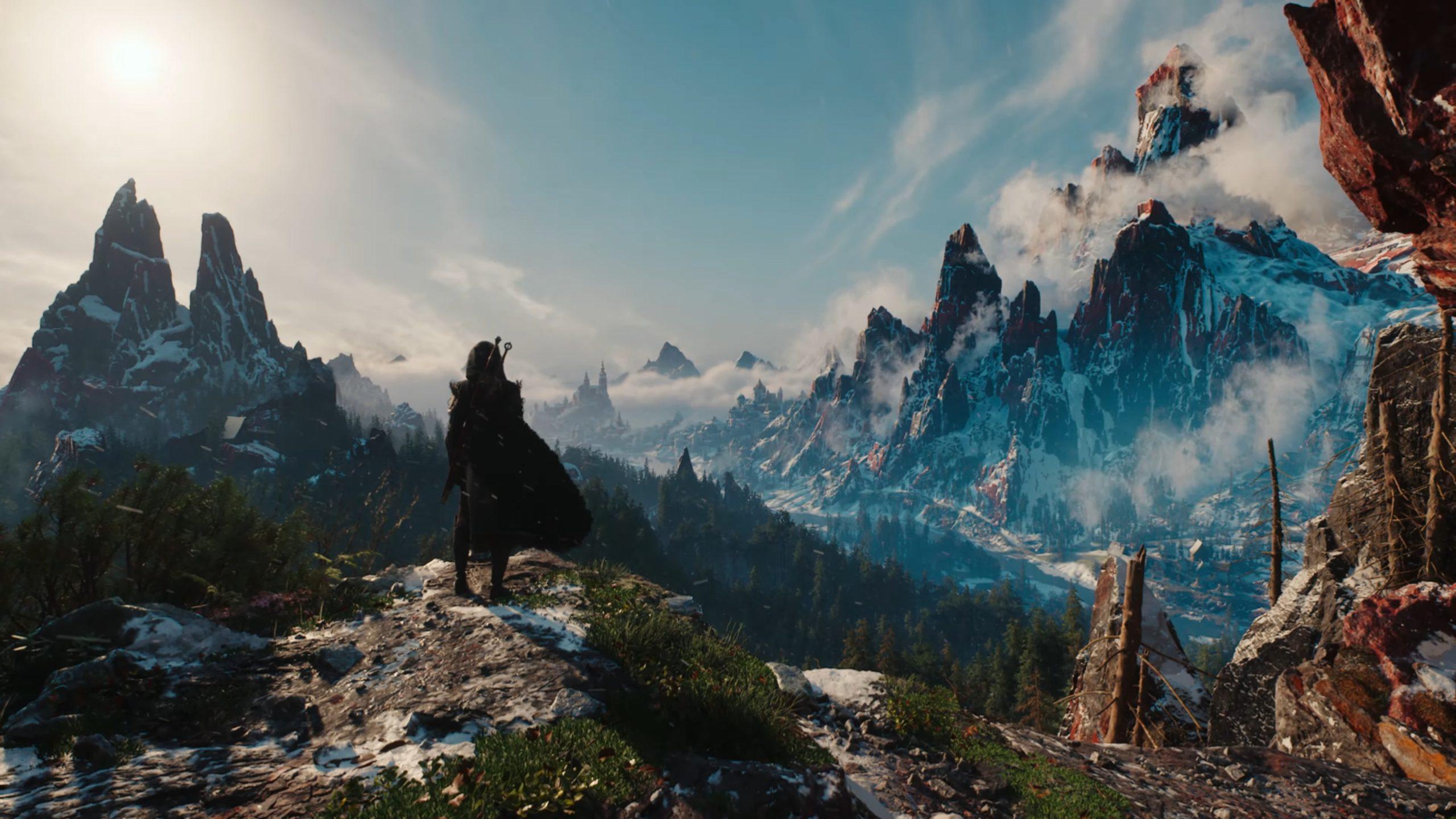
Image via CD Projekt Red
In the world of video game development, few launches have been as catastrophic—or as publicly humiliating—as Cyberpunk 2077's debut in December 2020. The game that promised to revolutionize open-world RPGs instead became a cautionary tale about overpromising and underdelivering. Now, nearly five years later, CD Projekt Red's co-CEO has openly acknowledged the studio's desire to win back the trust of players who felt burned by that experience, pinning those hopes squarely on The Witcher 4.
In a recent interview, CD Projekt Red Co-CEO Michał Nowakowski described the Cyberpunk 2077 launch as "heartbreaking" for everyone at the studio. It's a remarkably candid admission from a company that once sat atop the gaming industry's goodwill rankings, having earned near-universal praise for The Witcher 3: Wild Hunt. That 2015 masterpiece set the gold standard for narrative-driven open-world games and established CD Projekt Red as a developer that truly understood what players wanted. The fall from grace that followed made the contrast even more painful.
For those who may have forgotten the scope of Cyberpunk 2077's troubled release, the game launched in a state that many considered borderline unplayable on PlayStation 4 and Xbox One consoles. Frame rates plummeted into single digits, game-breaking bugs proliferated, and the promised features that had been hyped for years were conspicuously absent. Sony took the unprecedented step of removing the game from the PlayStation Store entirely, offering full refunds to dissatisfied customers. It was a disaster of historic proportions for a game that had generated more pre-release hype than perhaps any title before it.
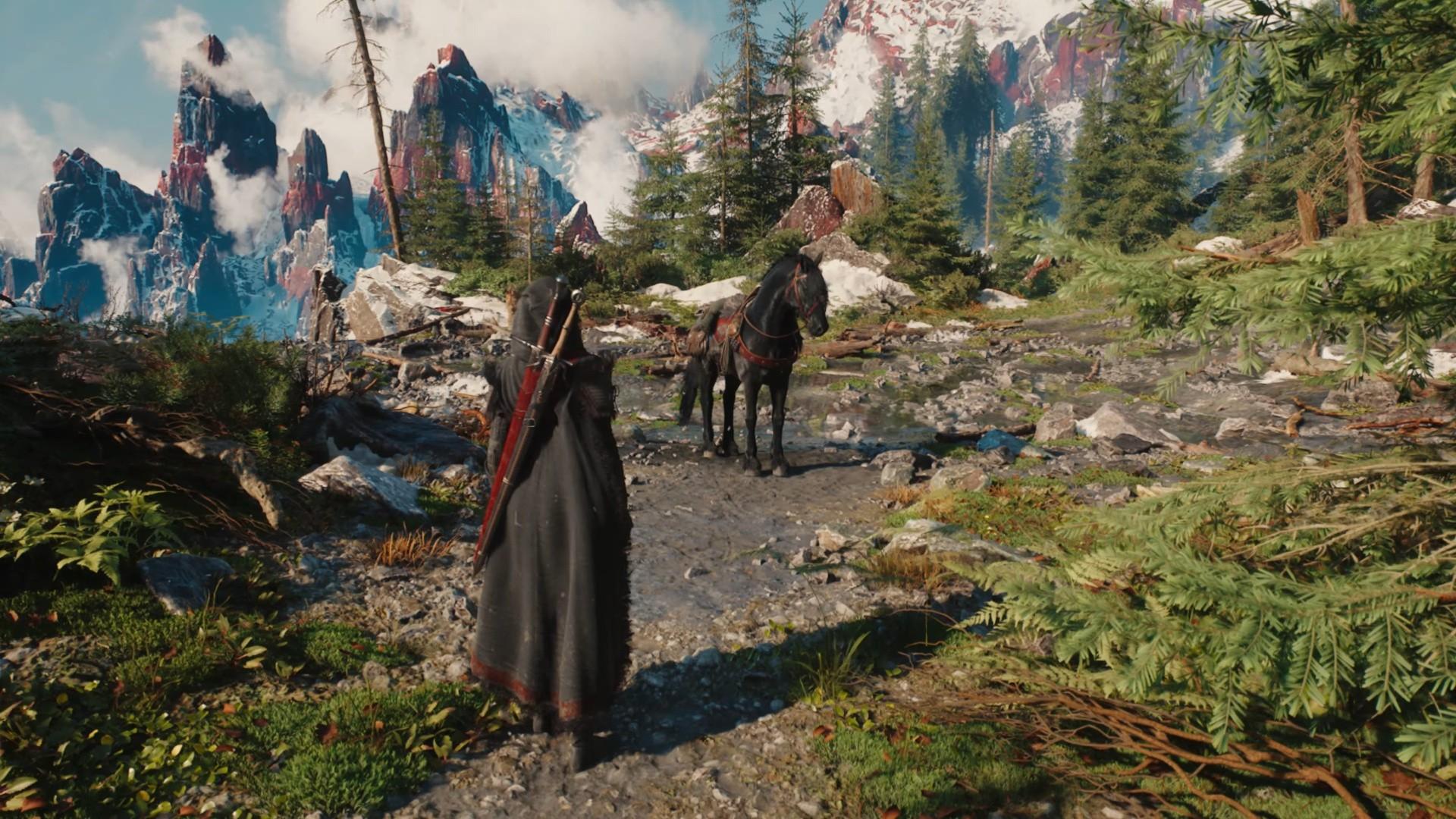
The road to recovery has been long and arduous. CD Projekt Red committed to fixing Cyberpunk 2077 through extensive patches and updates, eventually releasing the Phantom Liberty expansion in 2023 to widespread critical acclaim. The expansion, along with the 2.0 update that accompanied it, transformed the base game into something much closer to what players had originally expected. For many, it was too little too late. For others, it represented a genuine second chance.
This context makes Nowakowski's comments about The Witcher 4 all the more significant. The game isn't just another sequel in a beloved franchise—it's positioned as nothing less than a redemption project for an entire studio. The pressure on the development team must be immense. They're not simply making a game that needs to meet expectations; they're making a game that needs to restore faith in a company that broke promises to millions of fans.
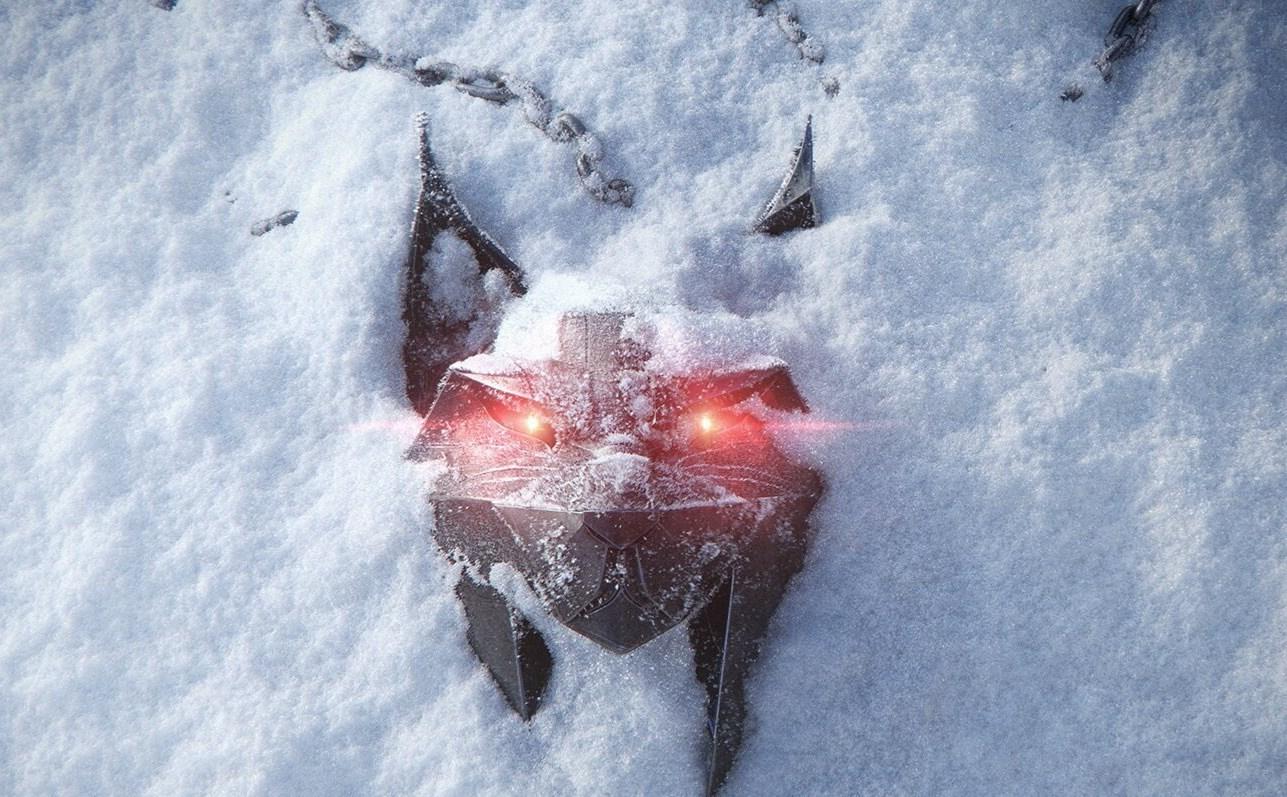
What we know about The Witcher 4 so far suggests CD Projekt Red is approaching the project with appropriate caution. The game will feature a new protagonist, with Ciri taking center stage after Geralt's story concluded in The Witcher 3. The studio has been transparent about using Unreal Engine 5 for development, a significant departure from their proprietary REDengine technology. This shift alone suggests lessons learned from Cyberpunk 2077, where the engine struggled to deliver on the game's ambitious scope.
The gaming community's response to CD Projekt Red's ongoing redemption narrative has been mixed but increasingly positive. Many players have returned to Cyberpunk 2077 following its updates and have found an experience worth their time. The Phantom Liberty expansion in particular demonstrated that the studio still possesses the storytelling chops that made The Witcher 3 so memorable. Trust, however, is earned slowly and lost quickly in this industry.
Perhaps the most interesting aspect of this situation is how it reflects broader trends in game development. The pressure to release games on schedule, often regardless of their actual state, has led to numerous high-profile disasters in recent years. CD Projekt Red's willingness to openly discuss their failures and express genuine desire to make amends stands in contrast to studios that release broken products and move on without acknowledgment.
The Witcher 4 represents more than just the next chapter in a fantasy saga. It's a test case for whether a studio can truly recover from a catastrophic failure. If CD Projekt Red delivers a polished, feature-complete game that lives up to its promises, it could establish a template for how developers can rebuild their reputations. If it stumbles again, the consequences could be terminal for the studio's standing in the industry.
For now, fans remain cautiously optimistic. The lessons of Cyberpunk 2077 loom large, and pre-orders are likely to be approached with far more skepticism than they were in 2020. But there's also genuine excitement about returning to the world of The Witcher under the guidance of a humbled, hopefully wiser development team. The heartbreak Nowakowski described was felt on both sides of the screen. Whether The Witcher 4 can heal those wounds remains to be seen, but the acknowledgment of past failures is at least a promising first step toward redemption.