Bungie Reportedly Considered Relaunching Destiny as 'Destiny Infinity' Before Sony Pulled the Plug on Destiny 2
29 MAY, 2026 - Destiny 2
Image via Bungie
The final days of Destiny 2 were apparently far more chaotic behind the scenes than anyone realized. According to new reports emerging from multiple sources familiar with Bungie's internal discussions, the beleaguered studio explored a radical pivot that would have seen the franchise completely rebooted under a new name: Destiny Infinity. The ambitious plan never materialized, as Sony ultimately decided to end Destiny 2's live service operations entirely, but the revelation offers a fascinating glimpse into the desperate measures Bungie considered to save its flagship franchise.
The reports, which surfaced across several gaming industry publications over the past 24 hours, paint a picture of a studio grasping for solutions as player engagement continued to decline and Sony's patience wore increasingly thin. Destiny Infinity was reportedly conceived as a complete reset of the franchise, maintaining the core gameplay loop that originally captivated millions while jettisoning years of accumulated narrative baggage and controversial design decisions that had alienated portions of the community.
Sources describe Destiny Infinity as something between a sequel and a soft reboot. The concept allegedly involved migrating the game to an entirely new engine, implementing a revised free-to-play model, and creating a fresh starting point that would be welcoming to new players while offering meaningful rewards for veterans who had invested thousands of hours into the original experience. Perhaps most intriguingly, the relaunch would have featured a completely restructured seasonal content model designed to address longstanding complaints about the expansion pricing and content vaulting that had become synonymous with Destiny 2's live service approach.
According to the reports, internal presentations for Destiny Infinity went as far as outlining a potential five-year roadmap and projected player acquisition targets that Bungie leadership believed could revitalize the franchise. The studio apparently saw the rebrand as an opportunity to distance the game from negative perceptions that had accumulated over Destiny 2's troubled final years, which included controversial expansions, repeated layoffs, and an increasingly vocal community expressing frustration with the game's direction.
The timing of these discussions is particularly significant. They reportedly occurred during the same period that Bungie was experiencing its most dramatic workforce reductions, with Sony implementing multiple rounds of layoffs that saw hundreds of employees lose their positions. The juxtaposition of ambitious reboot plans against a backdrop of devastating cuts speaks to the contradictory pressures facing the studio as it tried to chart a path forward under Sony's ownership.
Industry analysts suggest that Destiny Infinity represented Bungie's best attempt at convincing Sony that the franchise still had significant commercial potential worth pursuing. The live service shooter market has become increasingly crowded and competitive, with titles like Helldivers 2 demonstrating that there remains substantial appetite for cooperative online experiences when executed properly. Bungie's pitch for Destiny Infinity apparently argued that the franchise's core identity remained strong, but that the accumulated baggage of Destiny 2's nearly decade-long operation had become an insurmountable obstacle to growth.
However, Sony ultimately decided against greenlighting the ambitious relaunch. While specific reasons remain unclear, sources indicate that the financial projections simply did not justify the significant investment required to rebuild the franchise from the ground up. Following the acquisition of Bungie, Sony had reportedly grown increasingly concerned about the studio's ability to deliver on its promises, with multiple projects experiencing development difficulties and the parent company's gaming division facing its own pressures to demonstrate profitability.
The decision to pull the plug on Destiny 2 rather than pursue Destiny Infinity marks a somber end to one of gaming's most ambitious live service experiments. At its peak, Destiny represented a genuine cultural phenomenon that redefined expectations for online shooters and created a passionate community that remained dedicated through numerous ups and downs. The franchise's influence can still be felt across the industry, with countless games borrowing elements of its loot-driven gameplay loop and shared world design.
What happens next for Bungie remains an open question. The studio is reportedly working on multiple projects under Sony's direction, though the scope and ambition of these initiatives appears significantly reduced from the independent Bungie that first partnered with Activision to launch Destiny over a decade ago. The workforce has been dramatically reduced, key creative leads have departed, and the studio's identity as an independent creative powerhouse seems increasingly uncertain.
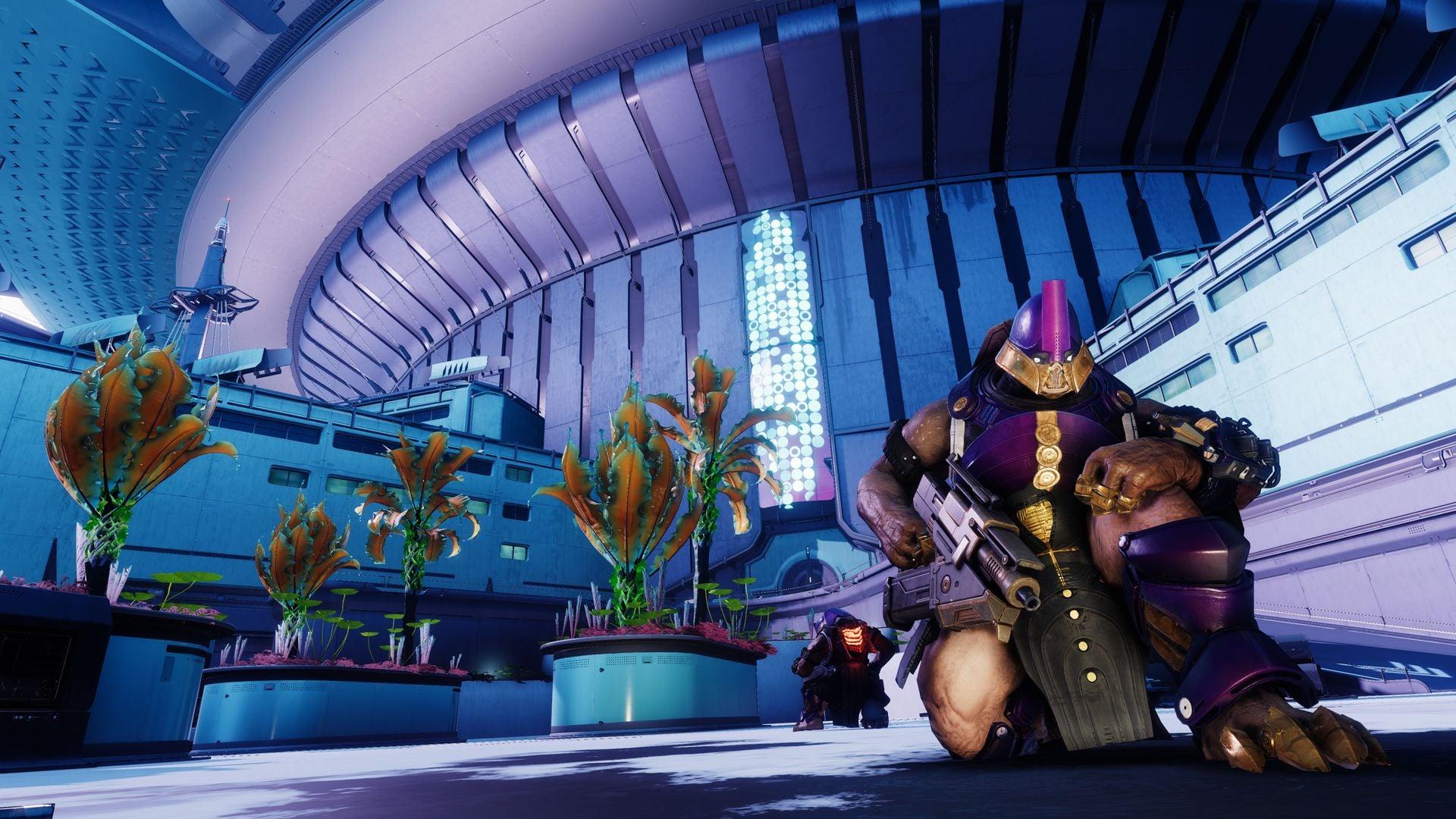
For the millions of Guardians who spent years defending humanity across Destiny's various expansions and seasons, the Destiny Infinity revelation adds a bittersweet dimension to the franchise's conclusion. There was apparently a version of events where the Light continued to shine, where new players could experience the magic of their first raid without needing a Wikipedia degree in Destiny lore, and where the Traveler's story found new life under a different banner.
Instead, Destiny joins the growing list of live service games that have reached their final sunset. The Destiny Infinity that never was serves as a reminder that in gaming, even the most beloved franchises are ultimately subject to the cold calculations of corporate mathematics. Sometimes, infinity turns out to have an end after all.