Valve Defends Loot Boxes Against New York Lawsuit, Compares Them to Pokémon Card Packs
11 MARCH, 2026 - Counter-Strike
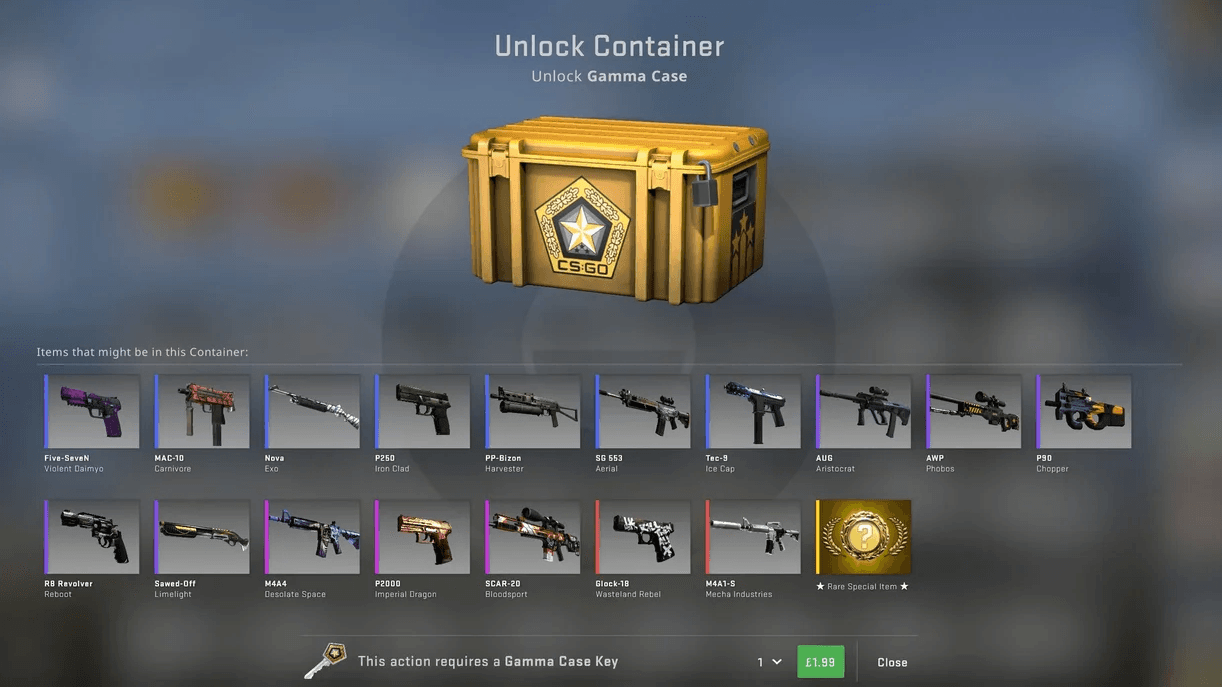
Image via Valve
Valve Corporation has fired back against a recent lawsuit filed by New York state, defending the controversial loot box mechanics in Counter-Strike 2 and drawing comparisons to real-world products like Pokémon trading card packs. The gaming giant expressed disappointment over the legal action while arguing that randomized reward systems are a widespread practice that extends far beyond the video game industry.
The lawsuit, filed by New York Attorney General Letitia James, alleges that Valve's implementation of loot boxes in Counter-Strike 2 constitutes illegal gambling, particularly when marketed to minors. The legal action specifically targets the company's weapon case system, where players spend real money on keys to unlock cases containing randomized cosmetic items of varying rarity and value.
In its official response, Valve pushed back forcefully against the characterization of its business practices. The company argued that loot boxes are widely used not just in video games but in the tangible world as well, pointing to collectible card games, mystery toy boxes, and other physical products that have operated under similar principles for decades without facing the same level of regulatory scrutiny.
The Pokémon comparison is particularly pointed. Valve's defense highlights that The Pokémon Company has sold randomized booster packs containing cards of vastly different values since 1996, creating a massive secondary market where rare cards regularly sell for thousands or even millions of dollars. Yet this business model has largely escaped the legal challenges now facing digital equivalents.
This argument strikes at the heart of an ongoing debate in gaming and regulatory circles. Critics of loot boxes have long maintained that digital implementations are fundamentally different from physical collectibles because they are specifically designed using sophisticated algorithms and psychological techniques to maximize spending. Proponents counter that the core mechanic of paying money for a randomized chance at valuable items remains identical regardless of whether the product is physical or digital.
The New York lawsuit represents one of the most significant legal challenges to loot box mechanics in the United States. While several countries, including Belgium and the Netherlands, have already classified certain loot box systems as gambling and banned them accordingly, American regulators have been slower to act. This case could potentially set a precedent that reverberates throughout the entire gaming industry.
Valve's Counter-Strike franchise has long been at the center of loot box controversies. The weapon skins contained in cases can be traded and sold on Steam's marketplace, with some rare items commanding prices in the tens of thousands of dollars. This creates a clear real-world value for the randomized items, which critics argue transforms what might otherwise be innocent cosmetic systems into something more closely resembling gambling.
The company has faced similar legal challenges before. In 2016, Valve was forced to crack down on third-party gambling sites that allowed users to bet Counter-Strike skins on esports matches and casino-style games. That situation drew significant media attention and regulatory interest, though Valve largely escaped direct consequences by arguing it was not responsible for the actions of external websites.
Industry observers note that Valve's defense strategy appears carefully crafted to appeal to common sense while avoiding the deeper psychological and ethical questions surrounding loot boxes. By comparing its practices to beloved franchises like Pokémon, the company positions itself alongside established, mainstream entertainment products rather than predatory gambling operations.
However, gaming addiction researchers and child advocacy groups are unlikely to be swayed by such arguments. Studies have consistently shown correlations between loot box spending and problem gambling behaviors, particularly among younger players. The digital nature of these transactions also makes it easier for minors to spend significant sums without parental oversight, unlike physical card shops where purchases require cash or a parent's credit card.
The timing of this lawsuit is notable given the broader regulatory environment. The Federal Trade Commission has been examining loot boxes for several years, and multiple states have considered legislation targeting the practice. A ruling against Valve in New York could embolden other jurisdictions to pursue similar actions.
For Valve, the stakes extend beyond Counter-Strike 2. The company's Steam platform hosts thousands of games featuring similar mechanics, and any legal precedent established here could affect its entire ecosystem. Additionally, Valve's own games like Dota 2 and Team Fortress 2 also feature randomized cosmetic systems that could face scrutiny.
The gaming community remains divided on the issue. Some players enjoy the excitement of opening cases and argue that adults should be free to spend their money as they choose. Others have shared stories of spending hundreds or thousands of dollars chasing rare items, describing experiences that mirror gambling addiction.
As this legal battle unfolds, it may ultimately force a broader reckoning with how the gaming industry monetizes its products. Whether Valve's comparison to Pokémon cards proves legally persuasive or falls flat could determine not just the fate of loot boxes, but the future relationship between gaming and gambling regulation in the United States.
The case is expected to proceed through the courts over the coming months, with both sides preparing for what promises to be a landmark confrontation over one of gaming's most controversial business practices.