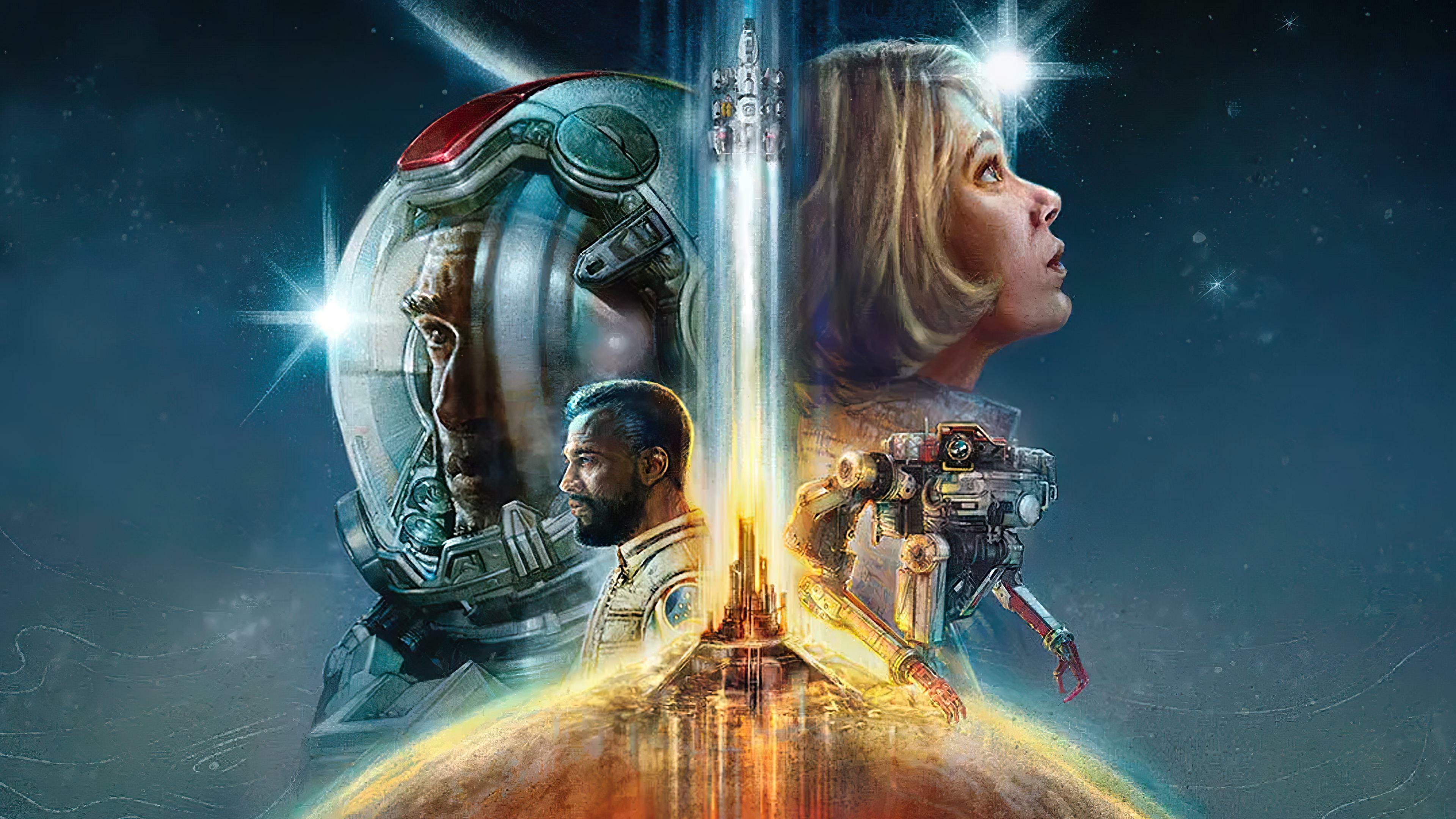
Starfield on Switch 2: A Bold Move That Could Redefine Portable Gaming
16 APRIL, 2026 - Starfield
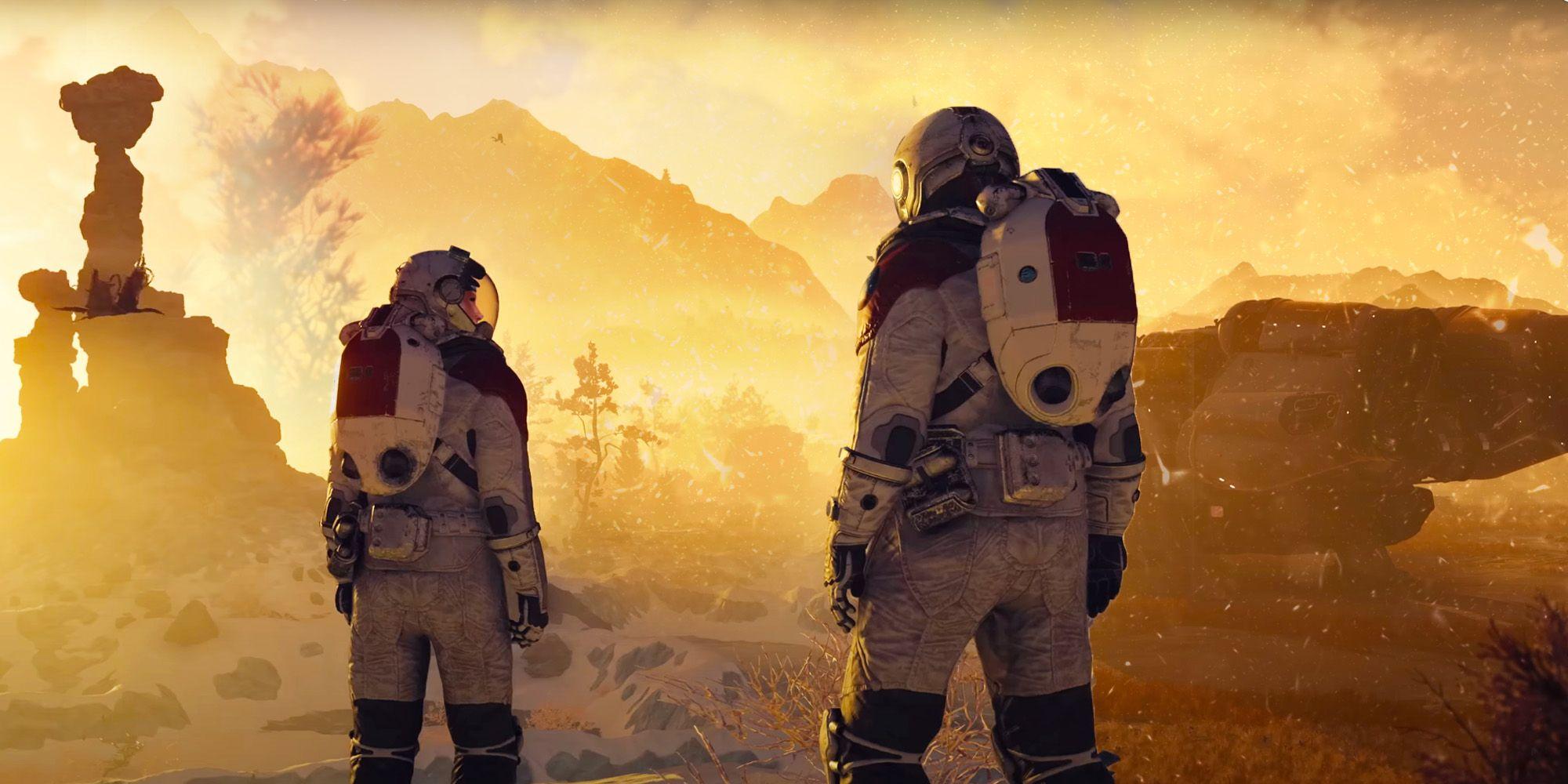
Image via Bethesda Game Studios
The gaming world was set ablaze this week with news that Starfield, Bethesda's ambitious space-faring RPG, has been rated for the Nintendo Switch 2. Multiple reports have surfaced pointing to official rating board listings, effectively confirming what many thought impossible: one of the most technically demanding games of the current generation is making its way to Nintendo's upcoming hybrid console. This development raises fascinating questions about the Switch 2's capabilities, Microsoft's evolving strategy, and what this means for the future of portable gaming.
The leak came through several international rating boards, which have a long history of accidentally revealing unannounced ports before publishers are ready to make official announcements. While neither Bethesda nor Nintendo has issued formal confirmation, the evidence appears overwhelming. Industry insiders have corroborated the ratings, suggesting that an announcement could come as early as the next Nintendo Direct presentation.
What makes this news particularly compelling is the timing. Starfield has faced persistent criticism regarding its performance on PlayStation 5, where reports indicate the game struggles to maintain stable frame rates and suffers from extended loading times. The irony is not lost on the gaming community: a title that cannot run smoothly on Sony's powerhouse console is apparently being prepared for a handheld device. This has sparked intense speculation about how Bethesda plans to achieve this technical feat.
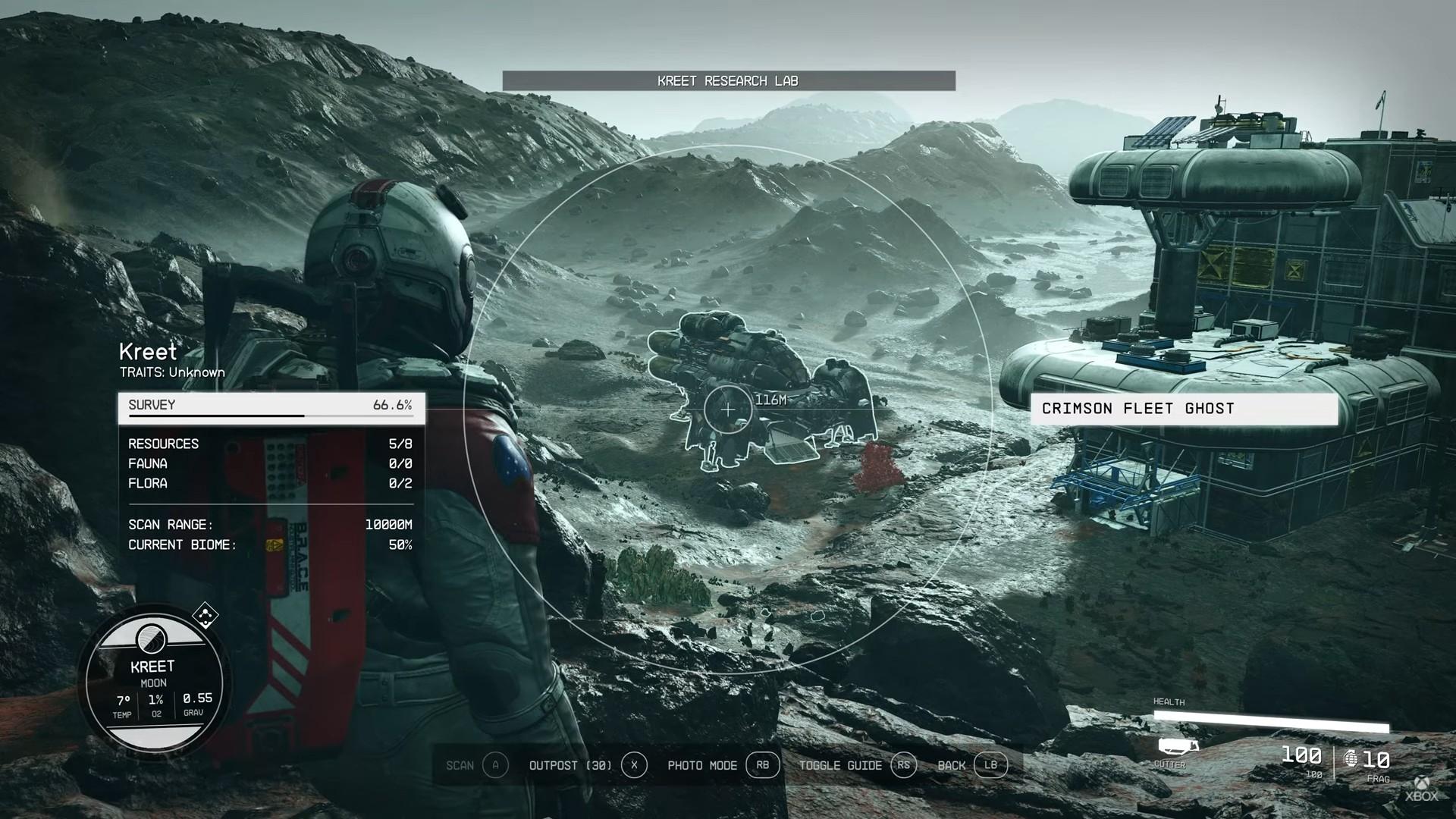
The most likely explanation involves cloud streaming technology, which Nintendo has utilized for several demanding titles on the original Switch, including Control and Hitman 3. However, rumors surrounding the Switch 2 suggest significantly improved hardware that might make a native port feasible, albeit with visual compromises. The console is reportedly powered by a custom Nvidia chip that could deliver performance comparable to the PlayStation 4 Pro when docked, making a heavily optimized native version theoretically possible.
Microsoft's willingness to bring one of their flagship exclusives to a competing platform represents a continuation of their multiplatform strategy that began gaining momentum in recent years. Following the Activision Blizzard acquisition and subsequent regulatory scrutiny, Microsoft has demonstrated an increasing openness to placing their first-party titles on rival hardware. Starfield on Switch 2 would be the most dramatic example yet, potentially signaling that no Xbox exclusive is truly off the table for Nintendo's ecosystem.
For Nintendo, securing Starfield represents a major coup that addresses one of the Switch's most persistent criticisms: the lack of major third-party AAA titles. While the original Switch found massive success with Nintendo's first-party offerings and indie games, it frequently missed out on blockbuster releases due to hardware limitations. Having Starfield available at or near launch would send a powerful message that the Switch 2 is a serious contender for mature, content-rich experiences traditionally reserved for PlayStation and Xbox.
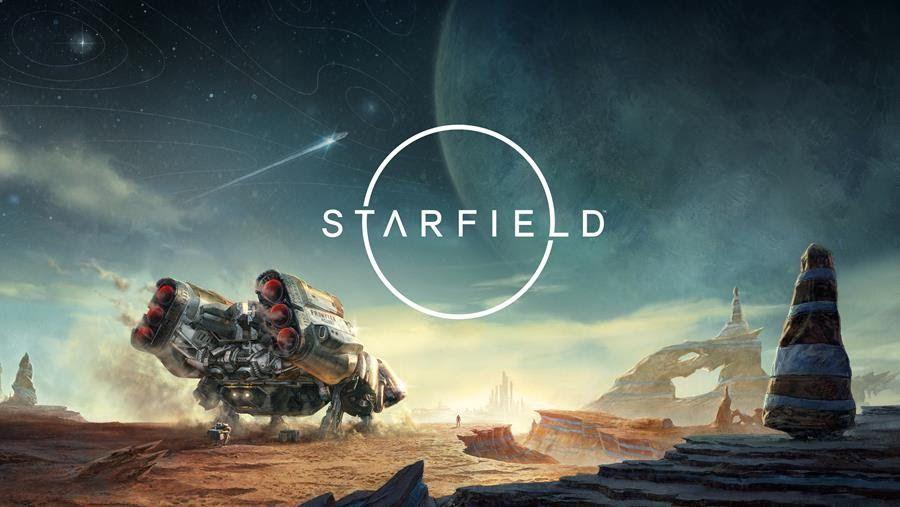
The gaming community's reaction has been predictably mixed. Skeptics point to Starfield's rocky technical history and question whether any portable device could deliver an acceptable experience. The game's vast procedurally generated universe, featuring over one thousand explorable planets, requires substantial processing power and memory bandwidth. Even on high-end PCs, Starfield demands significant resources to run at its best.
Supporters counter that Bethesda has a strong track record of impossible ports, citing the remarkable Switch versions of Doom Eternal and Wolfenstein II: The New Colossus. Panic Button, the studio behind many of these technical achievements, could potentially be involved in the Switch 2 version, though this remains speculation at this point.
Perhaps most intriguing is what this port could mean for Starfield's reception. The game received a mixed critical response at launch, with many praising its scope and ambition while criticizing its repetitive gameplay loops and empty environments. A Switch 2 version might benefit from post-launch updates and expansions that have addressed some of these concerns. Additionally, the portable format could prove surprisingly well-suited to Starfield's structure of shorter exploration sessions and frequent fast-traveling.
The business implications extend beyond a single title. If Starfield succeeds on Switch 2, it opens the door for other Microsoft franchises to follow. Elder Scrolls VI, whenever it eventually releases, could launch simultaneously across all platforms. The same applies to future Bethesda projects and potentially even Halo or Gears of War titles. Nintendo would transform from a competitor operating in a separate space to a genuine partner in Microsoft's gaming ecosystem.
As we await official confirmation, one thing is certain: the Switch 2 is shaping up to be far more than a modest upgrade to its predecessor. Between this Starfield revelation and other rumored third-party support, Nintendo appears poised to compete directly with Sony and Microsoft in ways the original Switch never could. Whether Starfield can actually deliver on this promise remains to be seen, but the mere possibility has already generated more excitement than most confirmed announcements. In an industry often criticized for playing it safe, this is exactly the kind of bold, unexpected move that keeps gaming fascinating.