The Last of Us Multiplayer Game Was 80% Complete When Sony Pulled the Plug, Former Director Reveals
3 APRIL, 2026 - The Last of Us Part II
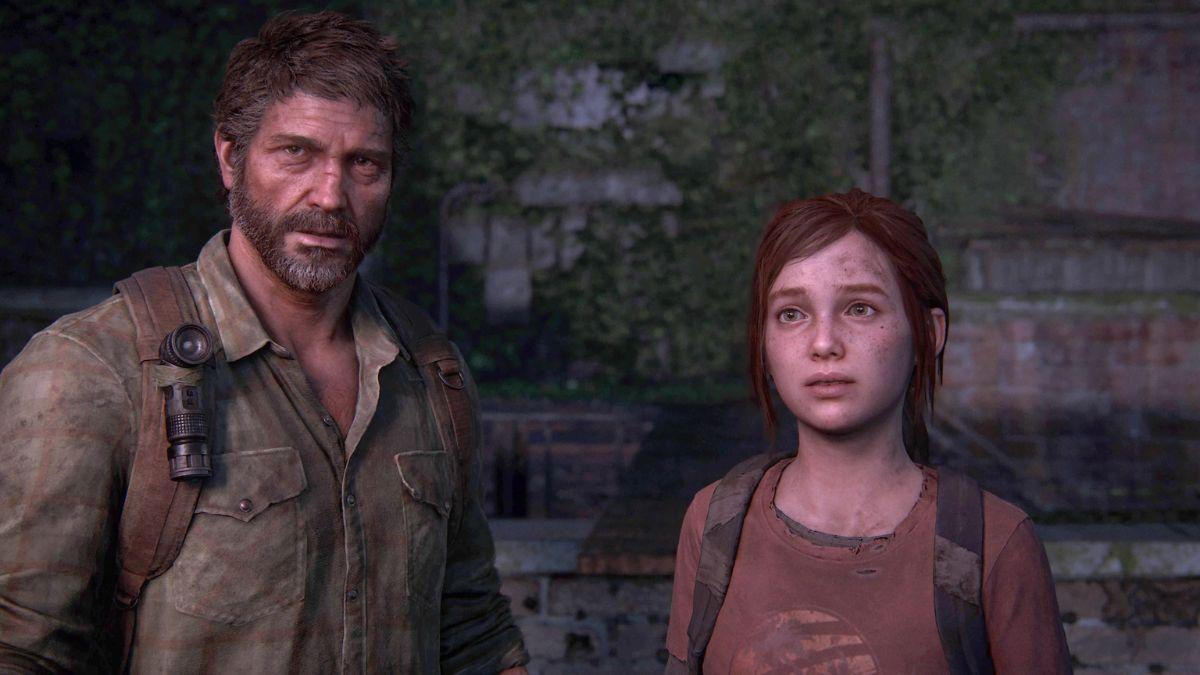
Image via Naughty Dog
In what might be one of the most heartbreaking revelations to emerge from the gaming industry this year, a former director at Naughty Dog has claimed that the highly anticipated multiplayer companion to The Last of Us was approximately 80% complete when Sony made the difficult decision to cancel the project. The news has sent shockwaves through the gaming community, reigniting discussions about what could have been one of the most ambitious multiplayer experiences ever conceived.
The Last of Us multiplayer project, which fans had been eagerly awaiting since its initial announcement, represented Naughty Dog's most significant venture into the live-service space. Built upon the foundation of the beloved Factions mode from the original game, this standalone multiplayer experience was positioned to deliver a massive, post-apocalyptic playground where players could experience the brutal world of The Last of Us alongside friends and strangers alike.
Years of Development, Suddenly Silenced
According to the former director's claims, the project had been in active development for years, with a substantial team dedicated to bringing this ambitious vision to life. The revelation that the game had reached roughly 80% completion makes its cancellation all the more painful for fans who had been following every breadcrumb of information about the project. This wasn't a concept that fizzled out in pre-production or a prototype that failed to find its footing. This was a nearly complete product that Sony ultimately deemed unsuitable for release.
The cancellation was officially announced in late 2023, with Naughty Dog co-president Neil Druckmann explaining that the project no longer aligned with Sony's evolving strategy. At the time, the studio cited the rapidly changing landscape of live-service games and the immense resources required to maintain such a title over multiple years as primary factors in the decision. However, knowing now just how close the game was to completion adds a new layer of complexity to that narrative.
What Could Have Been
Details about the cancelled multiplayer experience have emerged sporadically over the years, painting a picture of an incredibly ambitious project. Reports suggested the game would feature a massive open-world environment, faction-based gameplay, and the same meticulous attention to detail that has defined Naughty Dog's single-player experiences. The original Factions mode in The Last of Us remains a cult favorite among multiplayer enthusiasts, praised for its tense, tactical gameplay that perfectly captured the survival themes of the main game.
This standalone successor was reportedly aiming even higher, with plans for extensive post-launch support, seasonal content updates, and a scale that would dwarf anything Naughty Dog had previously attempted. Concept art that leaked before the cancellation showed dense urban environments, diverse character customization options, and what appeared to be vehicle gameplay. The scope was genuinely impressive, which makes the cancellation feel like a significant loss for the medium.
The Broader Context of Sony's Live-Service Strategy
The Last of Us multiplayer cancellation didn't occur in isolation. Sony has been reassessing its live-service ambitions following mixed results across the industry. The company had previously announced plans to release multiple live-service titles, but the volatile nature of this market segment has clearly prompted a more cautious approach. Games like Destiny 2 and Fortnite have demonstrated the potential rewards of successful live-service models, but countless other titles have failed to maintain player engagement, resulting in expensive failures.
For Sony, the calculation seemingly came down to risk versus reward. Even at 80% completion, the remaining development costs combined with the ongoing investment required to support a live-service title post-launch represented a substantial financial commitment. In an era where even established live-service games struggle to retain players, launching a new contender in an increasingly crowded market carried significant uncertainty.
Fan Reaction and Industry Implications
The gaming community's response to this latest revelation has been predictably passionate. Social media platforms have been flooded with expressions of disappointment, with many fans questioning whether Sony made the right call. Some have pointed out that 80% completion represents an enormous sunk cost, making the decision to cancel seem particularly wasteful. Others have defended Sony's pragmatism, arguing that releasing an underperforming live-service game could have damaged both the studio's reputation and the franchise's legacy.
This situation also raises broader questions about transparency in game development. Players have increasingly demanded more insight into the creative process, and revelations like this highlight the often turbulent journey games take from concept to completion. The industry is littered with cancelled projects, but few reach such an advanced stage before being shelved.
Looking Forward
While The Last of Us multiplayer may never see the light of day in its intended form, Naughty Dog continues to work on new projects. The studio's next single-player endeavor remains shrouded in mystery, though speculation suggests it could involve either a new intellectual property or another entry in one of their established franchises. Meanwhile, the assets, technology, and lessons learned from the cancelled multiplayer project may yet find their way into future Naughty Dog titles in some capacity.
For now, fans are left to wonder what might have been, holding onto hope that perhaps someday, in some form, they'll get to experience the multiplayer vision that came so tantalizingly close to reality.