Slay the Spire 2 Shatters Expectations with 3 Million Sales in One Week Despite Game-Breaking Exploit
15 MARCH, 2026 - Slay the Spire 2
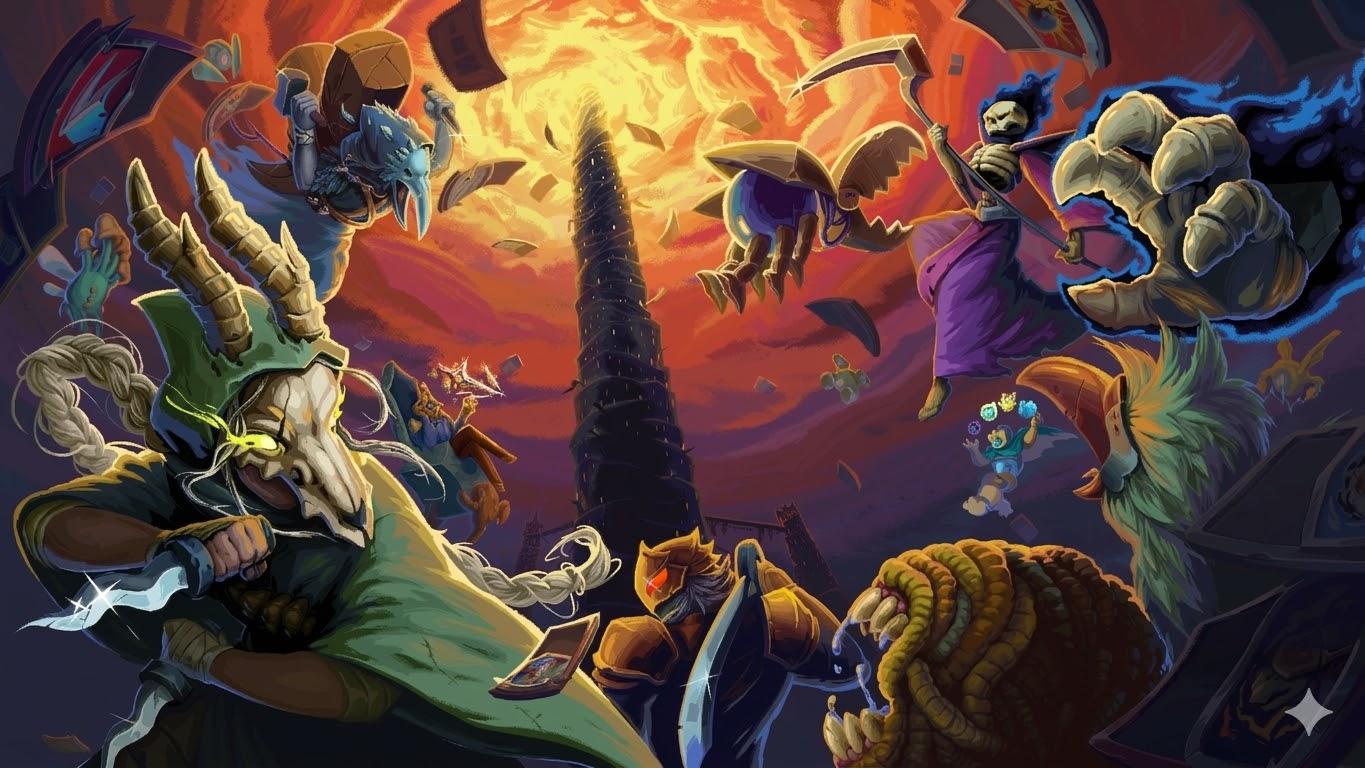
Image via Mega Crit Games
The roguelike deckbuilding genre has a new king, and its coronation came faster than anyone anticipated. Slay the Spire 2 launched into Early Access just one week ago, and developer Mega Crit Games has already announced sales figures that would make most fully released titles envious. Three million copies sold in seven days represents not just a commercial triumph, but a validation of everything that made the original game a genre-defining masterpiece.
What makes this achievement even more remarkable is the context surrounding it. The game launched with what can only be described as one of the most absurd exploits in recent memory, allowing players to accumulate over one billion hit points through a specific combination of cards and relics. Rather than dampening enthusiasm, this discovery seemed to fuel the community's excitement, with players racing to break the game in increasingly creative ways while Mega Crit worked on a fix.
The original Slay the Spire, released in 2019, essentially created the roguelike deckbuilder template that dozens of games have since attempted to replicate. From Monster Train to Inscryption, the fingerprints of Mega Crit's original vision can be found throughout the indie gaming landscape. That first game sold over seven million copies across all platforms, a figure that seemed insurmountable for a sequel launching exclusively on PC in Early Access. Yet here we are, watching the sequel devour nearly half that total in its opening week alone.
Industry analysts have pointed to several factors driving this unprecedented success. The six-year gap between releases allowed anticipation to build to a fever pitch, while the original game continued finding new audiences through sales, streaming, and word of mouth. The deckbuilding roguelike genre has exploded in popularity during that timeframe, with each new entry in the space essentially serving as an advertisement for the game that started it all.
The Early Access model, which some publishers have begun treating with skepticism, appears perfectly suited to this type of release. Roguelikes thrive on iteration, balance adjustments, and community feedback. Players understand that they are purchasing an unfinished product, and the transparency around this arrangement has fostered goodwill rather than resentment. When Mega Crit announced they would patch out the billion HP exploit, the response was largely positive, with players appreciating both the humor of the situation and the developer's commitment to maintaining game integrity.
This brings us to the exploit itself, which deserves examination beyond its headline-grabbing absurdity. In roguelike deckbuilders, finding powerful combinations is part of the core appeal. The line between a clever synergy and a game-breaking exploit often comes down to developer intent. The billion HP situation emerged from interactions the developers clearly did not anticipate, creating a scenario where players could become functionally immortal and deal damage numbers that exceeded the display capabilities of the game's interface.
Some purists argued that patching such exploits removes part of what makes these games special. The thrill of discovery, the satisfaction of breaking intended mechanics, these elements have been part of gaming culture since the earliest days of the medium. Mega Crit appears to be taking a measured approach, addressing the most egregious issues while preserving the potential for creative deck construction that defines the genre.
The sales figures also raise interesting questions about the current state of the gaming industry. While major publishers struggle with layoffs, studio closures, and disappointing returns on hundred-million-dollar investments, a small independent developer has just demonstrated that focused design and patient development can yield extraordinary results. Slay the Spire 2 did not require a marketing budget rivaling a Hollywood blockbuster or a development team numbering in the thousands. It required a clear vision, mechanical excellence, and respect for the audience.
Looking ahead, Mega Crit faces the challenge of managing expectations while continuing to develop the game through its Early Access period. Three million players represent three million sets of opinions about what should change, what should stay, and what direction the game should take. The original Slay the Spire spent approximately two years in Early Access before its full release, during which time it underwent substantial evolution based on player feedback.
The gaming landscape has shifted considerably since 2019. Competition in the roguelike deckbuilding space has intensified, player expectations have risen, and the discourse around Early Access games has become more nuanced. Mega Crit must now navigate these waters while honoring the legacy of the original and delivering on the promise of the sequel.
For now, though, celebration seems appropriate. Three million sales in one week represents a remarkable achievement for any game, let alone an Early Access title from an independent studio. The billion HP exploit will be patched, new content will be added, and the community will continue finding creative ways to push the game to its limits. That is precisely what makes this genre special, and precisely why Slay the Spire 2 has already claimed its place among the most successful releases of the year.