Assassin's Creed Black Flag Resynced Hits 2 Million Sales on Day One, But Negative Reviews Tell a Different Story
11 JULY, 2026 - Assassin's Creed Back Flag Resynced
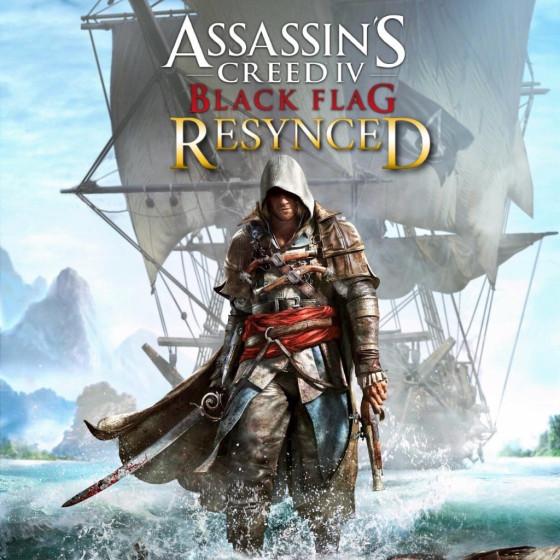
Image via Ubisoft
Ubisoft is celebrating what appears to be a triumphant return for one of its most beloved franchises, announcing that Assassin's Creed Black Flag Resynced has sold an impressive two million copies within its first 24 hours of availability. The remastered version of the 2013 pirate adventure has clearly struck a chord with nostalgic fans eager to sail the Caribbean once more. However, beneath the surface of these blockbuster numbers lies a growing storm of controversy that threatens to overshadow what should have been a straightforward victory lap for the publisher.
The original Assassin's Creed IV: Black Flag remains one of the most celebrated entries in Ubisoft's long-running historical action series. Players fell in love with protagonist Edward Kenway, the roguish privateer-turned-assassin whose journey through the Golden Age of Piracy offered a refreshing departure from the more serious tone of previous installments. The game's naval combat was revolutionary for its time, and the freedom to explore a vast open world of islands, shipwrecks, and colonial settlements captured the imagination of millions. It's no surprise that a remastered version would generate significant interest.
Yet within hours of Resynced's launch, Steam reviews began painting a troubling picture that stands in stark contrast to the celebratory sales figures. Players have been flooding the platform with negative assessments, and the complaints center on a familiar villain in modern gaming: microtransactions. According to numerous user reviews, Black Flag Resynced features an expanded in-game store that goes well beyond what was present in the original release, with many feeling that the monetization has become intrusive and excessive.
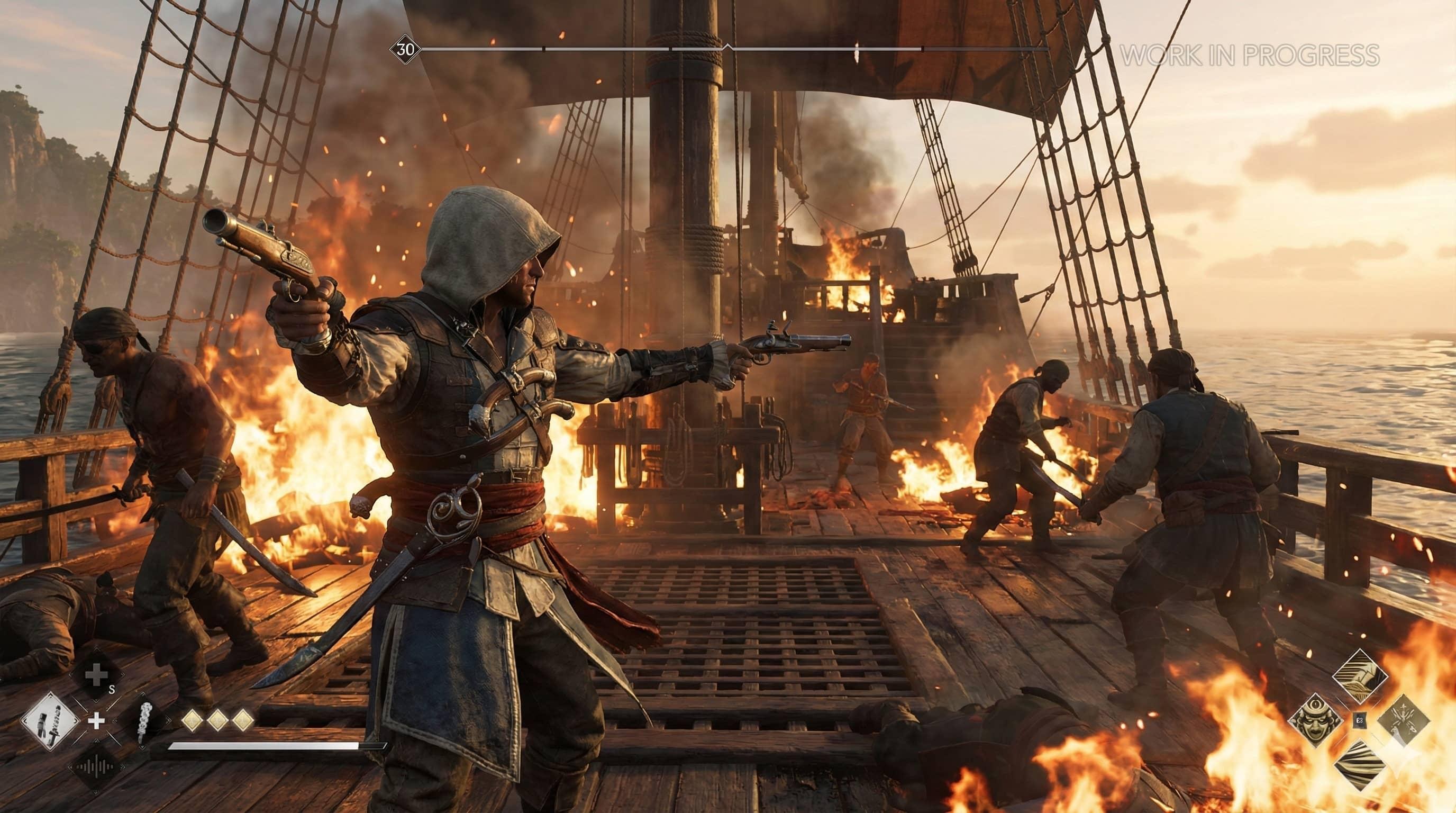
Ubisoft has responded to the backlash by insisting that Assassin's Creed Black Flag Resynced represents the full, complete experience that players remember. Company representatives have emphasized that all story content, gameplay features, and progression systems remain intact and accessible without additional purchases. The microtransactions, according to Ubisoft, are entirely optional and do not impact the core gaming experience. This defense has done little to quell the growing discontent among the player base.
The controversy highlights an ongoing tension in the gaming industry between publishers seeking additional revenue streams and players who feel increasingly nickel-and-dimed by practices that have become standard in modern releases. For many who purchased Resynced, the expectation was a visually enhanced version of a game they already loved, not a reimagined storefront wrapped in a fresh coat of paint. The negative reviews suggest that even optional monetization can fundamentally alter the perception of a gaming experience, particularly when it involves a beloved classic.
What makes this situation particularly frustrating for fans is the timing. Just last week, EA announced plans to remove paid progression options from EA Sports College Football 27 following similar community backlash. That decision was widely praised as a sign that publishers were finally listening to player feedback. The juxtaposition of EA retreating from aggressive monetization while Ubisoft appears to be doubling down on it has not gone unnoticed by the gaming community.
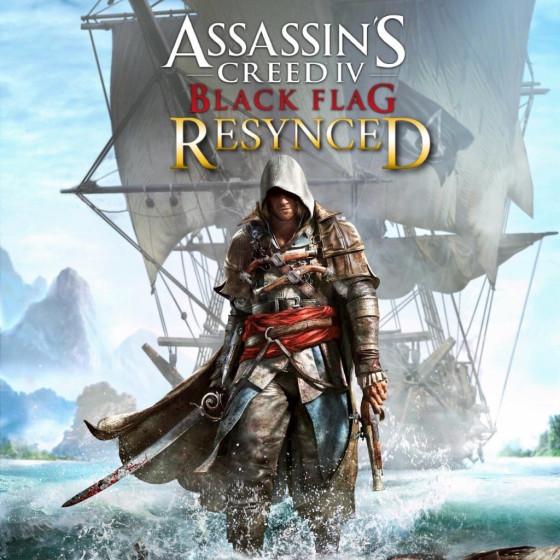
The two million day-one sales figure presents an interesting paradox. On one hand, it demonstrates that there remains enormous appetite for quality remasters of beloved titles. On the other hand, the negative review bombing suggests that sales numbers alone don't tell the complete story of a game's reception. Many of those two million purchasers may have bought the game based on fond memories of the original, only to discover the changes after the fact. The question now becomes whether Ubisoft will see sustained sales in the coming weeks or if word-of-mouth will dampen enthusiasm.
This isn't the first time Ubisoft has faced criticism over monetization practices, and it likely won't be the last. The publisher has long walked a delicate line between maximizing revenue and maintaining player goodwill. With Black Flag Resynced, that balance appears to have tipped in the wrong direction for many consumers. The irony is that a remaster offered the perfect opportunity to win back players who had grown skeptical of Ubisoft's recent direction. Instead, it may have reinforced their concerns.
Looking ahead, the coming days and weeks will be crucial in determining how this story unfolds. Will Ubisoft follow EA's example and scale back the monetization in response to feedback? Or will the company stand firm, pointing to those impressive sales numbers as validation of its approach? The gaming community will be watching closely, and the outcome could have implications beyond just this single release.
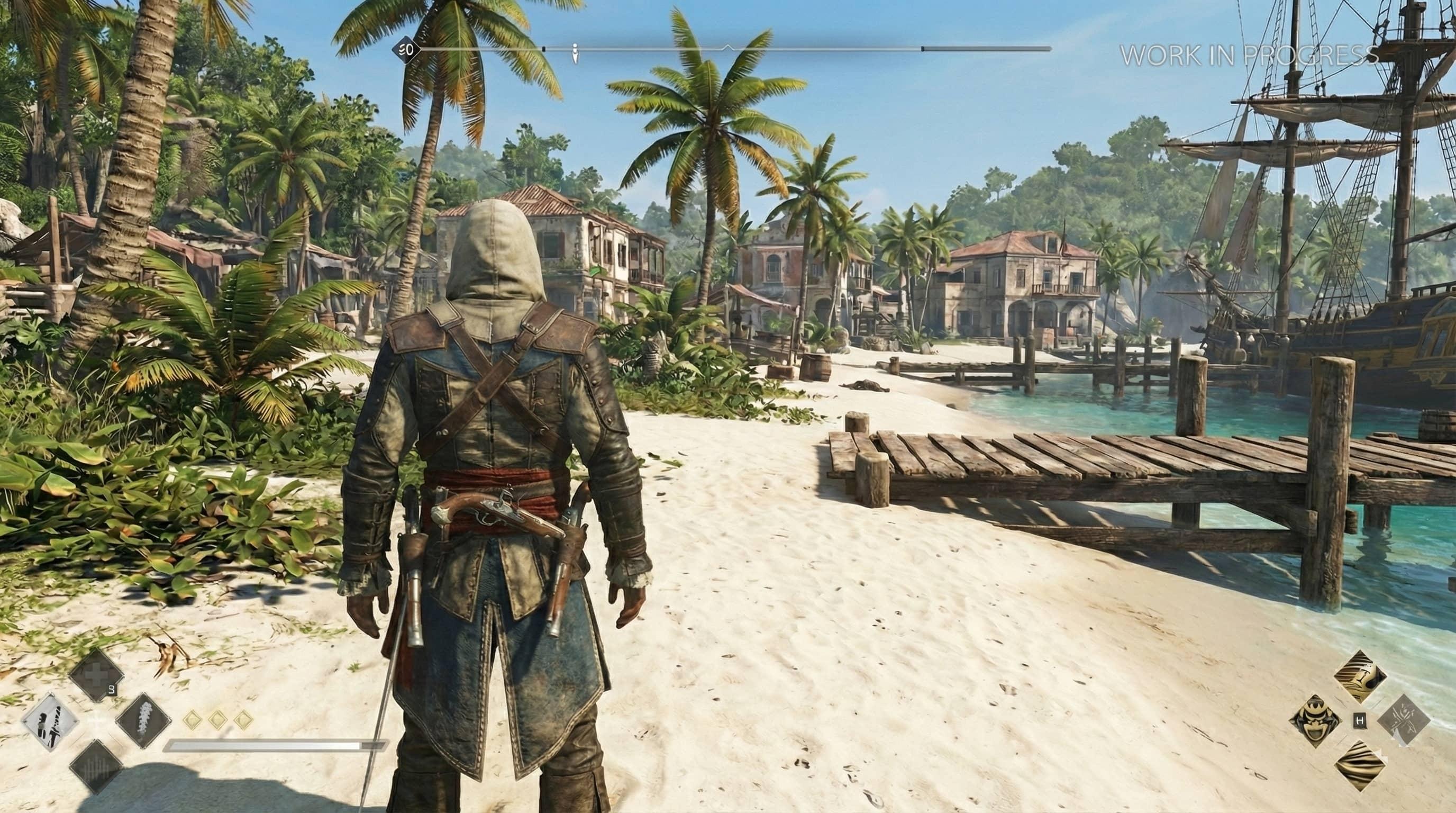
For now, Assassin's Creed Black Flag Resynced stands as a reminder that nostalgia is a powerful force, but it has its limits. Players want to revisit the games they loved, but they want to revisit them as they remember them, not as vehicles for additional spending. Whether the industry learns this lesson remains to be seen, but the message from players could not be clearer. Two million sales is an undeniable success, but the negative reviews suggest that success may be more complicated than it appears.