Alien: Isolation 2 Remembers What Made The First Game Great — And That's Exactly What Fans Needed to Hear
10 JUNE, 2026 - Alien: Isolation
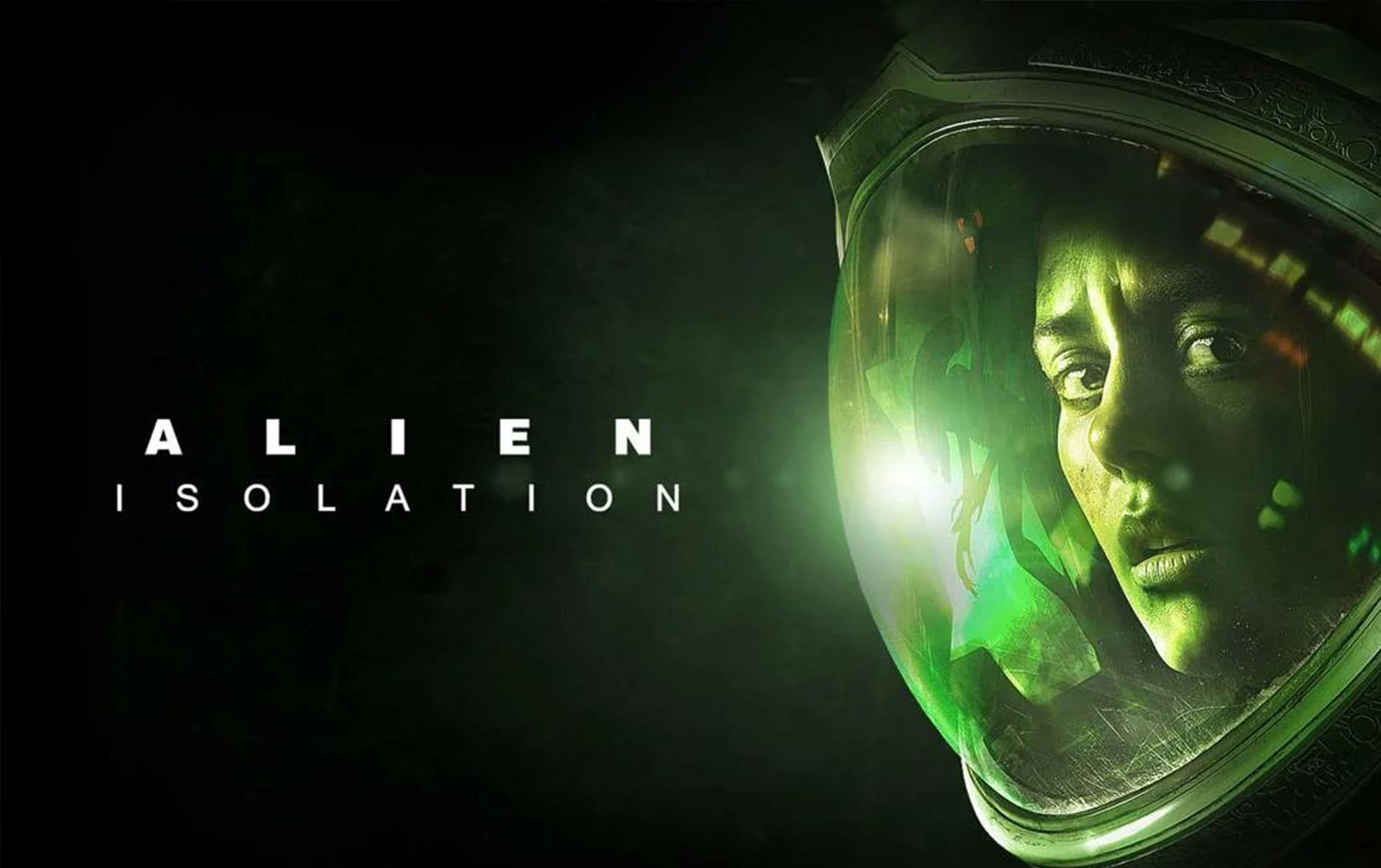
Image via Creative Assembly
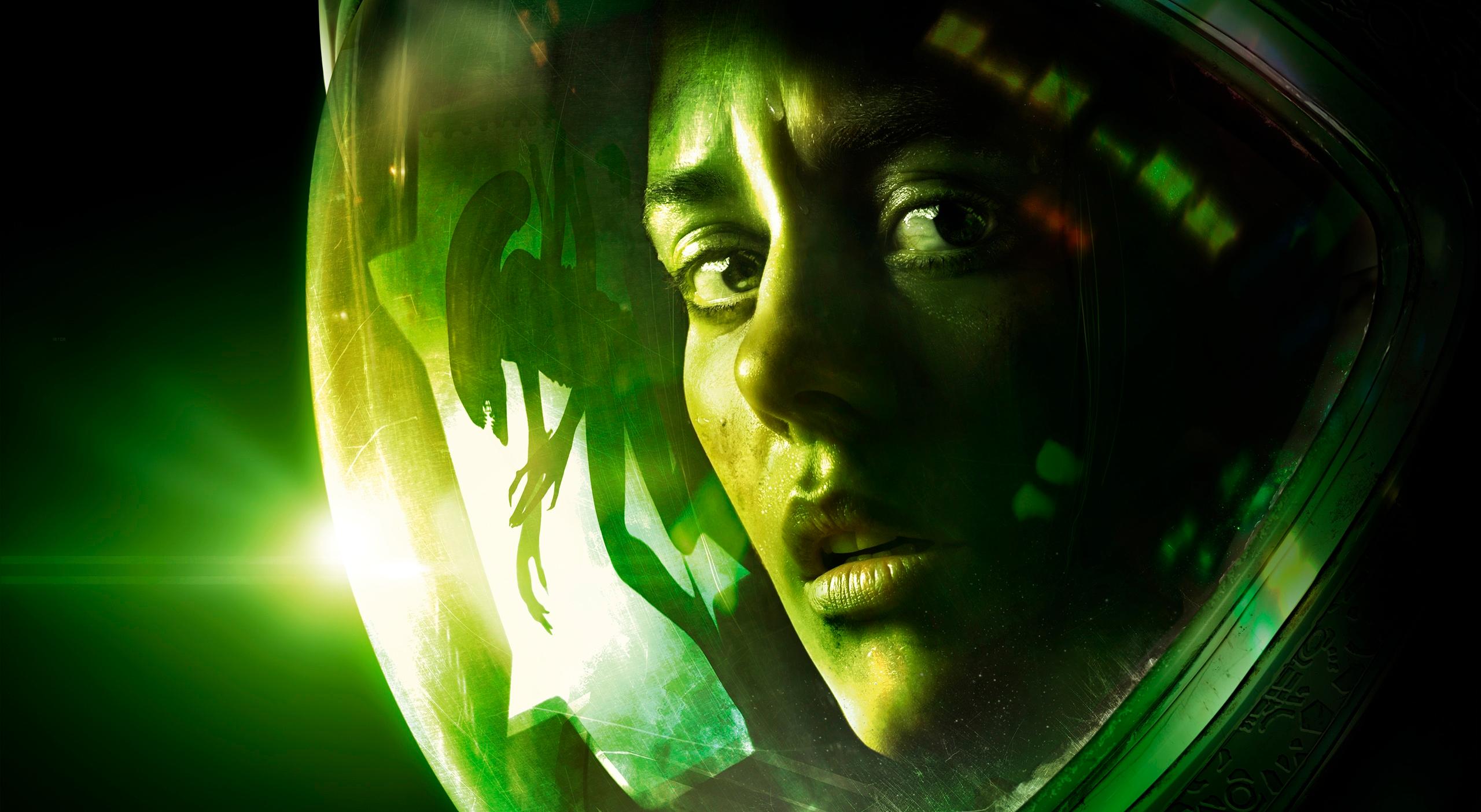
More than a decade after Creative Assembly delivered one of the most terrifying survival horror experiences in gaming history, the long-awaited sequel to Alien: Isolation is finally becoming a reality. After years of speculation, false hopes, and passionate fan campaigns, hands-on impressions from Summer Game Fest 2025 have confirmed what many dared to dream: Alien: Isolation 2 understands its legacy and appears committed to honoring it.
The original Alien: Isolation launched in 2014 to a complicated reception. Critics were divided on its punishing difficulty and deliberately slow pace, but players who connected with its vision found something extraordinary. Here was a game that finally captured the essence of Ridley Scott's 1979 masterpiece — not the action-heavy Colonial Marines fantasy, but the claustrophobic, sweat-inducing terror of being hunted by a perfect organism in the cold vacuum of space. Over the years, the game's reputation has only grown, transforming it from a cult classic into a genuine touchstone of the horror genre.
Now, with hands-on previews emerging from the show floor, we're getting our first real sense of what Creative Assembly has been crafting in secret. The verdict so far is remarkably encouraging: the development team hasn't forgotten what made their original vision so special, even as they work to expand and refine the formula for a new generation of players.
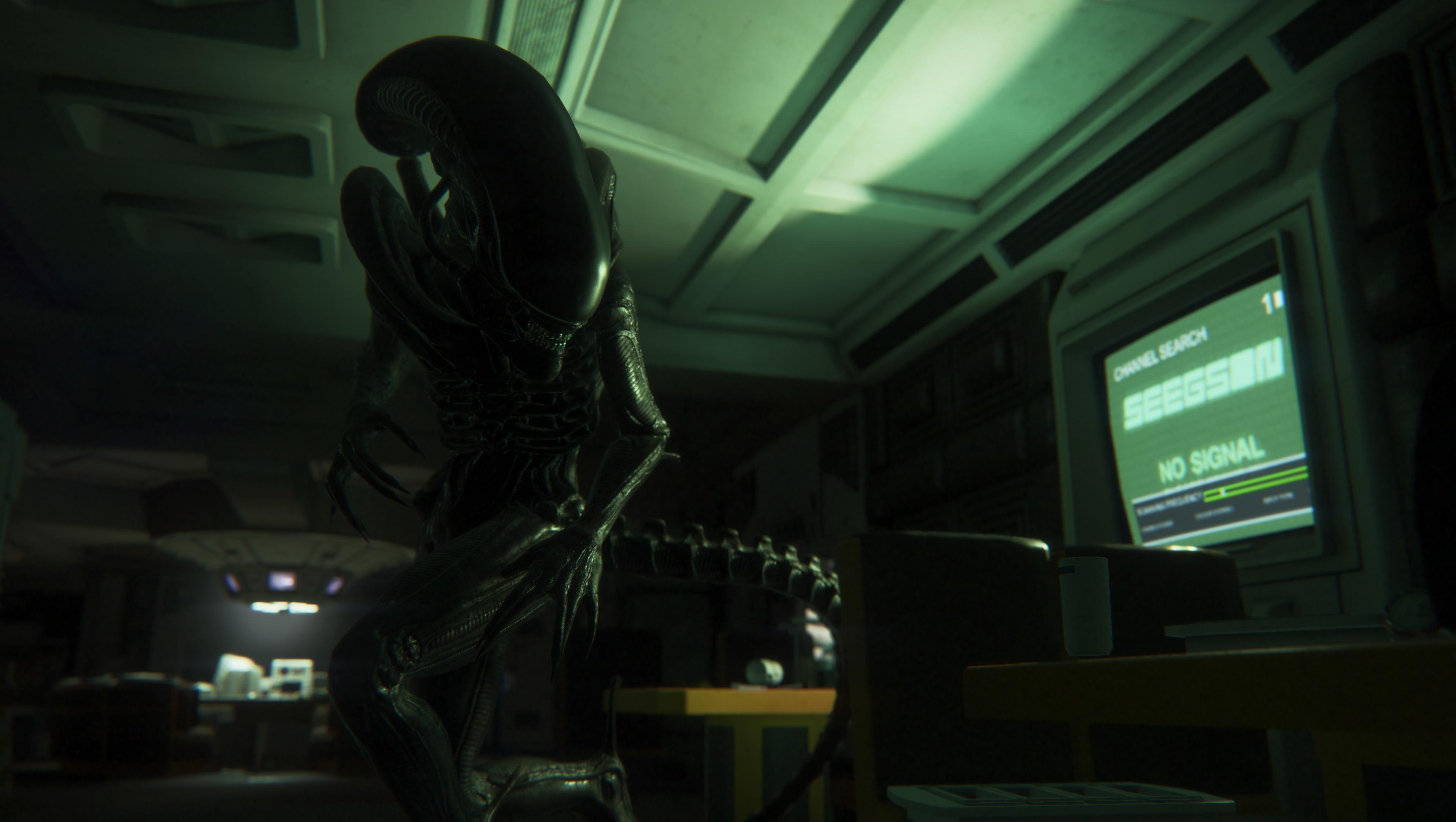
The demo showcased at Summer Game Fest reportedly drops players into a new setting that maintains the retro-futuristic aesthetic that defined the first game. That distinctive analog technology — all chunky keyboards, CRT monitors, and tape-driven computers — remains intact, preserving the visual language that made Sevastopol Station feel like a natural extension of the original film's world. This commitment to aesthetic continuity might seem like a small detail, but it speaks to a larger philosophy: Creative Assembly understands that Alien: Isolation's power came from its unwavering dedication to atmosphere.
Sound design, arguably the most crucial element of any horror experience, has reportedly received significant attention. Previews describe an audio landscape that builds upon the first game's Oscar-worthy sound work, with every distant clang, hissing vent, and heavy footstep designed to keep players in a constant state of unease. The Xenomorph's presence is felt long before it's seen, a psychological trick that the original game mastered and the sequel appears eager to refine.
Perhaps most importantly, the artificial intelligence driving the alien creature seems to have evolved while maintaining its fundamental unpredictability. The original game's Xenomorph was revolutionary precisely because it couldn't be memorized or exploited. It learned from player behavior, adapted to strategies, and never followed predetermined patrol routes. Early impressions suggest that Alien: Isolation 2 has built upon this foundation, creating an adversary that feels even more alive and terrifying than before.
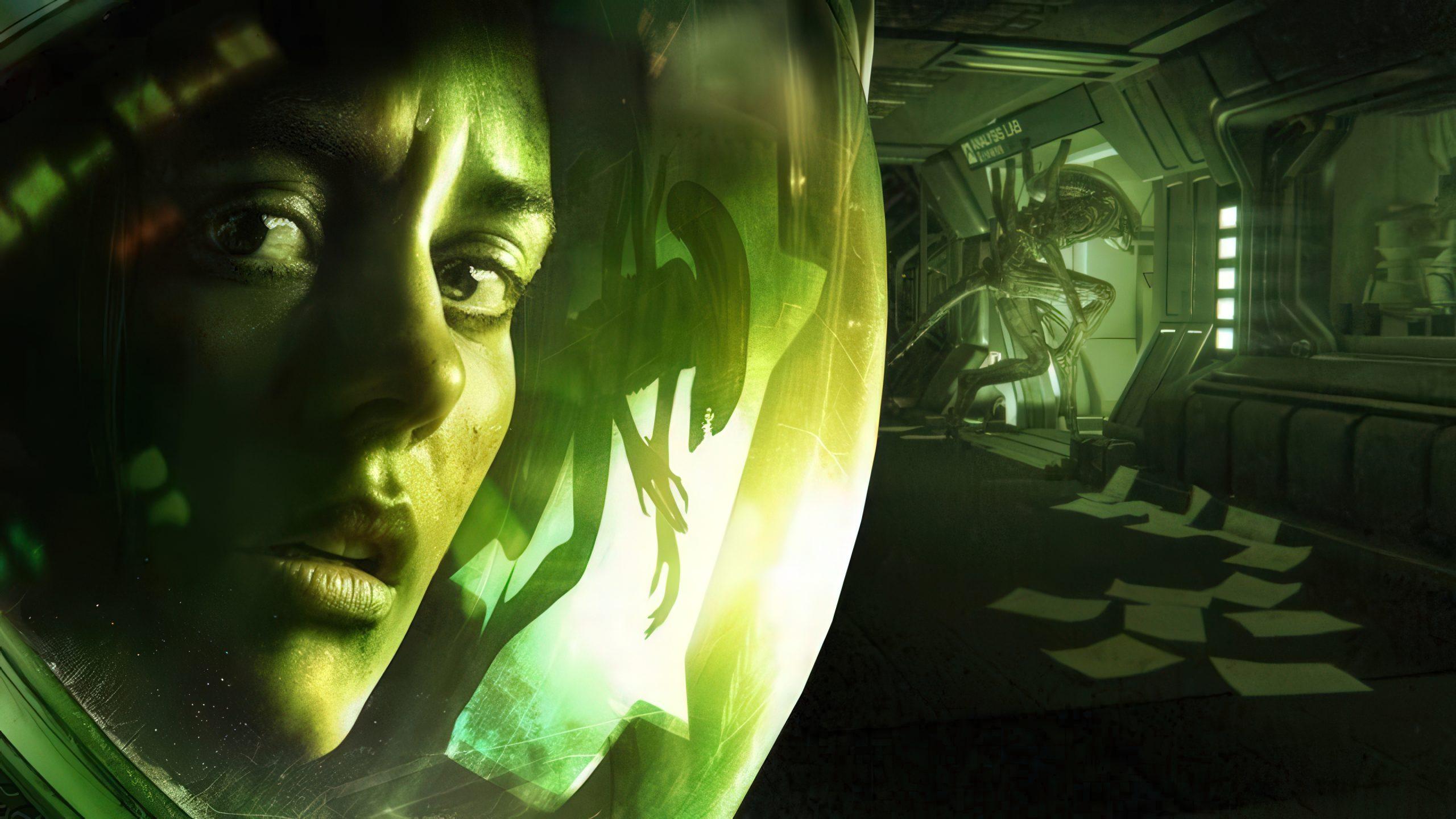
The hands-on experience also revealed subtle improvements to player agency and movement. While the first game occasionally frustrated players with its deliberately limited mobility, the sequel appears to offer slightly more flexibility without sacrificing vulnerability. This is a delicate balance — too much power and the horror dissipates; too little and frustration sets in. Based on initial reactions, Creative Assembly seems to be threading this needle with care.
What remains unclear is how the narrative will connect to Amanda Ripley's story from the first game. The original's protagonist — daughter of Ellen Ripley — provided an emotional anchor that tied the game beautifully to the film franchise's mythology. Whether she returns or whether the sequel introduces new characters in the same universe is still being kept under wraps, likely to preserve story surprises for the full release.
The timing of this sequel feels particularly significant. Horror gaming has experienced a renaissance in recent years, with titles like Resident Evil Village, Dead Space's remake, and indie darlings like Amnesia: The Bunker proving that players have an enormous appetite for quality scares. Yet few games have attempted the specific brand of sustained, methodical terror that Alien: Isolation perfected. The market is ready for this sequel in a way it perhaps wasn't ready for the original.
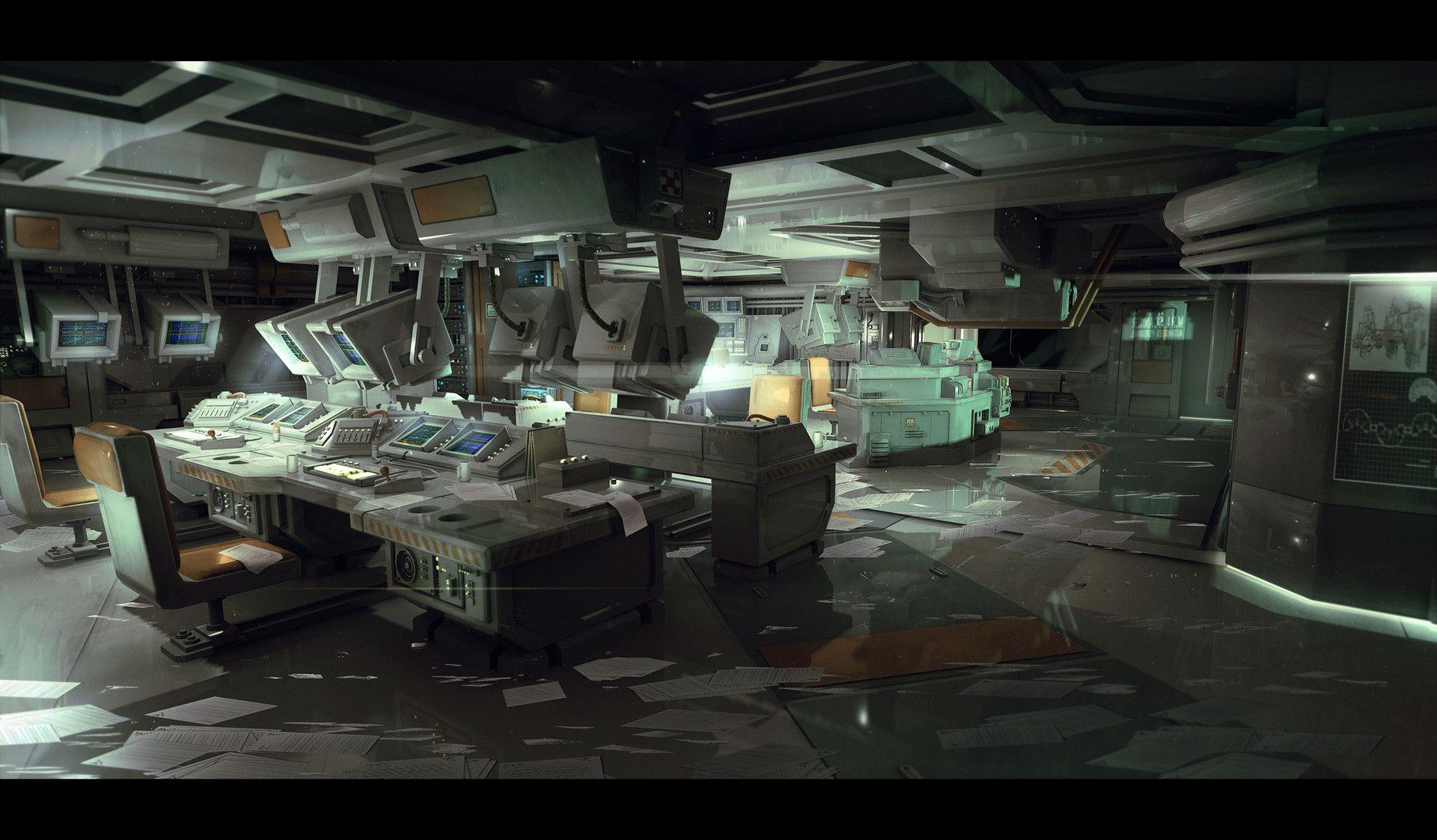
There's also the matter of technology. The first game was already a visual showcase in 2014, but modern hardware capabilities open new possibilities for lighting, particle effects, and environmental detail that could make hiding in lockers and crawling through vents even more immersive — and terrifying.
For fans who spent years wondering if this day would ever come, the early hands-on impressions represent validation. Creative Assembly could have chased trends, added unnecessary action sequences, or implemented fashionable multiplayer modes. Instead, they appear to have asked a simple question: what made people fall in love with Alien: Isolation in the first place? The answer — meticulous atmosphere, intelligent enemy design, and respect for the source material — seems to be guiding every decision.
We'll have to wait for the full release to know whether Alien: Isolation 2 can truly match its predecessor's legendary status. But for now, the signs are pointing in exactly the right direction. In space, no one can hear you scream — but on the show floor at Summer Game Fest, plenty of people heard the sighs of relief from fans finally getting the sequel they deserve.